• Slide title

    Living in the Future First: Will.i.am on Dreaming, Building, and Becoming

    Button
  • Slide title

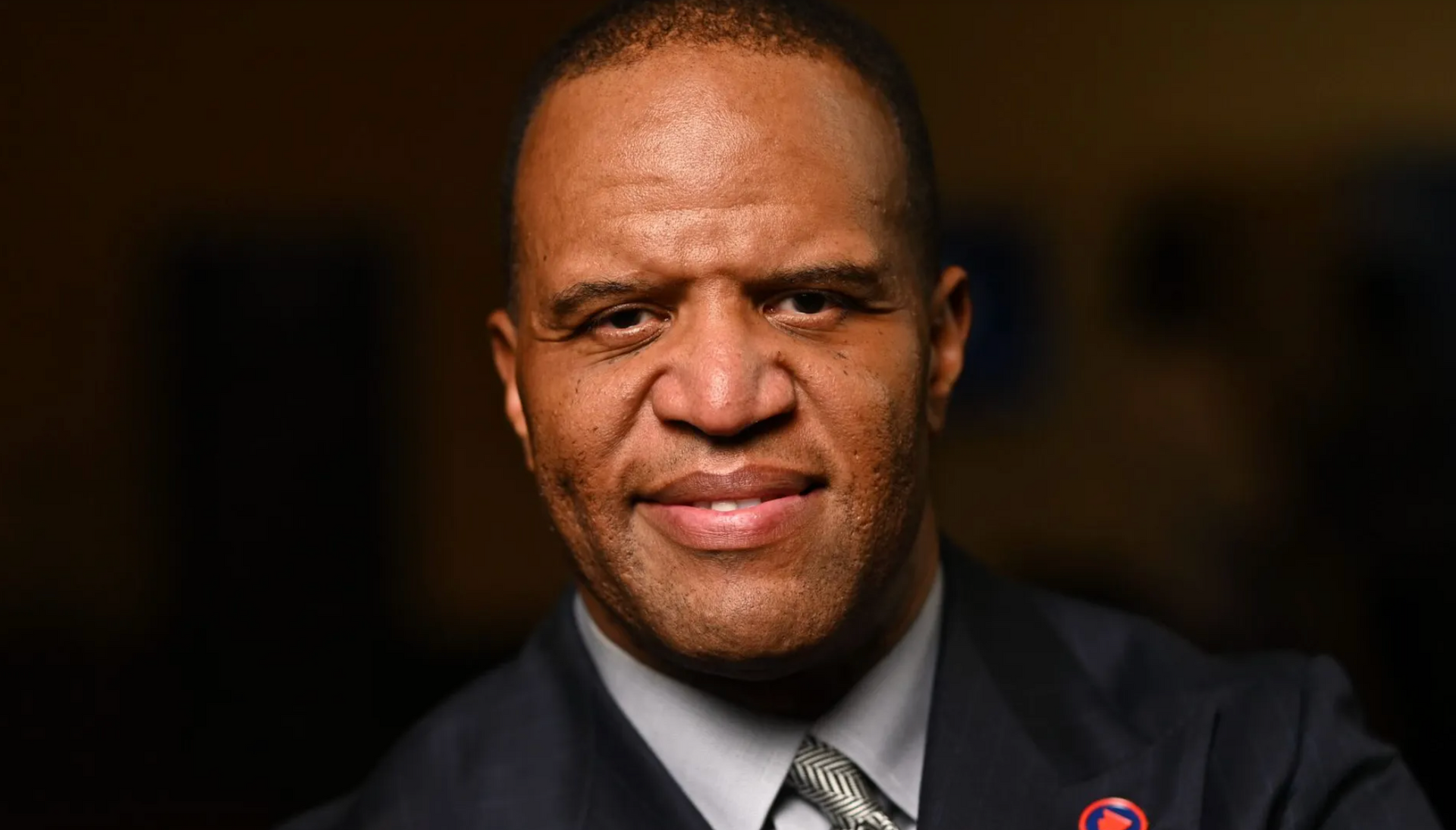
    U.S. News & World Reports Names John Hope Bryant One of America’s Best Leaders

    Button
  • Slide title

    U.S. Black Chambers, Inc. Acquires Historic Former BET Campus

    Button
  • Slide title

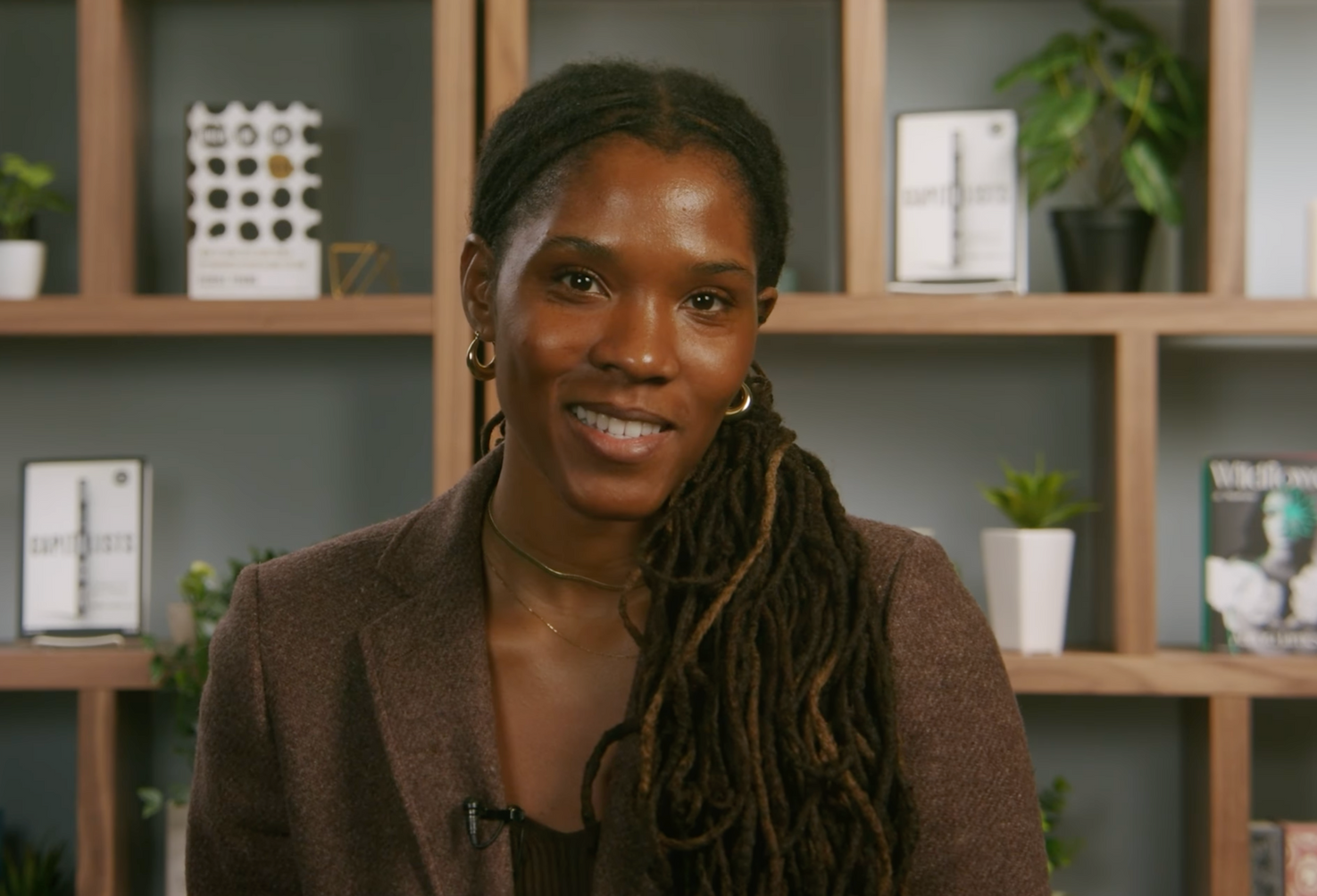
    Thasunda Brown Duckett Named to Most Powerful Women in Finance—Redefining Retirement Security for Millions

    Button
  • Slide title

    Black Cooperative Impact Fund: Powering Black Prosperity

    Button
  • Slide title

    From Ugandan Village Roots to America’s Financial Inner Circle

    Button
  • From Bankruptcy to Blueprint: How Red Lobster’s New CEO Is Rebuilding From the Inside Out

    Button
  • Slide title

    Building Wealth, Building Communities: The Emerging Developers Program for BIPOC Real Estate Leaders

    Button
  • Slide title

    Opportunities + Requirements: California DGC SB and DVBE Certifications

    Button
  • Slide title

    Venus & Serena Williams: From Center Court to NFL Ownership

    Button
  • Slide title

    Rise, Build, Reinvest: A Blueprint for Courageous Prosperity

    Button
  • Slide title

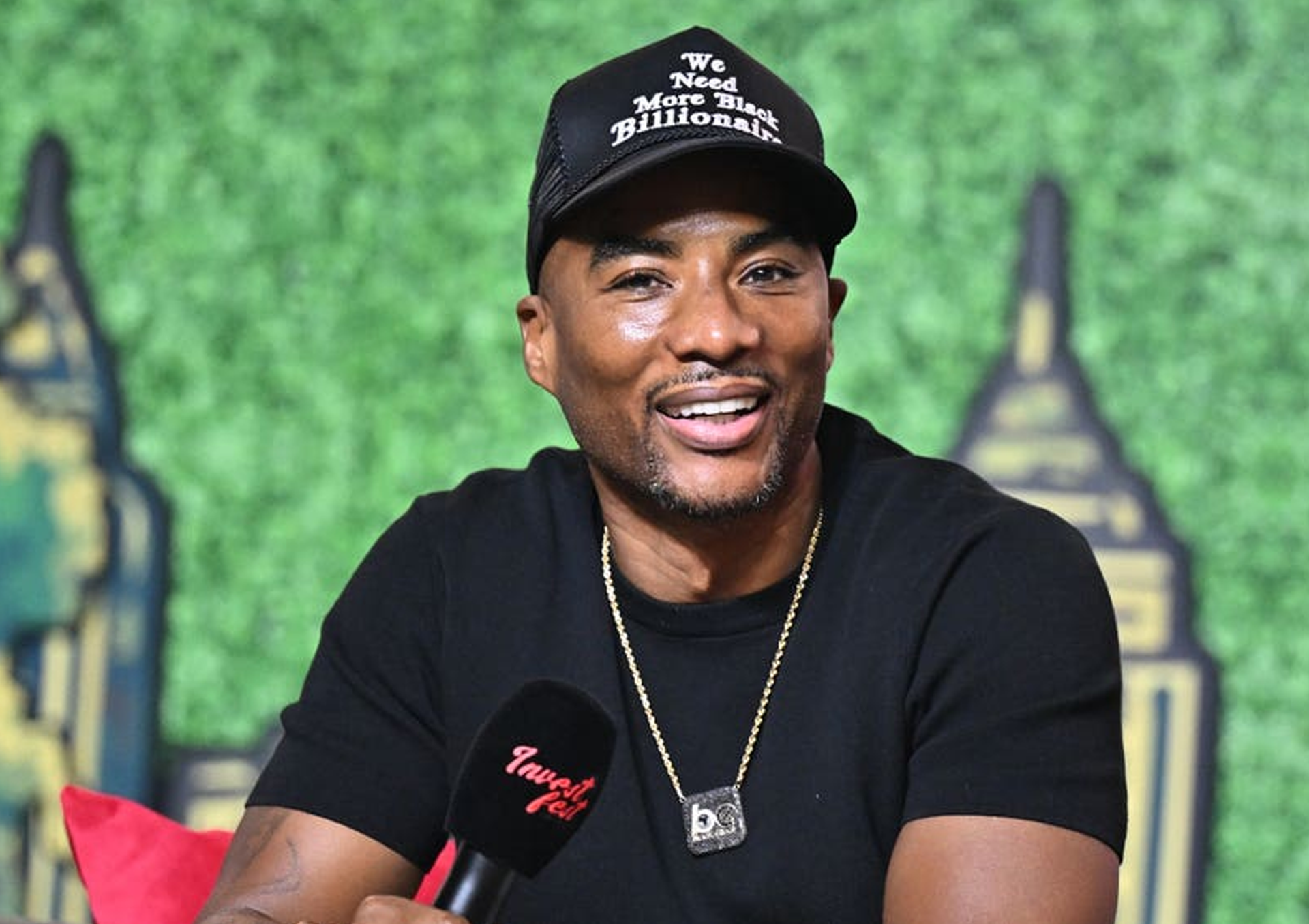
    iHeartMedia Extends Relationship with Media Powerhouse Charlamagne Tha God

    Button
  • Slide title

    Living in the Future First: Will.i.am on Dreaming, Building, and Becoming

    Button
  • Slide title

    U.S. Black Chambers, Inc. Acquires Historic Former BET Campus

    Button
  • Slide title

    Fearless Fund’s Grant Program for Black Women Entrepreneurs Upheld by Federal Judge

    Button
  • Slide title

    iHeartMedia Extends Relationship with Media Powerhouse Charlamagne Tha God

    Button
  • Slide title

    Thasunda Brown Duckett Named to Most Powerful Women in Finance—Redefining Retirement Security for Millions

    Button
  • Slide title

    Black Cooperative Impact Fund: Powering Black Prosperity

    Button
  • Slide title

    Building Wealth, Building Communities: The Emerging Developers Program for BIPOC Real Estate Leaders

    Button
  • Slide title

    From Ugandan Village Roots to America’s Financial Inner Circle

    Button
  • Slide title

    Rise, Build, Reinvest: A Blueprint for Courageous Prosperity

    Button
  • Slide title

    Venus & Serena Williams: From Center Court to NFL Ownership

    Button
  • Slide title

    Opportunities + Requirements: California DGC SB and DVBE Certifications

    Button
  • Slide title

    U.S. News & World Reports Names John Hope Bryant One of America’s Best Leaders

    Button
  • From Bankruptcy to Blueprint: How Red Lobster’s New CEO Is Rebuilding From the Inside Out

    Button

Business News & Announcements
By Kim Anthony January 1, 2026
Senior U.S. Judge Thomas Thrash has ruled that the Fearless Fund, a venture capital firm based in Atlanta, can continue its grant program exclusively tailored for Black women entrepreneurs. The judge said the lawsuit challenging the practice, which argued it unlawfully excluded individuals of other races, was unlikely to succeed. The Fearless Fund, while a relatively small player in the global venture capital market, has come to symbolize the broader debate surrounding corporate diversity policies. However, the lawsuit against the organization may set a precedent as discussions on race considerations evolve within the workplace, particularly in light of the U.S. Supreme Court’s recent ruling in June ending affirmative action in college admissions. Sign up for our Daily eBlast to get coverage on Black communities from the media company who has been doing it right for over 133 years. Edward Blum, an anti-affirmative action activist well-known for his involvement in the Supreme Court’s June college admissions cases, is the head of the nonprofit American Alliance for Equal Rights, which requested the preliminary injunction. Blum has expressed plans to appeal the decision, claiming that civil rights laws prohibit racial distinctions based on overrepresentation or underrepresentation. The Fearless Strivers Grant Contest, which awards $20,000 to Black women entrepreneurs, remains at the center of the lawsuit. Blum argues that this contest violates a section of the Civil Rights Act of 1866, which prohibits racial discrimination in contracts. He claims that members outside the specified racial category are excluded. Judge Thrash contended that the grants constituted “charitable donations” aimed, in part, at acknowledging the discrimination faced by Black women business owners. He asserted that such donations are protected as “expressive conduct” under the First Amendment. The judge criticized the alliance’s attempt to alter the fund’s intended message. Gilbert Dickey, an attorney for the alliance, pointed out that the grant program does not extend to other racial minorities, including Hispanics. He argued that privileging one race over others violates First Amendment protection. The Fearless Fund maintains that its objective is to remove the obstacles that keep companies run by women of color from getting venture capital funding. “We will continue to run the nation’s first venture capital fund that is built by women of color for women of color,” declared Fearless Fund CEO and co-founder Arian Simone. “We realize there is still a long road ahead, but today we remain fearless and steadfast in creating pathways that empower women of color entrepreneurs.” Data from the nonprofit advocacy group Digital Undivided shows that less than 1 percent of venture capital funding goes to businesses owned by Black and Hispanic women. Founded in 2019, the Fearless Fund conducts the grant contest quarterly, with eligibility criteria stipulating that a business must be at least 51 percent owned by a Black woman, among other requirements. The NAACP Legal Defense Fund, the National Women’s Law Center, and the Gibson, Dunn, and Crutcher law firm have supported the Fearless Fund in fighting Blum’s lawsuit. Prominent figures, including civil rights advocate Ben Crump, have rallied to defend the Fearless Fund against allegations of discrimination. The Fearless Fund has invested over $26.5 million in businesses run by women of color with the support of industry titans like JPMorgan Chase and Mastercard. They have also awarded grants exceeding $3 million to Black women-owned businesses. Jason Schwartz, a partner at Gibson Dunn, stressed the importance of offering grants to Black women small business owners to achieve economic freedom. Alphonso David, another of the Fearless Fund’s lawyers, president, and CEO of the Global Black Economic Forum, condemned Blum’s claims as baseless attempts to subvert existing law. He affirmed their commitment to defend the Fearless Fund and its crucial work vigorously. “Today, the playing field is not level – that is beyond dispute,” David asserted in an earlier statement. “Those targeting Fearless Fund want to propagate a system that privileges some and shuts out most. They want to pretend that inequities do not exist. They want us to deny our history.” This article was originally published by NNPA Newswire. 
By Kim Anthony December 31, 2025
There’s a certain kind of electricity that happens when Black women come together — the kind that lifts conversations, opens doors, and quietly shifts what’s possible. That energy is exactly what’s gathering in Los Angeles. As the new year begins, Kellie Todd Griffin — CEO of the California Black Women’s Collective Empowerment Institute — looked across the landscape and saw something beautiful rising: Black women founders, executives, innovators, dreamers, and doers… each building in her own lane, often quietly, often carrying more than the world will ever see. She picked up the phone. Soon, Sarah Harris of the Black Business Association said yes. Angela Gibson-Shaw of the Greater Los Angeles African American Chamber of Commerce said yes. Partners at Los Angeles Economic Development Corporation, Los Angeles South Chamber of Commerce, and others said yes, too. Not because it was another event. But because it was time. Time to gather the women who build. Time to create something rooted in sisterhood, not performance. Connection, not competition. Presence — not pressure. And so, SheBuildsLA was born.
By Kim Anthony December 30, 2025
Washington, D.C. — Last week, U.S. Black Chambers, Inc. (USBC) proudly announced the historic acquisition of the former Black Entertainment Television (BET) Campus, a 7.88-acre landmark once home to Robert L. Johnson’s groundbreaking media empire. With an investment of more than $38 million, USBC will transform this iconic site into the USBC Innovation Campus — The Epicenter of Business and Commerce. This monumental achievement marks a once-in-a-generation opportunity to reimagine the future of Black enterprise. The new campus will serve as a national engine for business growth, innovation, and community impact rooted in Washington, D.C., extending its influence nationwide. More than a milestone for USBC, the acquisition represents a transformational investment in the city’s economic future. It strengthens Washington, D.C.’s position as a hub for innovation, entrepreneurship, and cultural advancement, driving job creation, small business expansion, and generational wealth for years to come. For over 16 years, USBC has been the national voice of Black businesses. With this milestone, USBC enters a new era as the global voice of Black enterprise. Ron Busby Sr., President & CEO of the U.S. Black Chambers, Inc., stated: “When I reflect on the journey of the U.S. Black Chambers over the past 16 years, I see a story of resilience, vision, and progress. This campus is the next chapter of that story — not just a building, but a living symbol of what happens when we claim our space, own our future, and build institutions that outlast us. The USBC Innovation Campus is about more than today’s entrepreneurs; it’s about ensuring that generations to come inherit a place where their ideas, voices, and businesses can thrive.”

Founders & Builders

By Kim Anthony January 1, 2026
When Hakika Wise launched Kika Stretch Studios, she wasn’t just opening a business. She was creating a wellness movement built around freedom — freedom from tension, stress, and the physical wear-and-tear that weighs so many people down. Building a Stretch Revolution Kika Stretch Studios began as a single studio with a simple mission: help people feel better in their own bodies. As demand grew, Hakika realized something important — she couldn’t scale alone. “I knew that I couldn’t expand with the speed I wanted to on my own,” she explains. “Franchising allowed others to join me — and make a living doing something meaningful.” Franchising opened the door for entrepreneurs to step into a business model designed to be fulfilling, flexible, and community-centered. Turning Pain Into Purpose One of the defining moments in Hakika’s journey came when disaster struck: her first studio caught fire. Instead of closing, she moved operations into the basement of a church — and kept going. For nine months, her team showed up, served clients, and grew. The lesson? “I realized it wasn’t about me anymore. It was about showing up for the community that depended on us.” Persistence became part of the brand culture — and the studio came back stronger. Vision for Growth Today, Kika Stretch Studios continues to grow as a leader in assisted stretching — with a clear goal to scale significantly over the next several years, while staying grounded in quality care and client experience. Wisdom for Aspiring Entrepreneurs Hakika’s advice is simple, but powerful: Trust your potential. Tune out the naysayers. Surround yourself with people who believe in you. Never quit on your vision. “Surround yourself with people who believe in you — and never give up.” — Hakika Wise Creating Space for Black-Owned Franchises Hakika is passionate about seeing more Black entrepreneurs enter the franchise world — not just as operators, but as system owners and leaders. Education, she says, is key. Through her Instagram platform, @the_school_of_franchising, she teaches lessons, shares insights, and helps aspiring franchise owners believe in what’s possible. Says Hakika, “If I could build this, others can too.” And that’s the true heart of the Kika Stretch story — not just stretching bodies, but stretching possibility. Photo: Medium - Authority Magazine
By Kim Anthony January 1, 2026
Senior U.S. Judge Thomas Thrash has ruled that the Fearless Fund, a venture capital firm based in Atlanta, can continue its grant program exclusively tailored for Black women entrepreneurs. The judge said the lawsuit challenging the practice, which argued it unlawfully excluded individuals of other races, was unlikely to succeed. The Fearless Fund, while a relatively small player in the global venture capital market, has come to symbolize the broader debate surrounding corporate diversity policies. However, the lawsuit against the organization may set a precedent as discussions on race considerations evolve within the workplace, particularly in light of the U.S. Supreme Court’s recent ruling in June ending affirmative action in college admissions. Sign up for our Daily eBlast to get coverage on Black communities from the media company who has been doing it right for over 133 years. Edward Blum, an anti-affirmative action activist well-known for his involvement in the Supreme Court’s June college admissions cases, is the head of the nonprofit American Alliance for Equal Rights, which requested the preliminary injunction. Blum has expressed plans to appeal the decision, claiming that civil rights laws prohibit racial distinctions based on overrepresentation or underrepresentation. The Fearless Strivers Grant Contest, which awards $20,000 to Black women entrepreneurs, remains at the center of the lawsuit. Blum argues that this contest violates a section of the Civil Rights Act of 1866, which prohibits racial discrimination in contracts. He claims that members outside the specified racial category are excluded. Judge Thrash contended that the grants constituted “charitable donations” aimed, in part, at acknowledging the discrimination faced by Black women business owners. He asserted that such donations are protected as “expressive conduct” under the First Amendment. The judge criticized the alliance’s attempt to alter the fund’s intended message. Gilbert Dickey, an attorney for the alliance, pointed out that the grant program does not extend to other racial minorities, including Hispanics. He argued that privileging one race over others violates First Amendment protection. The Fearless Fund maintains that its objective is to remove the obstacles that keep companies run by women of color from getting venture capital funding. “We will continue to run the nation’s first venture capital fund that is built by women of color for women of color,” declared Fearless Fund CEO and co-founder Arian Simone. “We realize there is still a long road ahead, but today we remain fearless and steadfast in creating pathways that empower women of color entrepreneurs.” Data from the nonprofit advocacy group Digital Undivided shows that less than 1 percent of venture capital funding goes to businesses owned by Black and Hispanic women. Founded in 2019, the Fearless Fund conducts the grant contest quarterly, with eligibility criteria stipulating that a business must be at least 51 percent owned by a Black woman, among other requirements. The NAACP Legal Defense Fund, the National Women’s Law Center, and the Gibson, Dunn, and Crutcher law firm have supported the Fearless Fund in fighting Blum’s lawsuit. Prominent figures, including civil rights advocate Ben Crump, have rallied to defend the Fearless Fund against allegations of discrimination. The Fearless Fund has invested over $26.5 million in businesses run by women of color with the support of industry titans like JPMorgan Chase and Mastercard. They have also awarded grants exceeding $3 million to Black women-owned businesses. Jason Schwartz, a partner at Gibson Dunn, stressed the importance of offering grants to Black women small business owners to achieve economic freedom. Alphonso David, another of the Fearless Fund’s lawyers, president, and CEO of the Global Black Economic Forum, condemned Blum’s claims as baseless attempts to subvert existing law. He affirmed their commitment to defend the Fearless Fund and its crucial work vigorously. “Today, the playing field is not level – that is beyond dispute,” David asserted in an earlier statement. “Those targeting Fearless Fund want to propagate a system that privileges some and shuts out most. They want to pretend that inequities do not exist. They want us to deny our history.” This article was originally published by NNPA Newswire. 
By Kim Anthony December 26, 2025
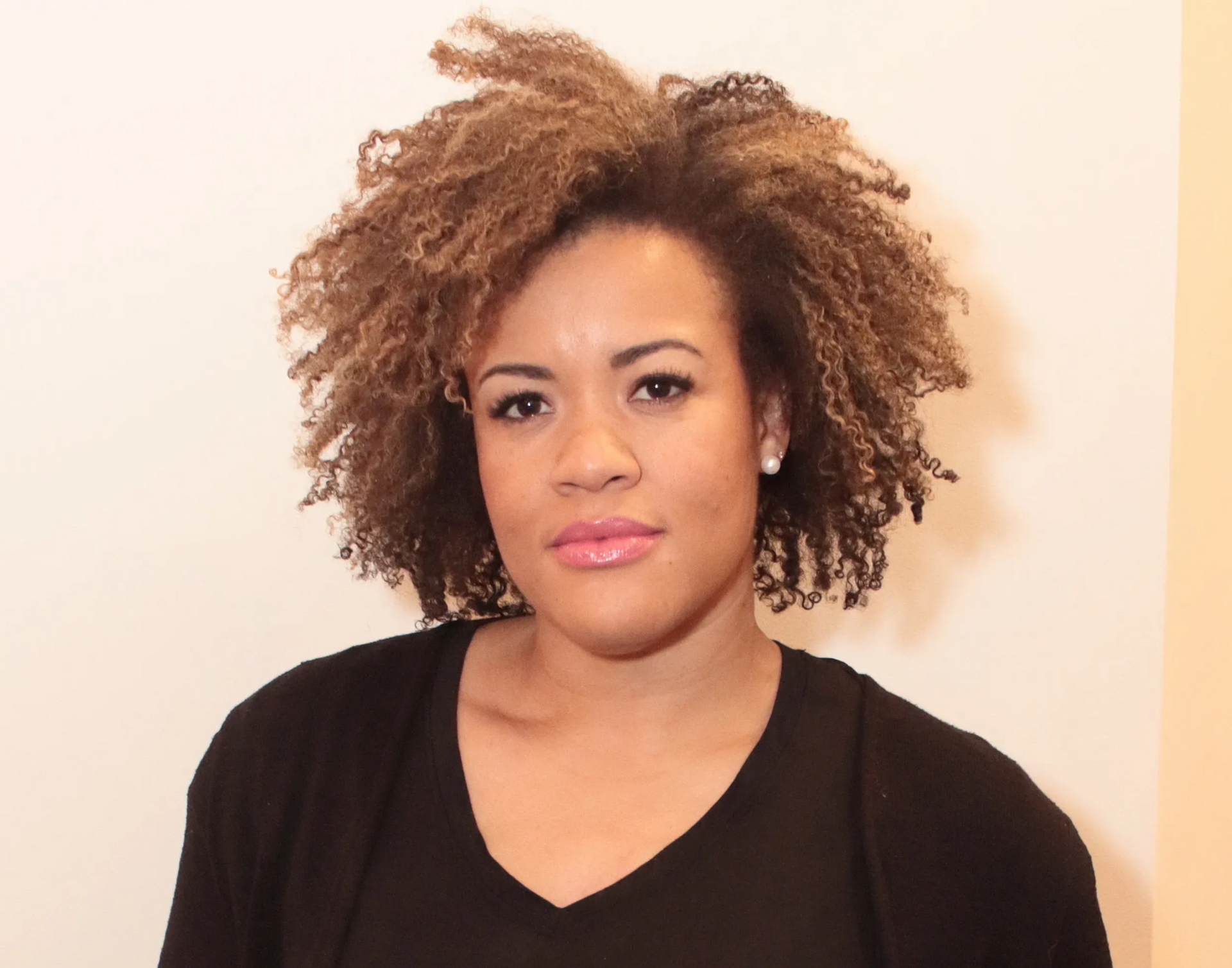
Dr. Rachel Laryea grew up as the daughter of a Ghanaian immigrant single mother — shaped by resilience, education, and deep curiosity about how people survive, thrive, and build. Her path took her from Goldman Sachs into the heart of global finance, and then into academia at Yale University, where she earned a dual PhD in African American Studies and Sociocultural Anthropology. She walked into Wall Street as both insider and outsider. And that tension — belonging and questioning at the same time — became the catalyst for her new book, Black Capitalists: A Blueprint for What Is Possible. Laryea describes her early corporate experience as a kind of “culture shock.” Goldman Sachs exposed her to wealth, privilege, speed, and power — but also to contradictions. The environment raised more questions than answers and set her on a path of asking: How do Black people navigate an economic system that has often profited from our labor — while rarely inviting us to benefit fully from it? That curiosity didn’t push her away from capitalism. Instead, it pushed her deeper into understanding how it works — and how it could work differently. Challenging the Story: Are Black People Only Labor — Never Beneficiaries? Much of academic conversation about capitalism and race assumes one truth: that Black participation inevitably leads to exploitation. There is history to support that view — slavery, discriminatory banking systems, and a racial wealth gap that remains wide. But Laryea noticed something striking during her time on Wall Street: Black people — and people of color — were not only surviving inside the “belly of the beast.” They were navigating, negotiating, growing, and sometimes redirecting resources back into their communities. Their relationship with capitalism wasn’t simple. It was: complicated strategic layered sometimes contradictory That realization reframed her work. Instead of asking whether Black people “belong” in capitalism, she began asking: What happens when Black people learn to reposition themselves inside the system — intentionally, ethically, and purposefully — to create social good? 

Entrepreneurial Mindset

By Kim Anthony January 1, 2026
For years, entrepreneurship praised the founder who could reinvent everything at a moment’s notice. The message was clear: stay flexible, pivot fast, change direction as often as necessary, and somehow the breakthrough would appear. Many people built survival on that skill. They learned to adjust when doors closed, when opportunities weren’t equal, when the plan didn’t work the first time. Reinvention became a way of staying afloat. But as we move through 2026, a different truth is beginning to emerge. The entrepreneurs gaining real traction are no longer the ones constantly starting over. They are the ones who stop scattering their energy and begin refining what already works. Instead of creating new lanes every few months, they choose one, strengthen it, deepen it, and let it mature. They discover that progress doesn’t always mean doing something new — sometimes it means doing something familiar with greater clarity, confidence, and excellence. Pivoting still has its place. Sometimes strategy really must shift. Conditions change, industries evolve, technology resets everything, and adaptation remains necessary. But pivoting as a lifestyle creates instability. When everything is always new, nothing ever has time to root. Every reinvention requires new branding, new storytelling, new systems, new audiences, and new emotional effort. Living in constant restart mode drains momentum. Eventually, the business feels like a collection of beginnings rather than a sustained journey toward mastery. In 2026, wisdom looks different than it once did. It is less about speed and more about steadiness. Instead of running toward every opportunity, focused entrepreneurs slow down long enough to ask whether the opportunity actually belongs to them. They recognize that not every trend deserves their attention. AI tools rise. Digital platforms expand. New marketing tactics promise instant success. And yet, the founders who are growing most meaningfully are not the ones chasing everything — they are the ones staying grounded in the work that truly aligns. Depth has become more powerful than distraction. There is something magnetic about a business that knows who it is and remains faithful to its identity. When a founder shows up consistently in the same lane, people begin to trust them. Over time, reputation forms. Word-of-mouth strengthens. Clients return because they recognize quality and commitment. What once felt narrow reveals itself as strength. The more deeply you plant, the wider your roots spread. This is why focus is not restriction — it is liberation. When you choose direction, your mind quiets. Decisions stop feeling chaotic. Messaging becomes clearer. Operations can finally stabilize. Instead of constantly rewriting your story, you allow your story to mature. Your calendar becomes intentional rather than frantic. Your identity as a business becomes recognizable, not blurry. Focus removes clutter and gives your effort a home. For many entrepreneurs, especially those who have had to operate in survival mode, narrowing feels risky. There is an instinct that says, “If I don’t do everything, I might miss something.” That instinct came from real experience. But 2026 invites a different kind of trust — trust that your work deserves depth, trust that commitment creates growth, and trust that excellence requires time. Mastery is not about doing more; it is about doing what matters with increasing skill and integrity. The future will not reward endless dabbling. It will reward builders — people who stay long enough to refine, improve, and evolve. Focus gives your business the stability needed to build legacy instead of just movement. It turns scattered effort into meaningful direction. It allows clients to recognize your voice, your values, and your contribution. And perhaps most importantly, focus allows you to breathe. When you stop chasing everything, you finally have the space to become who you are meant to be in business — grounded, confident, steady, and ready for the kind of growth that lasts. Because in 2026 and beyond, focus is not limitation. Focus is liberation.
By Kim Anthony January 1, 2026
For years, entrepreneurship was framed almost entirely through the lens of tactics. If you had the right software, the right plan, the right strategy, the right advisor, the right funnel — you were told success would follow. The story was simple: outwork everyone, optimize everything, and eventually life would reward your persistence. But as we move through 2026, that narrative is showing cracks. Many founders did everything “right” and still found themselves exhausted, discouraged, and unsure how to keep going. That shift forced a deeper question: what if the missing ingredient isn’t another tool or tactic — but the strength to remain steady when everything feels uncertain? Because the reality is this: the market is unpredictable. Technology moves so quickly that what felt cutting-edge two years ago can feel outdated now. Customers change, industries shift, opportunities arrive and disappear, and sometimes circumstances outside your control apply pressure you didn’t ask for — economy, health, family obligations, or structural barriers others never have to think about. When that pressure hits, strategies alone cannot hold you. Something internal must steady you — something rooted not in hustle, but in resilience. In 2026, emotional steadiness is no longer being viewed as a bonus trait for entrepreneurs. It is becoming part of the operational blueprint. If cash flow dips, if a partnership fails, if a launch falls flat, or if life disrupts the plan, resilience determines whether you collapse or recalibrate. It is the difference between seeing a setback as proof you aren’t capable — versus seeing it as data, feedback, and an invitation to adapt. Resilience, at its core, is not pretending nothing hurts. It is learning to be honest about the disappointment without being consumed by it. It is acknowledging pressure and choosing presence anyway. It is understanding that emotional regulation — the ability to breathe, reflect, and respond instead of react — is not weakness. It is leadership. Entrepreneurs especially need this kind of strength when they are carrying more than a personal dream. Some are building because families are counting on them. Communities are watching. Younger generations are looking for proof that new paths are possible. When the mission feels deeply personal, the weight grows heavier — and the temptation to push beyond healthy limits becomes stronger. Without resilience, the mission becomes a burden. With resilience, the mission becomes fuel. What’s changing in 2026 is the relationship founders have with themselves. Instead of glorifying burnout, many are finally allowing rest to count as strategy. They are recognizing that crossing the line into chronic exhaustion leads to poor decision-making, short tempers, financial mistakes, strained relationships, and lost passion. A burned-out leader cannot steward vision well. They react instead of discern. They chase survival instead of guiding from purpose. Resilient entrepreneurs are choosing a different approach. They are building rhythms of care into their routines — quiet time, movement, therapy, prayer, journaling, coaching, or anything that grounds them. They are surrounding themselves with people they don’t have to impress. They are learning that asking for help does not shrink authority — it protects it. They are redefining strength from “I can handle everything” to “I don’t have to carry this alone.” And slowly, something beautiful happens. The fear-driven tension softens. Decisions become clearer. Creativity returns. Perspective widens. Instead of clinging to every opportunity, founders begin choosing better ones. Instead of operating from scarcity, they begin to operate from stability. That shift changes everything — revenue, relationships, team culture, even health. Resilience also reframes failure. In older entrepreneurial culture, failure carried shame. Today, resilient leaders interpret failure as refinement. They ask different questions: What is this teaching me? What isn’t aligned? What can be improved? Where am I called to grow? They understand that progress is not linear, and endurance often matters more than perfection. At its deepest level, resilience is about protecting the person who is doing the building. Business can be rebuilt. Programs can be redesigned. Offers can evolve. But if the founder collapses under pressure, the entire vision collapses with them. Emotional resilience ensures the vision has a future — not because things never go wrong, but because you’ve learned how to stay grounded when they do. That’s why, in 2026, resilience is being recognized not as soft inspiration, but as structural support. Just as businesses invest in insurance, financial systems, and technology infrastructure, wise founders are now investing in the stability of their own inner lives. They are choosing therapy over silent suffering. Boundaries over burnout. Rest over guilt. Community over isolation. Reflection over constant reaction. The truth is simple and sobering: some of the most brilliant ideas never failed because they lacked potential. They faded because the person carrying them ran out of emotional strength. Resilience gives brilliance room to breathe. It buys time. It creates space for breakthroughs. It keeps you standing long enough to see opportunity again. This is the mindset shift of 2026: success is not just measured by revenue, expansion, or accolades. It is also measured by whether you remain healthy, mentally steady, spiritually anchored, and emotionally available to your life beyond business. The goal isn’t simply to build something impressive — it is to still be present, alive, and whole enough to enjoy it. And that, more than any algorithm or strategy, determines lasting impact.
By Kim Anthony December 26, 2025
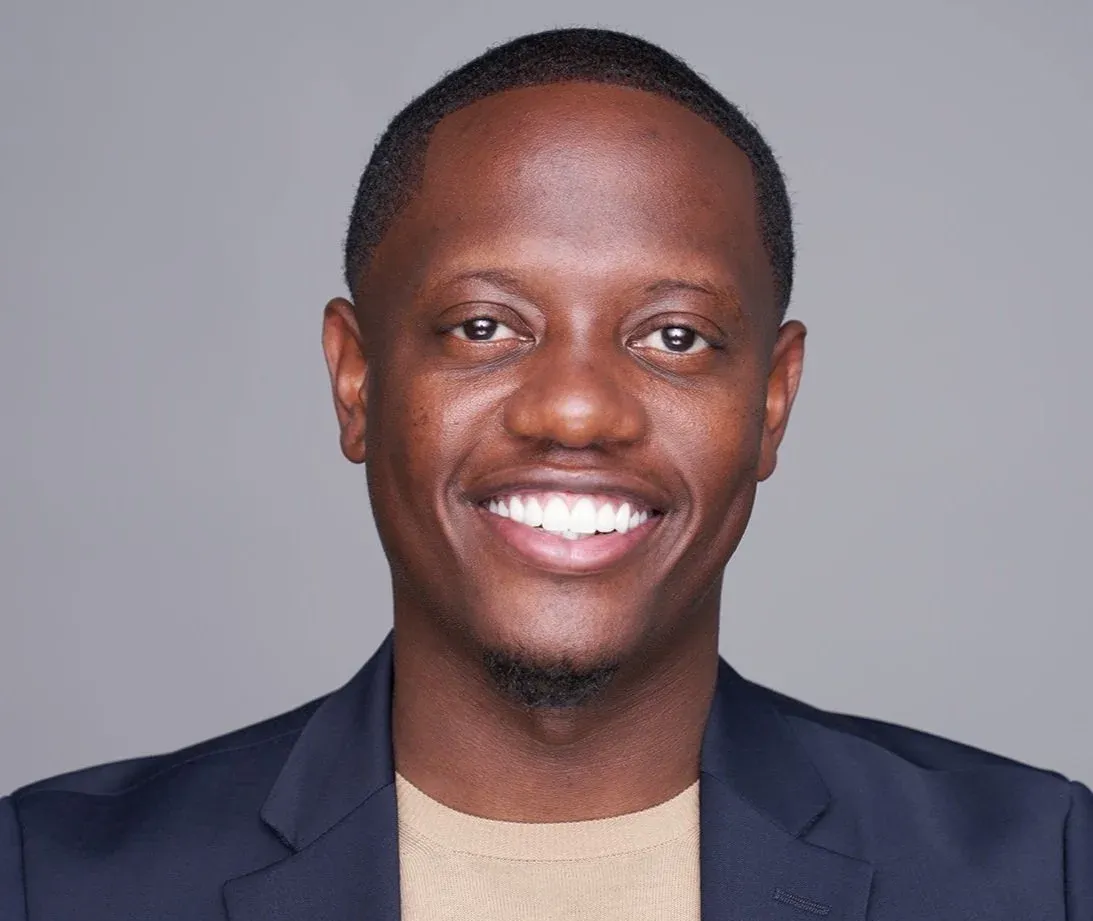
There’s a difference between working to survive — and working to build something that doesn’t yet exist. Will.i.am understands that difference intimately. Known around the world as a member of the Black Eyed Peas and a hit-making producer who has collaborated with artists like Nas, Ariana Grande, John Legend, The Game, Macy Gray, and Chris Brown, he is now also a tech entrepreneur with a traditional 9-to-5. But even with corporate structure in his life, his focus hasn’t changed. He is still building on his own terms — and encouraging other creators, builders, and founders to do the same. As he told Black Enterprise,“ Work-life balance means that you’re working for somebody else’s dream.” He’s not dismissing self-care. He’s reframing the idea entirely. Because for people who are designing something new — leaders, entrepreneurs, innovators, visionaries — balance looks different. Dream–Reality Balance vs. Work–Life Balance Will.i.am says the conversation shouldn’t always be about work-life balance. It should be about dream–reality balance . “If you’re trying to build something that doesn’t exist, it’s about dream-reality balance. Work-life balance means that you’re working for somebody else’s dream. But if it’s dream-reality balance, then it’s not work. It’s a dream you’re trying to put into reality.” In other words, people who are building something new are not simply clocking in and clocking out. They are taking the vision they see in their mind — and pulling it into the world. And that requires a different level of focus, sacrifice, and persistence. Structure First — Creativity After There was a time when Will.i.am made music all day and tried to squeeze tech work into the margins at night. Now he has flipped that rhythm: structured work during the day creativity and dream-building from 5 p.m. to 9 p.m. intentional discipline around both Not chaos. Not hustle culture. Not burnout. Structure in service of purpose. He encourages young people — especially those who want to create impact, launch businesses, build movements, or innovate — to think the same way: Build your future intentionally. Design your schedule around what you’re becoming — not only what you’re currently doing. Architects of the Future Think Differently Will.i.am is clear: people who are materializing visions cannot always think like people who simply maintain stability. “I’m not really paying attention to this reality., said Will.I.Am to Black Enterprise. "I’m trying to bring that one here… and to do that you have to sacrifice. Work-life balance is not for the architects that are pulling visions into reality.” He isn’t glorifying exhaustion. He is naming a truth: Creators, founders, and visionaries live in both worlds — the world that exists now, and the world they are birthing. And there are seasons when that requires staying committed long after the clock says “stop.” Learnings / Takeaways You must decide which reality you’re committed to. The current one — or the one you’re building. Purpose requires structure — not chaos. Discipline, schedules, and boundaries actually protect the dream. Sometimes “balance” isn’t the goal. Sometimes the goal is alignment: making sure your time reflects what you say matters. Builders think long-term. Entrepreneurs and visionaries live partly in the future — and pull it forward piece by piece. Sacrifice isn’t punishment. It’s investment. You’re trading comfort for creation.  Photo Credit: Will.i.am at the 2023 World Economic Forum by Foundations World Economic Forum is licensed under CC BY 2.0 .

Money, Funding, Wealth & Opportunity

By Kim Anthony January 2, 2025
Under-earning, often a result of undervaluing one’s worth, skills, or time, can be a debilitating habit that stands in the way of achieving one's financial and personal potential. Breaking free from this cycle can lead to increased self-esteem, financial freedom, and a more fulfilling professional journey. Here are 11 strategies to address and conquer the habit of habitual under-earning: 1. Self-Awareness is the First Step Before addressing under-earning, one must recognize it. Monitor your income, track your working hours, and compare your earnings with industry standards. Acknowledging the disparity is essential. 2. Set Clear Financial Goals Establish clear, measurable financial goals. Whether it’s a desired annual income, a target hourly rate, or a specific project fee, having a number in mind provides a tangible target. 3. Know Your Worth Research market rates for your profession, skills, and experience. Use platforms like Glassdoor, Payscale, or industry-specific databases to get a clear picture of what you should be earning. 4. Invest in Continuous Learning Boost your earning potential by staying updated in your field. Attend workshops, get certifications, and consistently upgrade your skills. The more valuable your skillset, the higher your earning potential. 5. Practice Negotiation Many under-earners shy away from negotiating salaries or fees. Start practicing negotiation skills in low-stakes situations and gradually apply them in professional scenarios. 6. Avoid Overcommitting Learn to say "no." Taking on too many tasks, especially if they are underpaid, can keep you trapped in the under-earning cycle. Prioritize opportunities that align with your worth. 7. Surround Yourself with Support Connect with mentors, join professional groups, or find peers who understand your worth and encourage you to break out of under-earning habits. Their support can be invaluable. 8. Diversify Income Streams Look for alternative income streams. Freelance work, consulting, or even passive income opportunities can supplement your primary income and elevate your overall earnings. 9. Reframe Your Mindset Under-earning often stems from deep-seated beliefs about money and self-worth. Consider professional coaching or counseling to address and transform any limiting beliefs. 10. Review and Adjust Regularly Periodically review your earnings and set new benchmarks. As you grow in your profession and gain more experience, your worth increases. Adjust your rates and salary expectations accordingly. 11. Celebrate Small Wins Every time you successfully negotiate a better rate, land a higher-paying client, or reach a financial goal, celebrate it. This positive reinforcement will motivate you to continue breaking the under-earning cycle. In conclusion, breaking the habit of habitual under-earning requires a combination of self-awareness, proactive efforts, and continuous self-improvement. With dedication and the right strategies, it’s entirely possible to redefine your professional worth and achieve the financial success you deserve.
By Kim Anthony August 28, 2023
John Hope Bryant, an American entrepreneur, stands tall as a beacon in the financial literacy realm. He has made significant strides not just as a successful businessman but as an advocate for economic empowerment and inclusion. Wearing m ultiple hats, Bryant is the founder, chairman, and CEO of the nonprofit Operation HOPE, an organization dedicated to uplifting underserved communities through financial education. Furthermore, his dedication to creating an inclusive financial system was acknowledged on the national stage when he served as the vice chair on the U.S. President’s Advisory Council on Financial Literacy. So, who exactly is John Hope Bryant? How did a boy raised in Compton and the South Central area of Los Angeles rise to influence financial policies at the highest echelons of power and inspire countless individuals? Here are the 10 principles we're learning from John Hope Bryant, which provide a deeper insight into his philosophy: 1. Embrace Your Roots While he might say "Be nuts!", what Bryant really means is never forget where you come from. His upbringing in Compton and the South Central region of LA instilled resilience and a unique perspective that fuels his initiatives. 2. Determination Over Circumstances "Vow to never be poor" isn't just about financial wealth. Following the 1992 Rodney King riots, Bryant saw a dire need for financial education and empowerment, leading him to establish Operation HOPE, Inc. 3. Self-belief is Paramount "Believe in yourself" isn’t just a catchy hashtag. Bryant's recognition as one of the 237 Young Global Leaders by the World Economic Forum stands as a testament to his unwavering self-belief and his ability to turn vision into reality. 4. Network and Connect "Make friends everywhere" speaks to Bryant's approach to collaboration. His role as vice-chairman of the President’s Council on Financial Literacy under President George W. Bush showcases his belief in forging connections for collective progress. 5. Challenges Foster Growth Understanding that "You can't grow without legitimate suffering" is vital. Despite challenges, Bryant continued his mission under President Barack Obama, emphasizing the importance of financial capability at a national level. 6. Visionary Leadership To "Redefine success", Bryant took charge as the chairman of the Subcommittee on the Underserved and Community Empowerment. His leadership shines in initiatives targeting marginalized communities. 7. Trust in Your Potential With a nod to "Have confidence", Bryant was lauded as “One of America’s 50 Most Promising Leaders of the Future” by Time Magazine in 1994. He exemplifies that confidence coupled with action can create impactful change. 8. Generosity is Golden Through "Give", Bryant has made history. His recognition as the first African-American to be knighted by German nobility emphasizes the importance of generosity and the far-reaching impact of goodwill. 9. Lift Others As You Rise True to the principle of "Empower people", Bryant's Crystal Heart Award from the University of Southern California School of Social Work celebrates his relentless efforts in community service and empowerment. 10. Humility in Achievements Lastly, "Don't take yourself too seriously" is a reminder that even amidst accolades, like being named to The Root's 2011 100 List of Influencers and Iconoclasts, one should remain grounded. In conclusion, John Hope Bryant’s principles serve as a guiding light for those striving for financial empowerment, success, and societal change. As you navigate your journey, remember to integrate these principles and keep pushing boundaries.
By Kim Anthony August 28, 2023
4 / 4 5 Things We Learned About Building Generational Wealth from Humble Lukanga When it comes to generational wealth building, few names shine as brightly as Humble Lukanga. A financial guru with an emphasis on personal growth, Lukanga has helped countless individuals make wiser financial decisions. His philosophy is rooted in the idea that money is just a tool – it's how you use it that matters. Here are five key takeaways from his teachings: 1. Start Early and Be Consistent One of Lukanga’s core principles is the power of time. He stresses the importance of starting early, even if it's with a small amount, and consistently investing over time. Compound interest, often dubbed the "eighth wonder of the world", can turn modest savings into substantial sums over decades. This long-term vision can set future generations up for financial security. 2. Educate Yourself Continuously Humble believes that financial literacy is not a one-time lesson but a lifelong journey. He encourages everyone to constantly educate themselves on personal finance, investment strategies, and current market trends. By being well-informed, you can make decisions that align with your goals and navigate the ever-changing economic landscape. Additionally, by instilling this value in younger generations, you ensure that the knowledge and wisdom continue to benefit your lineage. 3. Live Below Your Means, Not Within While most financial advisors suggest living within your means, Lukanga pushes for living below. By actively curbing unnecessary expenses and avoiding a lavish lifestyle, especially when you start earning more, you can accelerate your savings rate. This does not mean depriving oneself of joys but making intentional decisions about spending. Over time, the accumulation from these saved resources can lead to substantial wealth. 4. Diversify Your Investments Lukanga often emphasizes the importance of not putting all your eggs in one basket. By diversifying your investments across different assets, industries, and even countries, you reduce the risk of significant losses. A diversified portfolio can weather economic downturns better and ensure steady growth over time. This approach can safeguard the wealth you aim to pass down to the next generation. 5. Wealth is More Than Just Money Perhaps the most profound lesson from Lukanga is the idea that true generational wealth is not just about money. It's also about values, education, and legacy. Teaching your children and grandchildren about responsibility, hard work, integrity, and kindness ensures that the wealth is used wisely and has a positive impact on society. Moreover, by focusing on holistic wealth, families can foster environments where success is not just measured by monetary means but by the overall impact one makes in the world.  Humble Lukanga's insights into generational wealth go beyond the traditional confines of financial advice. He brings a fresh perspective that intertwines financial health with personal growth, emphasizing the importance of holistic wealth building. Embracing his teachings can set individuals and families on a path to not just financial success but a richer, more purposeful life.

Women of Enterprise

By Kim Anthony January 1, 2026
Senior U.S. Judge Thomas Thrash has ruled that the Fearless Fund, a venture capital firm based in Atlanta, can continue its grant program exclusively tailored for Black women entrepreneurs. The judge said the lawsuit challenging the practice, which argued it unlawfully excluded individuals of other races, was unlikely to succeed. The Fearless Fund, while a relatively small player in the global venture capital market, has come to symbolize the broader debate surrounding corporate diversity policies. However, the lawsuit against the organization may set a precedent as discussions on race considerations evolve within the workplace, particularly in light of the U.S. Supreme Court’s recent ruling in June ending affirmative action in college admissions. Sign up for our Daily eBlast to get coverage on Black communities from the media company who has been doing it right for over 133 years. Edward Blum, an anti-affirmative action activist well-known for his involvement in the Supreme Court’s June college admissions cases, is the head of the nonprofit American Alliance for Equal Rights, which requested the preliminary injunction. Blum has expressed plans to appeal the decision, claiming that civil rights laws prohibit racial distinctions based on overrepresentation or underrepresentation. The Fearless Strivers Grant Contest, which awards $20,000 to Black women entrepreneurs, remains at the center of the lawsuit. Blum argues that this contest violates a section of the Civil Rights Act of 1866, which prohibits racial discrimination in contracts. He claims that members outside the specified racial category are excluded. Judge Thrash contended that the grants constituted “charitable donations” aimed, in part, at acknowledging the discrimination faced by Black women business owners. He asserted that such donations are protected as “expressive conduct” under the First Amendment. The judge criticized the alliance’s attempt to alter the fund’s intended message. Gilbert Dickey, an attorney for the alliance, pointed out that the grant program does not extend to other racial minorities, including Hispanics. He argued that privileging one race over others violates First Amendment protection. The Fearless Fund maintains that its objective is to remove the obstacles that keep companies run by women of color from getting venture capital funding. “We will continue to run the nation’s first venture capital fund that is built by women of color for women of color,” declared Fearless Fund CEO and co-founder Arian Simone. “We realize there is still a long road ahead, but today we remain fearless and steadfast in creating pathways that empower women of color entrepreneurs.” Data from the nonprofit advocacy group Digital Undivided shows that less than 1 percent of venture capital funding goes to businesses owned by Black and Hispanic women. Founded in 2019, the Fearless Fund conducts the grant contest quarterly, with eligibility criteria stipulating that a business must be at least 51 percent owned by a Black woman, among other requirements. The NAACP Legal Defense Fund, the National Women’s Law Center, and the Gibson, Dunn, and Crutcher law firm have supported the Fearless Fund in fighting Blum’s lawsuit. Prominent figures, including civil rights advocate Ben Crump, have rallied to defend the Fearless Fund against allegations of discrimination. The Fearless Fund has invested over $26.5 million in businesses run by women of color with the support of industry titans like JPMorgan Chase and Mastercard. They have also awarded grants exceeding $3 million to Black women-owned businesses. Jason Schwartz, a partner at Gibson Dunn, stressed the importance of offering grants to Black women small business owners to achieve economic freedom. Alphonso David, another of the Fearless Fund’s lawyers, president, and CEO of the Global Black Economic Forum, condemned Blum’s claims as baseless attempts to subvert existing law. He affirmed their commitment to defend the Fearless Fund and its crucial work vigorously. “Today, the playing field is not level – that is beyond dispute,” David asserted in an earlier statement. “Those targeting Fearless Fund want to propagate a system that privileges some and shuts out most. They want to pretend that inequities do not exist. They want us to deny our history.” This article was originally published by NNPA Newswire. 
By Kim Anthony December 31, 2025
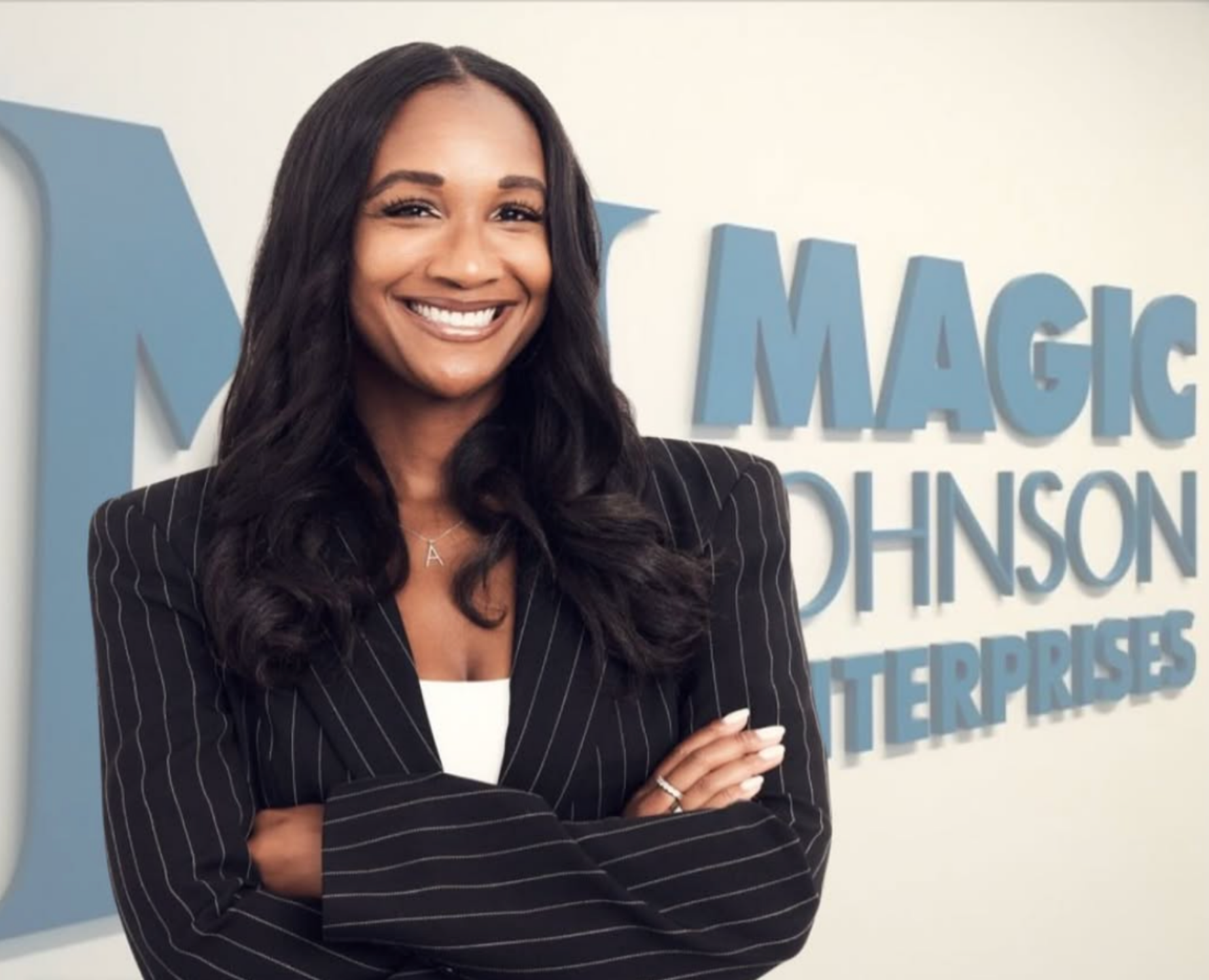
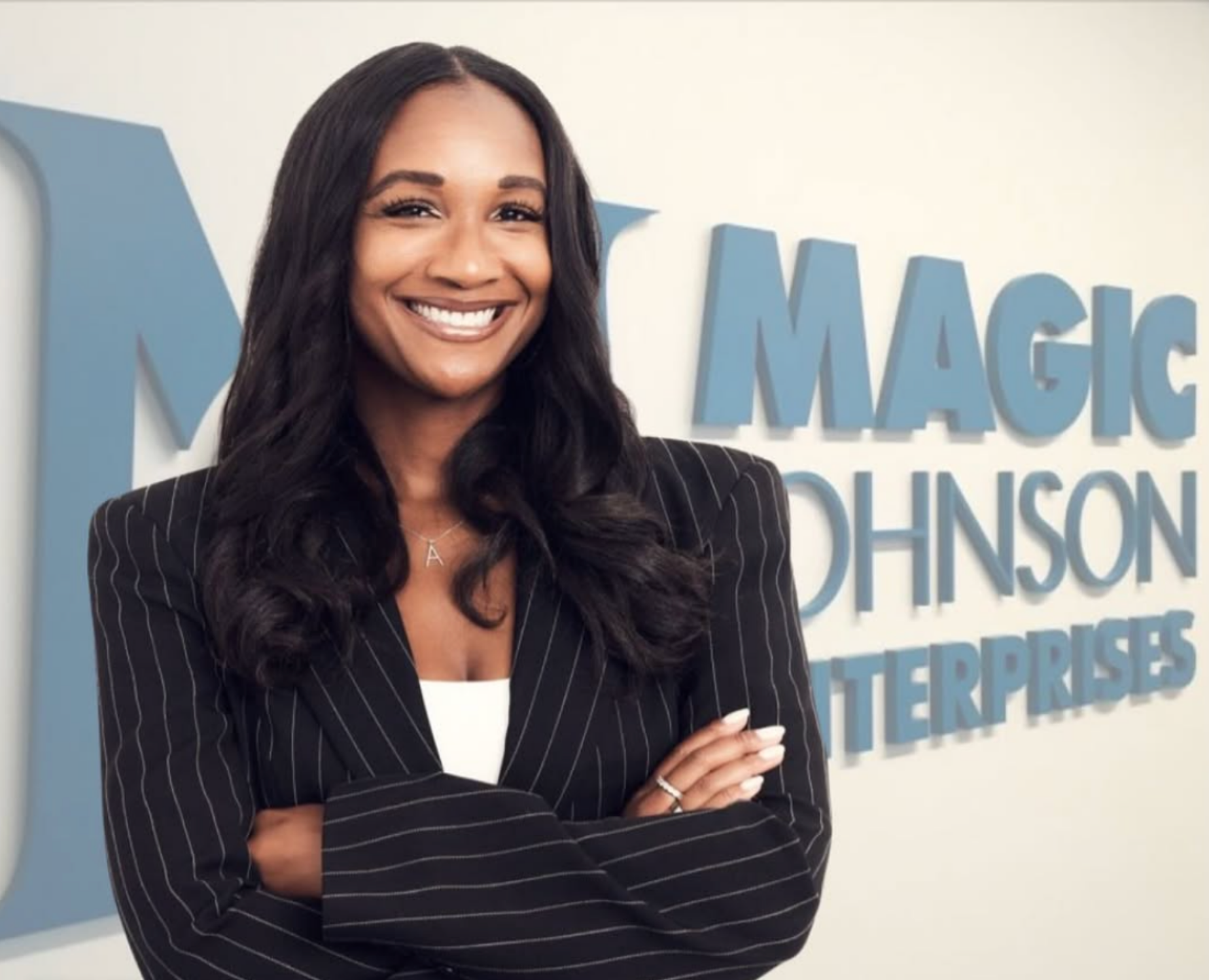
Magic Johnson Enterprises (MJE) has entered a transformational moment in its legacy of community-centered entrepreneurship: Alexia Grevious Henderson has been named President of Magic Johnson Enterprises. Her appointment is more than a new title—it signals a generational shift toward leaders who understand that wealth-building and community uplift are inseparable. This is leadership rooted in excellence and guided by purpose. A Leader Built for Impact Henderson joined MJE in 2017 and has quietly become one of the strategic minds shaping partnerships, elevating brand influence, and expanding the economic reach of MJE’s mission. Rising from Senior Manager to Vice President—and now President—she has proven herself not just capable, but catalytic. As Vice President of Strategic Partnerships and Marketing, she led: major corporate collaborations global brand partnerships campaigns that expanded MJE’s economic influence Under her leadership, MJE has strengthened its identity as a vehicle for community-driven growth and long-term economic empowerment. Magic Johnson summarized it best: “Alexia is one of the brightest young minds in business today. Her leadership and creativity have elevated our brand, our partnerships, and our mission.” A Career Anchored in Purpose Before joining MJE, Henderson built foundational experience with the Washington Commanders and the NCAA. Her work has been nationally recognized, including being named: Sports Business Journal’s “30 New Voices Under 30” Diverse Representation’s “Top Ten to Watch” Beyond her corporate success, she serves on the board of A.Bevy, helping young adults find direction, identity, and purpose—an example of leadership that extends beyond the office and into the lives of future innovators. A Historic Representation Moment Henderson’s presidency represents a breakthrough for: women stepping into major corporate leadership Black leaders shaping national investment strategy the next generation building wealth, ownership, and opportunity This moment proves something powerful: future-focused leadership doesn’t just inherit legacy—it expands it. Rooted in Community, Positioned for Global Impact Originally from Fort Mill, South Carolina, Henderson earned her degree from Clemson University and an MBA from Pepperdine University. Today she calls Los Angeles home—a city where entrepreneurship, culture, and economic innovation converge. She now stands at the intersection of legacy and next-generation leadership—continuing a mission that impacts both boardrooms and neighborhoods. About Magic Johnson Enterprises: Founded by Earvin “Magic” Johnson, MJE is a diversified investment company advancing opportunities across entertainment, sports, real estate, technology, and more—always with an eye toward access, ownership, and community prosperity. Its mission continues to demonstrate a powerful truth: When communities gain access, communities gain power.And when we elevate leaders who carry that purpose forward, we don’t just witness change - we build the future.
By Kim Anthony December 31, 2025
When Venus and Serena Williams stepped onto a tennis court decades ago, they didn’t simply play the game—they changed it forever. With every serve, every championship, and every barrier broken, they reminded the world that greatness refuses limitation and does not wait for permission. Now, they’ve made history once again—this time not in Wimbledon whites, but in ownership seats and billion-dollar boardrooms. Venus and Serena are the first Black women to own a stake in an NFL franchise, becoming investors in the Miami Dolphins—currently valued at more than $4.6 billion. This moment isn’t just a headline. It’s a statement. About possibility. About access. And about the evolving definition of leadership. From Courtside to Boardroom NFL ownership has historically been inaccessible to women—especially Black women. For two sisters who grew up in Compton, shaped by discipline, resilience, and unwavering belief, to sit at that table is monumental. This move signals more than participation—it signals transformation. They’re not just influencing sports on the field; they’re positioning themselves in the rooms where media, revenue, strategy, and power are negotiated. This is what it looks like when leadership moves from being the face of a sport to being architects of its future. Impact doesn’t retire. It reinvents itself. The Legacy They Continue to Build Venus and Serena have always been more than athletes. Their lives reflect a portfolio of brilliance—fashion, venture capital, wellness, philanthropy, and storytelling. Their investment in the Dolphins fits a pattern: they don’t simply enter industries; they elevate them. They didn’t just show the world what excellence looks like. They are showing the world what ownership looks like. And in their footsteps, a new generation is learning that greatness isn’t confined to a profession—it’s expressed through every arena you dare to enter. Lessons From the Williams Way Their journey offers timeless principles for emerging leaders, innovators, creators, and community-builders: Play with power and plan with purpose. Whether on the court or in corporate negotiations, every step reflects intention. Diversify your legacy. Mastery in one space is the beginning—not the destination. Representation is a form of leadership. When we see it, we believe it is possible. Ownership is influence. And influence shapes culture, economics, and opportunity. Not Just First—Foundational Venus and Serena aren’t simply breaking records; they’re building a new frontier—one where Black women take their rightful place as investors, leaders, and owners in one of America’s most powerful institutions: the National Football League. The Williams sister have always played to win. Now, they are playing to lead. And if history has taught us anything, it’s this: when the Williams sisters step forward, they don’t just open doors—they leave them open for everyone coming behind them.

Leadership & Influence

By Kim Anthony December 29, 2025
Operation HOPE is proud to announce that U.S. News & World Report has named our Founder, Chairman and CEO, John Hope Bryant, one of its 2025 “Best Leaders in Business.” This annual recognition honors just 25 influential leaders across business, education, public service, and healthcare who embody the leadership qualities Americans value most. This year’s honorees include changemakers such as Mark Cuban, Dolly Parton, Sal Khan, José Andrés, Michael J. Fox, MacKenzie Scott , and others, alongside our own Chairman Bryant, recognized for his work to expand financial opportunity and build an economy that works for everyone. “Empathy, generosity, and belief in people.” “I am deeply honored to be recognized by U.S. News & World Report alongside so many extraordinary leaders,” said John Hope Bryant. “This distinction affirms the values that guide our work at Operation HOPE – empathy, generosity, and belief in the potential of every individual. Our team is committed to expanding financial opportunity, building financial resilience, and helping underserved communities take control of their economic future.” Bryant was selected based on leadership traits identified in a nationally representative survey conducted by The Harris Poll , including empathy, generosity, and humility. After the survey findings were published, visitors to the U.S. News website were invited to nominate leaders who embody those qualities. A panel of expert judges from diverse industries then reviewed submissions and selected the 25 honorees . Among 2025’s Best Leaders in Business Dario Amodei, Ph.D. , CEO & Co-Founder, Anthropic Mark Cuban , Co-Founder, Mark Cuban Cost Plus Drug Company; Entrepreneur; Star of NBC’s “Shark Tank” Judy Faulkner , Founder & CEO, Epic Systems Alison Moore , CEO, Chief Ron Vachris , President, CEO & Director, Costco Wholesale Corp. Chairman Bryant and his fellow honorees were recognized on November 18, 2025, at a special reception in Washington, D.C. “Empathy, generosity, and belief in people.” “I am deeply honored to be recognized by U.S. News & World Report alongside so many extraordinary leaders,” said John Hope Bryant. “This distinction affirms the values that guide our work at Operation HOPE – empathy, generosity, and belief in the potential of every individual. Our team is committed to expanding financial opportunity, building financial resilience, and helping underserved communities take control of their economic future.” Bryant was selected based on leadership traits identified in a nationally representative survey conducted by The Harris Poll, including empathy, generosity, and humility. After the survey findings were published, visitors to the U.S. News website were invited to nominate leaders who embody those qualities. A panel of expert judges from diverse industries then reviewed submissions and selected the 25 honorees. Among 2025’s Best Leaders in Business Dario Amodei, Ph.D., CEO & Co-Founder, Anthropic Mark Cuban, Co-Founder, Mark Cuban Cost Plus Drug Company; Entrepreneur; Star of NBC’s “Shark Tank” Judy Faulkner, Founder & CEO, Epic Systems Alison Moore, CEO, Chief Ron Vachris, President, CEO & Director, Costco Wholesale Corp. Chairman Bryant and his fellow honorees were recognized on November 18, 2025, at a special reception in Washington, D.C. Community Transformation Fueled by "Silver Rights" For more than three decades, John Hope Bryant has championed what he calls “silver rights”, or the right to financial literacy, access to capital, and economic dignity. Under his leadership, Operation HOPE has: Empowered more than 4 million individuals with financial coaching, credit and money management support, homeownership preparation, and small business guidance. Helped generate over $4.2 billion in economic activity in underserved communities. Built a growing network of HOPE Inside locations that bring trusted financial coaches directly into neighborhoods, workplaces, and branches where people live and work. This recognition from U.S. News & World Report underscores that the power of love-driven leadership rooted in service can transform lives and communities. Milestones like this are only possible because of partners, supporters, and friends like you who believe in our mission and stand with us as we work to expand financial opportunity for all. Together, we are proving that doing well and doing good are not opposites. They are the blueprint for building a stronger America.
By Kim Anthony December 26, 2025
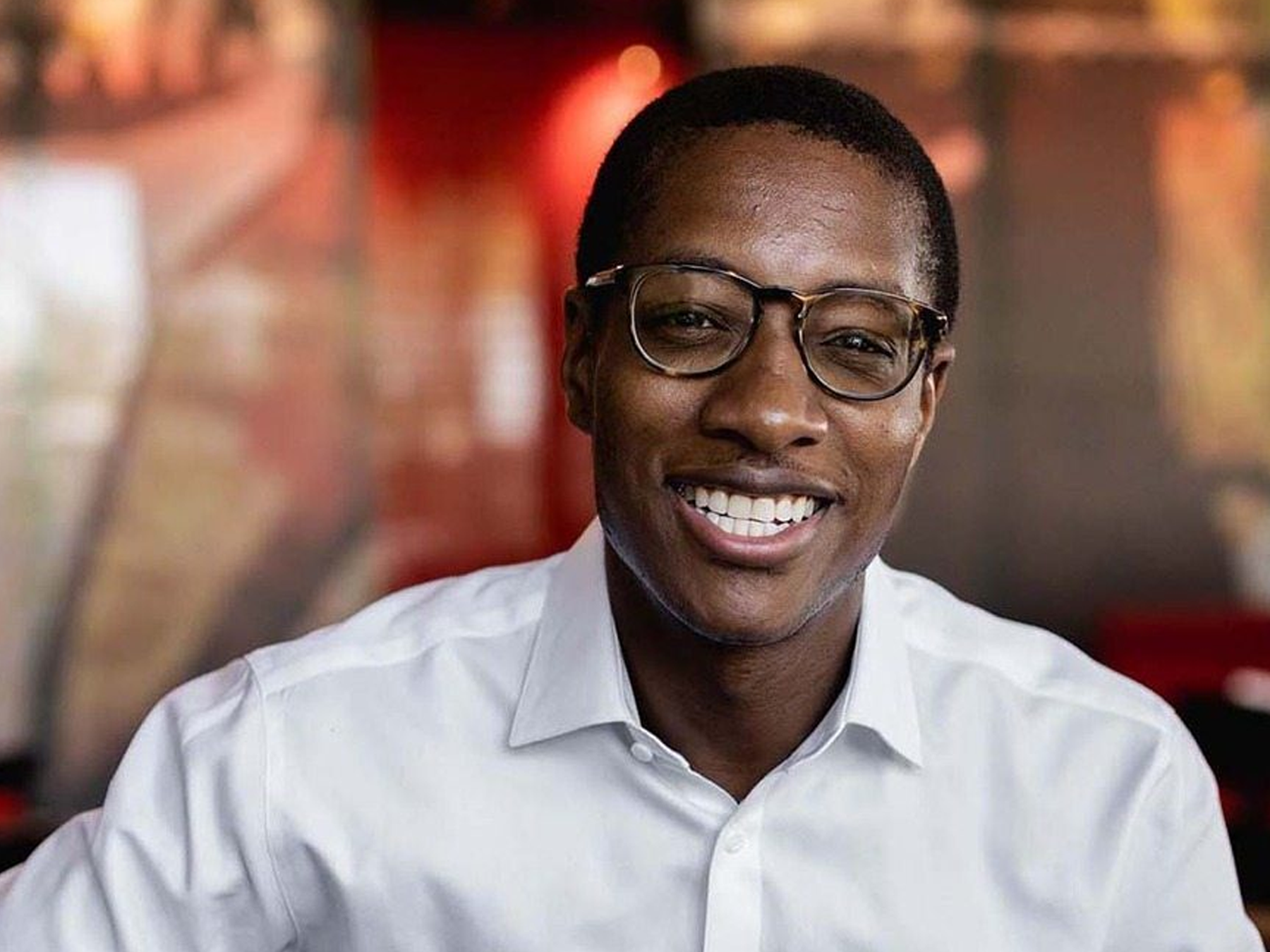
When Damola Adamolekun stepped into Red Lobster after its 2024 bankruptcy, he didn’t just inherit financial distress. He inherited exhaustion, confusion, and broken trust. This wasn’t only a balance sheet problem — it was a people problem. Instead of rushing into drastic cuts, he started with listening. He walked locations, asked questions, and acknowledged what employees were carrying. Many were simply “beat down.” That honest reset created space for real rebuilding to begin. People First — Because Culture Drives Performance Adamolekun treated employees as partners in the turnaround, not as line items. Town halls, conversation, training, and performance incentives restored dignity and ownership. As morale improved, customer experience improved. Recovery didn’t begin with marketing campaigns — it began with people feeling valued again. Restoring Order Before Chasing Growth Red Lobster’s decline had grown over time through high leases, outdated systems, and inconsistent operations. Adamolekun moved decisively but with discipline: renegotiating costly leases trimming unnecessary overhead tightening financial controls modernizing technology and data Speed mattered — but structure mattered more. Stability became the foundation for everything that followed. Modernizing Without Losing the Brand With systems stabilized, innovation was intentional. Menu refreshes, updated presentation, and more accessible pricing brought new energy while honoring the classics guests still love. The goal wasn’t reinvention — it was relevance. Innovation supported the mission instead of replacing it. Culture First. Numbers Next. Projected profitability by 2026 signals more than a financial comeback. It reflects alignment returning across the organization — stronger systems, motivated teams, and customers reconnecting. True turnarounds rarely start in spreadsheets. They begin with clarity, trust, and disciplined execution — and then the numbers follow. Leadership With Courage and Care At just 36, Adamolekun models a leadership style rooted in empathy and decisiveness. He acknowledged pain, took ownership, made difficult choices, stayed visible, and invited people back into purpose. He recognized that morale isn’t “extra.” It is infrastructure. Learnings / Takeaways Repair trust before fixing strategy. People cannot perform in survival mode. Morale is operational. Respected teams deliver better service and stronger results. Discipline beats drama. Order and systems must precede aggressive growth. Innovate thoughtfully. Refresh the experience without abandoning the brand’s core. Culture drives outcomes. Healthy organizations produce healthy numbers.
By Kim Anthony November 24, 2025
AStory of Representation, Innovation, and the Next Chapter of Urban Economic Power Magic Johnson Enterprises (MJE) has announced a powerful new chapter in its legacy of economic mobility and community-centered entrepreneurship: Alexia Grevious Henderson has been named President of Magic Johnson Enterprises, effective immediately. Her appointment signals more than a promotion — it represents a generational shift. It affirms the rise of a new class of visionary leaders who understand that wealth-building, community uplift, and strategic innovation must move together. A Leader Rooted in Excellence — and Built for Impact Since joining MJE in 2017 as Senior Manager of Marketing and Communications, Henderson has steadily advanced, proving herself to be a builder, a strategist, and a trusted architect of the MJE brand. Most recently, as Vice President of Strategic Partnerships and Marketing, she led: High-level corporate partnerships Fulfillment of national and global brand contracts Integrated marketing and communications efforts that expanded MJE’s influence and reach Under her leadership, MJE strengthened its position as one of the most respected vehicles for community-driven economic growth. Magic Johnson himself affirmed her brilliance: “Alexia is one of the brightest young minds in business today. Her leadership and creativity have elevated our brand, our partnerships, and our mission.” Her track record reflects what the Urban Enterprise Framework celebrates: excellence, service, access, and the advancement of historically underestimated communities. A Career Anchored in Purpose Before MJE, Henderson gained experience with the Washington Commanders (formerly the Redskins) and began her career with the NCAA in Indianapolis. Her work and reputation have earned her national recognition, including being named: Sports Business Journal’s “30 New Voices Under 30” Diverse Representation’s “Top Ten to Watch” Beyond corporate success, she serves on the board of A.Bevy, an arts and education nonprofit helping young adults find clarity in their passion, path, and purpose — embodying the Urban Enterprise principle that leadership is service. A Powerful Representation Moment for Urban America The Urban Enterprise Framework recognizes milestones like this as more than professional wins — they are community wins. Henderson’s presidency represents: A breakthrough for women in the C-suite leadership A breakthrough for Black leaders shaping national economic strategy A breakthrough for the next generation for urban innovators and changemakers Rooted in Community, Positioned for Global Impact A native of Fort Mill, South Carolina, Henderson is a graduate of Clemson University and holds an MBA from Pepperdine University. She now resides in Los Angeles with her husband, Aaron — the heart of a city where entrepreneurship, entertainment, and community-driven innovation intersect. About Magic Johnson Enterprises Founded by Earvin “Magic” Johnson, MJE is a diversified investment company committed to lifting communities through strategic partnerships across entertainment, sports, technology, real estate, and more. Its work aligns deeply with the Urban Enterprise Framework: building access, expanding ownership, and driving economic mobility in urban and underestimated communities.

Marketing, Branding & Visibility

By Kim Anthony January 1, 2026
Branding in 2026 is no longer just about design or clever taglines. It has evolved into identity, credibility, relationship, and opportunity. For many founders who have had to push harder to be recognized and taken seriously, branding has become a true strategic advantage. Customers are paying attention in new ways — not only to what businesses sell, but to who leads them, what they believe, and how consistently they show up. They are craving authenticity, alignment, and meaning. 1. Founder visibility moves center stage. More than ever, people want to see the human being behind the brand. They want to understand the “why,” the values, and the journey. Entrepreneurs who share their stories, speak publicly, write, teach, and invite others into behind-the-scenes moments develop deeper trust. In a skeptical marketplace, a real, relatable presence becomes one of the strongest branding tools available. 2. Small communities become more powerful than big audiences. Instead of chasing viral moments or massive follower counts, more founders are building intentional spaces — memberships, masterminds, close-knit email lists, and digital communities where conversations feel personal. These communities foster resilience, referrals, support systems, and shared opportunity, creating stronger brands than social feeds alone ever could. 3. Cultural storytelling becomes strategic advantage. Brands that are rooted in lived experience, heritage, neighborhood, and authentic personal history stand out. Whether through food, fashion, wellness, education, or media, stories anchored in truth create connection. Real stories are no longer optional — they are becoming the heartbeat of strong brands. 4. AI becomes a creative partner instead of a replacement. Technology is accelerating branding, especially through AI tools that help with brainstorming, research, writing, and design. But the brands that rise to the top pair technology with humanity — adding nuance, emotion, and voice. Leaders who use AI thoughtfully gain efficiency without losing authenticity. 5. Trust and credibility become the new currency. With so much noise online, people naturally ask why they should believe what they see. Certifications, media features, speaking appearances, testimonials, awards, published content, and strong partnerships all serve as signals that a brand is real, reliable, and capable. These credibility markers open doors that talent alone cannot. 6. Alignment matters more than aesthetics. A beautiful logo or sleek website cannot compensate for misalignment. When messaging, visuals, pricing, customer experience, and leadership behavior match, trust deepens. When they don’t, audiences feel the disconnect and quietly disengage. Alignment is becoming one of the quiet superpowers of strong brands. 7. Thought leadership becomes a growth engine. Consumers no longer want only products — they want perspective. Entrepreneurs who share insights, create frameworks, challenge assumptions, and lead meaningful conversations become recognized as authorities. Their businesses grow because their thinking helps people make sense of their world. 8. Collaboration replaces competition as the default strategy. More entrepreneurs are choosing to partner instead of compete. Co-branded events, shared offers, podcast swaps, cross-promotions, and ecosystem partnerships allow brands to multiply visibility and impact. Collaboration signals confidence and creates opportunities none of the partners could access alone. 9. Purpose-driven branding rises to the forefront. Customers increasingly want to know what a business stands for — who it serves, why it matters, and how it contributes to something larger than profit. When purpose is authentic and clearly communicated, it attracts loyalty and deeper engagement. Purpose provides clarity, and clarity attracts the right people. 10. The health of the leader shapes the health of the brand. There is growing recognition that burnout shows up everywhere — in messaging, marketing, customer experiences, and decision-making. Rest, boundaries, mentorship, team support, and sustainable systems are now part of serious branding conversations. A grounded leader creates a grounded brand. In 2026, branding is not about shrinking to fit someone else’s expectations. It is about honoring your story, your excellence, and your voice — and allowing your business to reflect that truth. When entrepreneurs build brands with clarity, courage, and alignment, they don’t just compete. They create legacies.
By Kim Anthony December 31, 2025
How simplifying your message can double clarity, engagement, and sales Most brands don’t struggle because they lack greatness. They struggle because they’re crowded. Over time, businesses accumulate messages the way closets accumulate clothes. A tagline gets added. A new offer appears. A side project becomes part of the main pitch. Before long, what once felt clean and focused becomes layered, busy, and hard to process. When customers say, “I’m not quite sure what you do,” it can sting — but it’s also an invitation. Not to add more. To clear space. Clarity rarely comes from expansion. Clarity almost always comes from subtraction. When brands first start, the message usually feels sharp and direct. But growth brings opportunities — and with opportunities comes complexity. You begin serving more types of clients. You test different services. You create multiple programs. Each one feels important, so instead of choosing, you start stacking. Eventually you find yourself saying too much, too fast, to too many people. The irony is that the more you try to explain, the harder it becomes for anyone to understand. If People Can’t Repeat It, They Can’t Remember It A powerful brand can usually be repeated in one simple sentence. Not a paragraph. Not a presentation. A sentence: “I help small businesses organize their finances.” “We teach busy professionals how to get healthy.” “We create spaces where leaders can grow.” When someone hears that kind of clarity, they immediately know where you belong in their brain. But when your explanation sounds like, “Well, I do consulting, coaching, speaking, facilitation, retreats, courses, workshops, and I also have a podcast,” people start mentally backing away. Not because you aren’t capable — but because the human brain needs anchors, not avalanches. The more simply you describe what you do, the more room your audience has to imagine themselves working with you. Complexity feels impressive to us. Simplicity feels reassuring to them. Too Many Offers Create Decision Fatigue Another reason brands feel crowded is the desire to give people options. On paper, options seem generous. In reality, too many options paralyze people. When someone visits a website and sees multiple buttons, multiple packages, multiple directions, and multiple types of clients served, they begin to wonder whether any of it is actually meant for them. Instead of feeling invited, they feel uncertain — and uncertainty rarely buys. Decision fatigue is real. When choosing feels like work, people delay. And when they delay, they often disappear. Fewer, clearer pathways create momentum. They move people through an experience instead of dropping them into a maze. Simplifying isn’t losing money. It’s guiding attention where it matters most. Your Audience Doesn’t Need Everything — They Need the Right Thing Many overcrowded brands are built from a good heart. You want to help. You have experience. You’ve learned so much, and you want to share all of it. But when you try to solve every problem, your brand stops standing for anything specific. People don’t hire “general capability.” They hire meaningful outcomes. They want to feel less overwhelmed, more confident, more organized, more profitable, more fulfilled — whatever transformation you specialize in. When you boldly name that transformation, you give your brand a spine. Everything else becomes supporting material rather than the main message. You don’t have to stop offering multiple services. You simply have to choose which one becomes the doorway people enter through. Once they trust you, they’ll discover the rest. Simplification Builds Trust An overcrowded message can accidentally sound like you’re trying to prove yourself. The tone shifts from grounded to grasping. On the other hand, simplified branding communicates assurance. It tells people, “We know exactly who we are and where we create the greatest impact.” Clarity feels like leadership. Leadership creates safety. And safety is what allows people to invest. This is why simplifying often results in more sales, not fewer. When people sense certainty, they relax. They stop questioning whether they’re making the right choice. Simplicity doesn’t dull your brilliance — it reveals it. The Three-Question Reset Whenever your message starts feeling heavy or scattered, returning to a few core questions can quietly recalibrate things. Ask yourself what you truly want to be known for if you could only choose one thing. Ask which offer consistently creates the best results, not merely the highest volume of activity. And finally, ask what single sentence you’d like someone to repeat about your work after they leave a conversation with you. Those answers usually tell the truth faster than any branding exercise. Everything that doesn’t align with those answers may still have value — but it no longer leads the brand. It becomes supportive instead of central. This is where freedom appears. Simplifying is not erasing parts of yourself. It’s arranging the pieces so people can actually see you. Simplifying Is Not Dumbing Down There’s often a quiet fear that simplifying will make our work sound shallow. But the opposite is true. Simple messages make room for depth. They give you space to tell stories, share insights, and invite people deeper once they’re inside your world. Complicated branding exhausts people before they ever get close enough to appreciate what you do. The most sophisticated brands in the world use remarkably simple language. Not because they lack depth — but because they know clarity is a form of respect. The Bottom Line Your brand likely isn’t confusing. It’s simply overcrowded. Over time, ideas piled up, directions multiplied, and suddenly the message became harder to hear. The good news is that clarity is always recoverable. It returns the moment you choose what matters most and let everything else take a respectful step back. When you simplify, people find you faster. They understand you quicker. They trust you more deeply. And when trust rises, engagement and sales naturally follow. Growth, in many cases, isn’t about building more layers. It’s about finally saying: “This is who we are. This is what we do best. This is who it’s for.” And letting the confidence of that simplicity carry your work forward.
By Kim Anthony December 30, 2025
There was a time when content creation seemed like something that belonged almost exclusively to influencers. Beauty gurus filmed tutorials in flawless lighting. Lifestyle creators curated every corner of their homes. Travel bloggers documented every glamorous destination. The internet felt like one giant stage, and the people on it appeared to live there full time. For many traditional business owners, it seemed like another world entirely — entertaining, maybe even impressive, but unnecessary. After all, they reasoned, “I run a real business. I don’t need to be on camera.” But the landscape has changed. Content creation is no longer about spectacle. It has become how people learn about the world, evaluate businesses, decide who to trust, and choose where to spend their money. Today, content isn’t a trend or a gimmick. It functions as your digital storefront, your introduction, and in many cases your first impression. Before anyone calls a plumber, hires a coach, books a therapist, chooses a realtor, signs up for a class, or schedules a consultation, they almost always do research first. They Google. They search social platforms. They look for signs of life. They want to see if you explain things clearly, if you seem approachable, and if you appear to know what you’re talking about. They are less interested in polished slogans and more interested in whether you feel trustworthy. This is where content creation becomes powerful. It is no longer simply performance; it is proof. Short videos, thoughtful posts, simple explainers, and behind-the-scenes glimpses quietly communicate, “This is who we are. This is how we work. This is how we take care of people.” Content allows customers to meet you before they meet you. It reduces uncertainty and lowers anxiety. In industries where trust matters — which is most of them — that confidence is everything. The businesses thriving today are often not the ones shouting the loudest, but the ones teaching generously. When a bakery explains why certain ingredients matter, when a contractor talks through what homeowners should ask before beginning a project, when a financial advisor breaks down a complicated concept into something understandable, they are not giving away secrets. They are building credibility. Education builds memory, and memory builds loyalty. People come back to the businesses that helped them understand something. A surprising truth has also emerged: audiences no longer expect perfection. What once felt like the standard — airbrushed photos, elaborate sets, scripted dialogue — now often feels distant and less believable. What people actually want to see is reality: the team that shows up every day, the imperfect workroom, the process that takes effort and care, the moments when something goes wrong and gets fixed. Authenticity has replaced performance as the most valued ingredient in digital communication. The video filmed on a cell phone in natural light can communicate more sincerity than a highly produced commercial, precisely because it feels human. For traditional businesses, content is also about building a relationship before a sale ever happens. When people feel as if they already know your voice, understand your approach, and have seen your values in action, they approach you differently. They come with trust instead of suspicion. They show up warmer, more open, and more ready to collaborate. Marketing, in this sense, becomes less about persuasion and more about connection. The good news is that content creation does not require you to become an influencer. You do not need to post constantly or appear everywhere at once. What matters most is choosing a space where your customers actually spend time and committing to show up there consistently with purpose. Even a steady rhythm of thoughtful content creates momentum. Over time, it becomes a library — a living archive of your experience, your approach, and your expertise. The shift we are witnessing is simple but profound: content is no longer just entertainment. It has evolved into reputation, accessibility, and modern customer service. It levels the playing field for small businesses, service providers, professionals, and organizations that once relied solely on word of mouth. Now, word of mouth travels through screens. So when business owners say, “Content creation isn’t for businesses like mine,” they are usually thinking about what it used to be. Today, it is something else entirely. It is a way of saying, “Here we are. This is how we work. This is what we care about.” And the people who need you are already looking — quietly assessing, quietly choosing. Content doesn’t make a business real. It helps the right people find the businesses that already are.

Media, Tech & Entertainment

By Kim Anthony December 30, 2025
When Keith Lee stepped onto the Hollywood Palladium stage to accept TikTok’s first-ever U.S. Creator of the Year Award, it wasn’t about fame. It was about proof. Proof that when everyday people use platforms with purpose, they can change the economic future of entire neighborhoods. “I never in a million years thought I’d be standing on this stage.” — Keith Lee Lee, known for his quiet humility and honest food reviews, has unintentionally become one of the most influential advocates for independently owned restaurants across the country. His videos don’t shout. They don’t perform. They simply tell the truth — and people listen. Lines grow. Registers ring. Doors stay open. Platform + Purpose Lee’s rise didn’t just give him attention. It gave him responsibility. He describes TikTok not as a stage, but as a gateway: to elevate hidden gems to restore hope to small business owners to remind the internet that community matters “TikTok gave me a platform to show small businesses around the country.” — Keith Lee Even in the middle of the applause, Lee admitted something deeply human: “It’s hard to do something for myself, because I always put other people first — but this is for me.” Beside him was his wife, Ronni — the person who first encouraged him to start posting reviews. One simple nudge became the spark that changed lives. Why This Matters for Our Communities Keith Lee’s journey mirrors the heart of our work: Visibility creates opportunity Digital storytelling drives economic mobility Trust is a growth strategy Compassion can be an engine for commerce This is enterprise with a conscience — and it works. A New Era of Influence T he TikTok Awards — themed “New Era, New Icons” — highlighted creators using influence to shape culture, business, and connection. The honorees included: Jeremiah Brown — Rising Star, expanding conversations around books & community; Mariah Rose — MVP of the Year, bringing fresh voice to sports storytelling; and singer Ciara headlined the evening, celebrating the creators reshaping the way culture travels. And in true alignment with Lee’s mission, host LaLa Anthony announced a $50,000 donation to Feeding America — linking recognition to real-world impact. Lessons Entrepreneurs Can Take From Keith Lee Be honest. People trust authenticity. Focus on service — not spotlight. Use your platform to lift others. Let your values shape your visibility. You don’t need millions of followers to make a difference. You need integrity — and consistency. Bigger Thank an Award Keith Lee’s success isn’t a celebrity headline. It’s a blueprint. His work shows us: ordinary people can become economic catalysts purpose travels farther than popularity when community wins, everybody wins He didn’t build influence for attention. He built impact by paying attention. And that is exactly the future we believe in — one where tech, storytelling, and heart come together to create opportunity “When we use our voice to uplift others, everybody rises.”    Photo Credit: CBS 42 Louisiana
By Kim Anthony December 29, 2025
iHeartMedia, the #1 audio company in America, announced today that it has extended its relationship with the culture-shifting multimedia mogul Charlamagne Tha God, co-host of iHeartMedia New York's Power 105's wildly popular and nationally syndicated hit radio show "The Breakfast Club," heard by over 7 million listeners monthly and founder of The Black Effect podcast network. One of the world’s most well-informed, authoritative and distinctive media personalities, Charlamagne Tha God has become a crucial and influential voice in American culture. Under the new multi-year agreement, Charlamagne will continue his uninhibited trademark interview style on the award-winning “The Breakfast Club” radio show, where he has long been recognized for his relentless effort to unveil truth by asking the questions audiences want to hear most, weekdays from 6-10:00 a.m. EST, as well as “Weekends with The Breakfast Club,” alongside co-hosts DJ Envy, Jess Hilarious and Loren LoRosa . "When it comes to iHeartMedia, gratitude will always be my attitude. They’ve created space for me to grow not just as talent, but as an executive and true partner through The Black Effect Podcast Network,” said Charlamagne Tha God. “To say that I’m thankful is an understatement. iHeart is the biggest and best audio company on the planet and audio is the foundation on which the whole media conglomerate will be built. Podcasting, live events, TV/film and documentaries, the sky is the limit for where we are going; and radio will always be at the core of it. Here's to a new era of growth, impact, and prosperity.” “The Breakfast Club,” celebrating its 15-year milestone this month, has become the bullhorn for modern culture and is widely regarded as the most informative and entertaining top-rated contemporary Hip-Hop/R&B morning show today. Charlamagne Tha God and his co-hosts DJ Envy, Jess Hilarious, and Loren LoRosa are known for their unrivaled interviews with celebrities and recording artists. Esteemed guests who have appeared on the show include former President Barack Obama, former President Joe Biden, former Vice President Kamala Harris, Jay-Z, Cardi B, Kendrick Lamar, Kevin Hart, Snoop Dogg, Future, 50 Cent, Lizzo, Will Smith, Alicia Keys and many more. The crew also hosts “Weekends with The Breakfast Club,” a 3-hour weekly program featuring a countdown of the top 20 songs on the charts and signature interviews. Charlamagne Tha God and “The Breakfast Club” were inducted into the Radio Hall of Fame in 2020. “Charlamagne has been a transformative voice in audio, redefining what it means to create content that sparks dialogue and drives cultural change. Through The Breakfast Club and his growing podcast network, he’s amplified diverse voices, tackled tough conversations, and built platforms that continue to resonate with audiences nationwide,” said Rich Bressler, President & COO for iHeartMedia. "His influence has helped shape the future of audio and we’re energized by what lies ahead and appreciate his ongoing trust in iHeart.” Charlamagne Tha God was represented by Ted Chervin at CAA, with legal counsel provided by Loan Dang of Del Shaw Moonves Tanaka Finkelstein Lezcano Bobb & Dang. Financial strategy and advisory were led by Humble Lukanga and Laura Rutebuka of Lifeline Financial Group. The agreement was developed in close partnership with Charlamagne’s longtime business partner Karen Kinney of KK Entertainment & Media. Additionally, iHeart and Charlamagne will continue to partner on the historic joint venture, The Black Effect Podcast Network -- the world’s largest podcast publisher dedicated to Black listeners, bringing together the most influential and trusted voices in Black culture for stimulating conversations around social justice, pop culture, sports, mental health, news, comedy and more. Launched in 2020 and curated by Charlamagne himself, The Black Effect has debuted 60+ shows -- generating 11 million monthly downloads and features a luminous roster of marquee talent and influential voices committed to enlightening, educating and entertaining audiences. Earlier this year, “The Breakfast Club” replay podcast -- which served as the flagship show for the launch of The Black Effect Podcast Network – surpassed one billion downloads, joining a very short list of podcasts to reach this impressive milestone. About Charlamagne Tha God Lenard “Charlamagne Tha God” McKelvey is a multimedia mogul, Radio Hall of Fame inductee, and New York Times bestselling author who has spent nearly two decades shaping American culture. He is the co-host of iHeartMedia’s nationally syndicated The Breakfast Club , heard by more than 7 million listeners monthly and widely regarded as the most influential Hip-Hop and R&B morning show in the country. Known for his fearless interview style, Charlamagne has led headline-making conversations that spark cultural dialogue and tackle tough, timely issues. He is the founder of The Black Effect Podcast Network, a joint venture with iHeartMedia and the world’s largest podcast network dedicated to Black audiences, which has launched more than 60 shows and reaches over 11 million monthly downloads. He also founded Southland Stories, a film production company created to spotlight authentic, impactful storytelling. Outside of media, Charlamagne established the Mental Wealth Alliance to advance mental health awareness and provide resources in underserved communities. About iHeartMedia iHeartMedia, Inc. [Nasdaq: IHRT] is the leading audio media company in America, with nine out of ten Americans listening to iHeart broadcast radio in every month. iHeart’s broadcast radio assets alone have a larger audience in the U.S. than any other media outlet; twice the size of the next largest broadcast radio company; and over four times the ad-enabled audience of the largest digital only audio service. iHeart is the largest podcast publisher according to Podtrac, with more downloads than the next two podcast publishers combined, has the most recognizable live events across all genres of music, has the number one social footprint among audio players, with five times more followers than the next audio media brand, and is the only fully integrated audio ad tech solution across broadcast, streaming and podcasts. The company continues to leverage its strong audience connection and unparalleled consumer reach to build new platforms, products and services. Visit iHeartMedia.com for more company information. Photo Credit: Prince Williams/Getty Images
By Kim Anthony December 2, 2025
AIDigiTales and the AI for KIds Podcast: Demystifying AI for the Next Generation 

Stay Connected


Until the podcast launches, stay plugged in:

Contact Us

Recent Stories

By Kim Anthony January 1, 2026
For years, entrepreneurship praised the founder who could reinvent everything at a moment’s notice. The message was clear: stay flexible, pivot fast, change direction as often as necessary, and somehow the breakthrough would appear. Many people built survival on that skill. They learned to adjust when doors closed, when opportunities weren’t equal, when the plan didn’t work the first time. Reinvention became a way of staying afloat. But as we move through 2026, a different truth is beginning to emerge. The entrepreneurs gaining real traction are no longer the ones constantly starting over. They are the ones who stop scattering their energy and begin refining what already works. Instead of creating new lanes every few months, they choose one, strengthen it, deepen it, and let it mature. They discover that progress doesn’t always mean doing something new — sometimes it means doing something familiar with greater clarity, confidence, and excellence. Pivoting still has its place. Sometimes strategy really must shift. Conditions change, industries evolve, technology resets everything, and adaptation remains necessary. But pivoting as a lifestyle creates instability. When everything is always new, nothing ever has time to root. Every reinvention requires new branding, new storytelling, new systems, new audiences, and new emotional effort. Living in constant restart mode drains momentum. Eventually, the business feels like a collection of beginnings rather than a sustained journey toward mastery. In 2026, wisdom looks different than it once did. It is less about speed and more about steadiness. Instead of running toward every opportunity, focused entrepreneurs slow down long enough to ask whether the opportunity actually belongs to them. They recognize that not every trend deserves their attention. AI tools rise. Digital platforms expand. New marketing tactics promise instant success. And yet, the founders who are growing most meaningfully are not the ones chasing everything — they are the ones staying grounded in the work that truly aligns. Depth has become more powerful than distraction. There is something magnetic about a business that knows who it is and remains faithful to its identity. When a founder shows up consistently in the same lane, people begin to trust them. Over time, reputation forms. Word-of-mouth strengthens. Clients return because they recognize quality and commitment. What once felt narrow reveals itself as strength. The more deeply you plant, the wider your roots spread. This is why focus is not restriction — it is liberation. When you choose direction, your mind quiets. Decisions stop feeling chaotic. Messaging becomes clearer. Operations can finally stabilize. Instead of constantly rewriting your story, you allow your story to mature. Your calendar becomes intentional rather than frantic. Your identity as a business becomes recognizable, not blurry. Focus removes clutter and gives your effort a home. For many entrepreneurs, especially those who have had to operate in survival mode, narrowing feels risky. There is an instinct that says, “If I don’t do everything, I might miss something.” That instinct came from real experience. But 2026 invites a different kind of trust — trust that your work deserves depth, trust that commitment creates growth, and trust that excellence requires time. Mastery is not about doing more; it is about doing what matters with increasing skill and integrity. The future will not reward endless dabbling. It will reward builders — people who stay long enough to refine, improve, and evolve. Focus gives your business the stability needed to build legacy instead of just movement. It turns scattered effort into meaningful direction. It allows clients to recognize your voice, your values, and your contribution. And perhaps most importantly, focus allows you to breathe. When you stop chasing everything, you finally have the space to become who you are meant to be in business — grounded, confident, steady, and ready for the kind of growth that lasts. Because in 2026 and beyond, focus is not limitation. Focus is liberation.
By Kim Anthony January 1, 2026
In communities across America, Black women are not just starting businesses — they are moving economies, shifting industries, and redefining what resilience looks like. According to Wells Fargo’s landmark study, The 2025 Impact of Women-Owned Businesses, Black/African American women entrepreneurs now operate nearly 2 million businesses, employing 647,000 people and generating $118.7 billion in revenue. These aren’t side hustles. They are engines — for families, neighborhoods, and the nation. And the report makes one truth undeniable. Closing the opportunity gap for Black women entrepreneurs isn’t charity. It’s economic strategy. Closing the Parity Gap Could Add Trillions Despite extraordinary gains, Black women still face higher barriers to capital, mentorship, networks, and procurement pipelines. Wells Fargo estimates that if Black/African American women entrepreneurs generated revenue on par with male-owned businesses, the nation could see up to $1.7 trillion added to the economy. The potential is not hypothetical — it is measurable. Policies that address wage inequities, expand access to capital, increase training opportunities, and open professional networks are essential. When these supports exist, the study shows, Black women entrepreneurs do far more than survive. They scale. They hire. They build wealth that ripples through generations. Capital is Expanding — and Awareness Must Catch Up Encouragingly, the financial landscape is widening. Wells Fargo highlights that more women are leveraging diverse financing pathways — particularly those designed with equity in mind. Among the most promising: Community Development Financial Institutions (CDFIs) Approval rates comparable to traditional lenders A 40% increase in certified organizations since 2018 Technical assistance + affordable capital bundled together The Wells Fargo “Open for Business” Initiative Flexible capital — grants, low-cost loans, forgiveness options — paired with capacity-building support helps women-owned businesses stabilize, grow, and create jobs, especially in underserved communities. SBA Lending Gains Women’s share of SBA loans has grown from 15.6% to 21.3% — a meaningful jump. Investment Crowdfunding A lifeline for founders outside major financial hubs, with 70% of capital coming from beyond the top 10 U.S. markets. State Small Business Credit Initiative (SSBCI) A $10 billion Treasury program unlocking private investment with a bold vision — including dedicated funding for equitable entrepreneurship through the Initiative for Inclusive Entrepreneurship. The opportunity — and the challenge — is awareness. Women must know which financial tools fit their stage and strategy, and ecosystems must ensure these resources remain accessible. Procurement: The Billion-Dollar Doorway When corporations and governments intentionally source from Black women-owned firms, the impact is exponential. Revenue grows. Jobs follow. Supply chains strengthen. Inclusive procurement isn’t just about fairness — it makes economies more competitive. Culture, Community, and Commerce Black women-owned businesses do something uniquely powerful: they build solutions from cultural insight. From beauty and wellness to technology, food, fashion, and media, these businesses grow from deep community understanding — and often expand into mainstream markets. They carry heritage. They create belonging. And increasingly, they shape national consumer trends. Building Ecosystems — Not Just Enterprises To truly unlock potential, the report calls for intentional infrastructure: Technology hubs and incubators Affordable marketplaces Co-working spaces designed for women founders Stronger public–private partnerships Investment in digital and physical infrastructure — including rural regions Fair, transparent lending practices Because entrepreneurship doesn’t flourish in isolation — it thrives in ecosystems. When Black women succeed in business, communities stabilize, families thrive, and the entire economy rises.
By Kim Anthony December 31, 2025
When Venus and Serena Williams stepped onto a tennis court decades ago, they didn’t simply play the game—they changed it forever. With every serve, every championship, and every barrier broken, they reminded the world that greatness refuses limitation and does not wait for permission. Now, they’ve made history once again—this time not in Wimbledon whites, but in ownership seats and billion-dollar boardrooms. Venus and Serena are the first Black women to own a stake in an NFL franchise, becoming investors in the Miami Dolphins—currently valued at more than $4.6 billion. This moment isn’t just a headline. It’s a statement. About possibility. About access. And about the evolving definition of leadership. From Courtside to Boardroom NFL ownership has historically been inaccessible to women—especially Black women. For two sisters who grew up in Compton, shaped by discipline, resilience, and unwavering belief, to sit at that table is monumental. This move signals more than participation—it signals transformation. They’re not just influencing sports on the field; they’re positioning themselves in the rooms where media, revenue, strategy, and power are negotiated. This is what it looks like when leadership moves from being the face of a sport to being architects of its future. Impact doesn’t retire. It reinvents itself. The Legacy They Continue to Build Venus and Serena have always been more than athletes. Their lives reflect a portfolio of brilliance—fashion, venture capital, wellness, philanthropy, and storytelling. Their investment in the Dolphins fits a pattern: they don’t simply enter industries; they elevate them. They didn’t just show the world what excellence looks like. They are showing the world what ownership looks like. And in their footsteps, a new generation is learning that greatness isn’t confined to a profession—it’s expressed through every arena you dare to enter. Lessons From the Williams Way Their journey offers timeless principles for emerging leaders, innovators, creators, and community-builders: Play with power and plan with purpose. Whether on the court or in corporate negotiations, every step reflects intention. Diversify your legacy. Mastery in one space is the beginning—not the destination. Representation is a form of leadership. When we see it, we believe it is possible. Ownership is influence. And influence shapes culture, economics, and opportunity. Not Just First—Foundational Venus and Serena aren’t simply breaking records; they’re building a new frontier—one where Black women take their rightful place as investors, leaders, and owners in one of America’s most powerful institutions: the National Football League. The Williams sister have always played to win. Now, they are playing to lead. And if history has taught us anything, it’s this: when the Williams sisters step forward, they don’t just open doors—they leave them open for everyone coming behind them.
By Kim Anthony December 31, 2025
For California entrepreneurs seeking an edge in the state procurement marketplace, certification through the California Department of General Services (DGS) remains one of the most effective ways to increase visibility, access contracting opportunities, and compete more fairly for government contracts. DGS’s Office of Small Business and Disabled Veteran Business Enterprise Services (OSDS) oversees certification for both Small Business (SB) and Disabled Veteran Business Enterprise (DVBE) designations — and understanding how to apply or re-apply is essential for business growth. What the SB and DVBE Certifications Do The SB and DVBE certification programs are designed to promote and increase participation by small businesses — including veteran-owned firms — in state contracting. Certification can help businesses: Appear in the official California certified vendor directory used by state agencies and prime contractors Be considered for direct contracting opportunities through the SB/DVBE Option Participate in solicitations with bid preferences or incentive programs Expand access to state procurement markets worth billions annually Certification also supports broader policy goals: California law calls for specific participation targets — such as a 3% DVBE participation requirement on many state contracts — and agencies seek to maximize involvement from certified firms. Who Qualifies for SB and DVBE Certification Small Business (SB): To qualify as a certified small business in California, a firm must be independently owned and operated, meet state revenue size standards, and have its principal office in California. For most SB applications, average gross annual revenues over the previous three years must fall below the threshold defined for the business’s industry category. Disabled Veteran Business Enterprise (DVBE): DVBE certification is specifically for businesses owned by disabled veterans. To qualify, the business must meet several requirements: At least 51% owned by one or more disabled veterans Disabled veteran(s) must be actively managing and controlling the day-to-day operations and decision-making The veteran(s) must have a service-connected disability as verified by the U.S. Department of Veterans Affairs (typically at least 10% disability) The firm’s home office must be located in the U.S. and properly registered to do business in California For certain business structures such as LLCs, the entity may need to be wholly owned by qualifying disabled veterans These requirements, set out in DGS’s certification criteria, ensure that only legitimate disabled veteran-owned businesses receive DVBE certification and access to corresponding opportunities. How to Apply or Re-Apply 1. Register on Cal eProcure All certification applications are submitted through Cal eProcure — California’s online procurement portal. Businesses must first create or update their profile on the system before beginning the certification process. 2. Complete the Certification Application Once registered, log in to Cal eProcure and navigate to the Small Business/DVBE services section. Select the appropriate certification type — SB, DVBE, or both — and complete the questionnaire. Applicants need to provide documentation supporting ownership, structure, financials, veteran disability status, and control of the business. 3. Upload Required Documentation Required attachments typically include tax returns, ownership agreements, veteran disability verification (e.g., VA award letter), government-issued IDs, and other supporting evidence. Ensuring files are complete and clearly labeled reduces processing delays. 4. Submit and Monitor Status After submission, the Office of Small Business and DVBE Services reviews the application. Processing times vary but generally range from a few weeks to a couple of months depending on workload and completeness of the submission. 5. Renew on Time Certification is typically valid for two years and must be renewed before expiration. Re-application requirements mirror the initial application process, and businesses should begin renewal well before their current certifications lapse. Why Certification Still Matters For many California vendors, SB and DVBE certifications unlock opportunities that would be difficult to access otherwise. Certified firms are more likely to be considered for: State agency contracts and solicitations that prioritize or require certified vendors SB/DVBE Option contracts, where state agencies can award directly to certified firms Prime contractor subcontracting goals, particularly for DVBEs Educational and outreach events that connect vendors with buyers and procurement professionals Certification also supports compliance with state procurement goals — such as the minimum DVBE participation rate of 3% in many solicitations — meaning agencies and primes actively seek certified DVBEs as part of responsible bidding. Getting Support and More Information The DGS Office of Small Business and DVBE Services offers outreach, training, and assistance to help applicants successfully navigate the certification process. You can contact the office at (916) 375-4940 or via email at OSDSHelp@dgs.ca.gov for help with applications, renewals, or understanding program requirements. Whether you are applying for the first time or renewing your SB/DVBE certification, completing the process through Cal eProcure positions your business to compete more effectively in California’s public procurement landscape. Certification opens doors — and in an increasingly competitive market, having that verified status can make a decisive difference.
By Kim Anthony December 31, 2025
There’s a certain kind of electricity that happens when Black women come together — the kind that lifts conversations, opens doors, and quietly shifts what’s possible. That energy is exactly what’s gathering in Los Angeles. As the new year begins, Kellie Todd Griffin — CEO of the California Black Women’s Collective Empowerment Institute — looked across the landscape and saw something beautiful rising: Black women founders, executives, innovators, dreamers, and doers… each building in her own lane, often quietly, often carrying more than the world will ever see. She picked up the phone. Soon, Sarah Harris of the Black Business Association said yes. Angela Gibson-Shaw of the Greater Los Angeles African American Chamber of Commerce said yes. Partners at Los Angeles Economic Development Corporation, Los Angeles South Chamber of Commerce, and others said yes, too. Not because it was another event. But because it was time. Time to gather the women who build. Time to create something rooted in sisterhood, not performance. Connection, not competition. Presence — not pressure. And so, SheBuildsLA was born.
By Kim Anthony December 31, 2025
Real estate development has long served as a powerful pathway toward wealth creation, influence, and community transformation—but BIPOC developers have historically faced limited access, systemic barriers, and a lack of industry entry points. The Emerging Developers Program (EDP) is working to change that narrative. Created to open doors for BIPOC developers and homeowners, EDP offers unparalleled education, mentorship, and practical resources designed to help participants turn property into prosperity—for themselves and for their communities. This program is not simply a course. It is a blueprint for economic empowerment, a launchpad for new developers, and a movement ensuring that the future of housing development includes the people most impacted by inequity. A Program Built for Aspiring and Advancing BIPOC Developers The Emerging Developers Program supports participants at all stages of their real estate journey. Whether individuals are new to development or currently managing projects, EDP equips them with the tools, strategies, and confidence needed to build careers in infill and single-family housing development. The program delivers: Virtual learning through an interactive Zoom-based experience A 3-month comprehensive curriculum, covering foundational principles through advanced development strategies A supportive community, including industry mentors and resources tailored to Black-led development firms Registration for Cohort 8 is coming soon, offering another opportunity for emerging developers to accelerate their skills and deepen their impact. As many graduates affirm, the Emerging Developers Program is transformative—providing knowledge and insights that empower participants to take on development projects they once viewed as out of reach.
By Kim Anthony December 31, 2025
When Thasunda Brown Duckett stepped into the role of president and CEO of TIAA, she wasn’t simply taking the helm of a financial institution—she was stepping into a national calling. Her leadership has consistently focused on expanding access, strengthening financial confidence, and ensuring that everyday people can retire with dignity. Now, she has been named to American Banker’s “Most Powerful Women in Finance” list—an acknowledgment of her bold leadership and her determination to make wealth-building attainable for every working American. Changing How America Retires When TIAA launched an IRA product designed to broaden access to lifetime income, the stock market was having one of its most volatile days. Investors were rattled, headlines were uncertain—but to Duckett, the moment only validated the importance of guaranteed income. “Guaranteed income isn’t a luxury—it’s a necessity,” she said, emphasizing that Americans deserve stability that isn’t dependent on market turbulence or economic swings. Her message is clear: security shouldn’t depend on timing—it should be built into the system. Expanding Access to Lifetime Income Duckett has led TIAA through major expansions, including entering the corporate 401(k) space—moving beyond its traditional base of nonprofit and university employees, and opening doors for millions more workers. With nearly half of Americans at risk of running out of money in retirement, she has called retirement security “a national imperative,” pushing the conversation from policy circles into living rooms, workplaces, and communities that often feel unprepared for the future. Public policy is responding. Nearly 20 states have introduced legislation to expand access to retirement plans, while national lawmakers consider automatic re-enrollment for workers who fall out of savings. Under Duckett’s leadership, TIAA is positioned not just to participate in these changes, but to drive them. Innovation With Purpose Duckett’s commitment to access extends to technology and partnerships. TIAA has invested in Vestwell, partnered with major recordkeepers, and launched a proprietary generative AI platform—TIAA GAIT—to empower its teams with faster insights and stronger decision-making tools. She isn’t just modernizing systems—she’s modernizing people. Through training initiatives like the Guild Network, thousands of employees are building new skills in technology and business processes, preparing the organization for a future shaped by AI. For Duckett, innovation isn’t about disruption—it’s about dignity, confidence, and opportunity. Leadership Beyond Wall Street Duckett recently joined a group of investors purchasing a minority stake in the WNBA’s New York Liberty—extending her influence into sports, culture, and representation. As a former student athlete, she believes athletics build leadership and community—not just championships. Her philanthropic work through the Otis and Rosie Brown Foundation continues this mission, celebrating everyday excellence and supporting families, students, and communities with access to education and opportunity. “Extraordinary is everywhere,” she says, “especially among those who create opportunities for others.” Lessons Emerging Leaders Can Learn 1. Access is power. Duckett’s leadership proves that expanding access expands possibility. 2. Dignity belongs in financial discussions. People deserve systems that support their future—not fear about it. 3. Innovation must include inclusion. Technology should lift people, not replace them. 4. Leadership is service. Real leaders build pathways so others can rise. A Leader Changing the Narrative Thasunda Brown Duckett is not simply leading an institution—she is reshaping how our nation prepares for the future. Her work reminds us that financial empowerment is not only about wealth; it’s about dignity, equity, and the chance to live a full life long after work ends. Her recognition is well deserved—but the true win is what it means for generations who will retire stronger because she decided to lead with vision, courage, and purpose. And that is the kind of leadership that transforms lives.
By Kim Anthony December 30, 2025
When Keith Lee stepped onto the Hollywood Palladium stage to accept TikTok’s first-ever U.S. Creator of the Year Award, it wasn’t about fame. It was about proof. Proof that when everyday people use platforms with purpose, they can change the economic future of entire neighborhoods. “I never in a million years thought I’d be standing on this stage.” — Keith Lee Lee, known for his quiet humility and honest food reviews, has unintentionally become one of the most influential advocates for independently owned restaurants across the country. His videos don’t shout. They don’t perform. They simply tell the truth — and people listen. Lines grow. Registers ring. Doors stay open. Platform + Purpose Lee’s rise didn’t just give him attention. It gave him responsibility. He describes TikTok not as a stage, but as a gateway: to elevate hidden gems to restore hope to small business owners to remind the internet that community matters “TikTok gave me a platform to show small businesses around the country.” — Keith Lee Even in the middle of the applause, Lee admitted something deeply human: “It’s hard to do something for myself, because I always put other people first — but this is for me.” Beside him was his wife, Ronni — the person who first encouraged him to start posting reviews. One simple nudge became the spark that changed lives. Why This Matters for Our Communities Keith Lee’s journey mirrors the heart of our work: Visibility creates opportunity Digital storytelling drives economic mobility Trust is a growth strategy Compassion can be an engine for commerce This is enterprise with a conscience — and it works. A New Era of Influence T he TikTok Awards — themed “New Era, New Icons” — highlighted creators using influence to shape culture, business, and connection. The honorees included: Jeremiah Brown — Rising Star, expanding conversations around books & community; Mariah Rose — MVP of the Year, bringing fresh voice to sports storytelling; and singer Ciara headlined the evening, celebrating the creators reshaping the way culture travels. And in true alignment with Lee’s mission, host LaLa Anthony announced a $50,000 donation to Feeding America — linking recognition to real-world impact. Lessons Entrepreneurs Can Take From Keith Lee Be honest. People trust authenticity. Focus on service — not spotlight. Use your platform to lift others. Let your values shape your visibility. You don’t need millions of followers to make a difference. You need integrity — and consistency. Bigger Thank an Award Keith Lee’s success isn’t a celebrity headline. It’s a blueprint. His work shows us: ordinary people can become economic catalysts purpose travels farther than popularity when community wins, everybody wins He didn’t build influence for attention. He built impact by paying attention. And that is exactly the future we believe in — one where tech, storytelling, and heart come together to create opportunity “When we use our voice to uplift others, everybody rises.”    Photo Credit: CBS 42 Louisiana
By Kim Anthony December 30, 2025
Washington, D.C. — Last week, U.S. Black Chambers, Inc. (USBC) proudly announced the historic acquisition of the former Black Entertainment Television (BET) Campus, a 7.88-acre landmark once home to Robert L. Johnson’s groundbreaking media empire. With an investment of more than $38 million, USBC will transform this iconic site into the USBC Innovation Campus — The Epicenter of Business and Commerce. This monumental achievement marks a once-in-a-generation opportunity to reimagine the future of Black enterprise. The new campus will serve as a national engine for business growth, innovation, and community impact rooted in Washington, D.C., extending its influence nationwide. More than a milestone for USBC, the acquisition represents a transformational investment in the city’s economic future. It strengthens Washington, D.C.’s position as a hub for innovation, entrepreneurship, and cultural advancement, driving job creation, small business expansion, and generational wealth for years to come. For over 16 years, USBC has been the national voice of Black businesses. With this milestone, USBC enters a new era as the global voice of Black enterprise. Ron Busby Sr., President & CEO of the U.S. Black Chambers, Inc., stated: “When I reflect on the journey of the U.S. Black Chambers over the past 16 years, I see a story of resilience, vision, and progress. This campus is the next chapter of that story — not just a building, but a living symbol of what happens when we claim our space, own our future, and build institutions that outlast us. The USBC Innovation Campus is about more than today’s entrepreneurs; it’s about ensuring that generations to come inherit a place where their ideas, voices, and businesses can thrive.”
By Kim Anthony December 26, 2025
There’s a difference between working to survive — and working to build something that doesn’t yet exist. Will.i.am understands that difference intimately. Known around the world as a member of the Black Eyed Peas and a hit-making producer who has collaborated with artists like Nas, Ariana Grande, John Legend, The Game, Macy Gray, and Chris Brown, he is now also a tech entrepreneur with a traditional 9-to-5. But even with corporate structure in his life, his focus hasn’t changed. He is still building on his own terms — and encouraging other creators, builders, and founders to do the same. As he told Black Enterprise,“ Work-life balance means that you’re working for somebody else’s dream.” He’s not dismissing self-care. He’s reframing the idea entirely. Because for people who are designing something new — leaders, entrepreneurs, innovators, visionaries — balance looks different. Dream–Reality Balance vs. Work–Life Balance Will.i.am says the conversation shouldn’t always be about work-life balance. It should be about dream–reality balance . “If you’re trying to build something that doesn’t exist, it’s about dream-reality balance. Work-life balance means that you’re working for somebody else’s dream. But if it’s dream-reality balance, then it’s not work. It’s a dream you’re trying to put into reality.” In other words, people who are building something new are not simply clocking in and clocking out. They are taking the vision they see in their mind — and pulling it into the world. And that requires a different level of focus, sacrifice, and persistence. Structure First — Creativity After There was a time when Will.i.am made music all day and tried to squeeze tech work into the margins at night. Now he has flipped that rhythm: structured work during the day creativity and dream-building from 5 p.m. to 9 p.m. intentional discipline around both Not chaos. Not hustle culture. Not burnout. Structure in service of purpose. He encourages young people — especially those who want to create impact, launch businesses, build movements, or innovate — to think the same way: Build your future intentionally. Design your schedule around what you’re becoming — not only what you’re currently doing. Architects of the Future Think Differently Will.i.am is clear: people who are materializing visions cannot always think like people who simply maintain stability. “I’m not really paying attention to this reality., said Will.I.Am to Black Enterprise. "I’m trying to bring that one here… and to do that you have to sacrifice. Work-life balance is not for the architects that are pulling visions into reality.” He isn’t glorifying exhaustion. He is naming a truth: Creators, founders, and visionaries live in both worlds — the world that exists now, and the world they are birthing. And there are seasons when that requires staying committed long after the clock says “stop.” Learnings / Takeaways You must decide which reality you’re committed to. The current one — or the one you’re building. Purpose requires structure — not chaos. Discipline, schedules, and boundaries actually protect the dream. Sometimes “balance” isn’t the goal. Sometimes the goal is alignment: making sure your time reflects what you say matters. Builders think long-term. Entrepreneurs and visionaries live partly in the future — and pull it forward piece by piece. Sacrifice isn’t punishment. It’s investment. You’re trading comfort for creation.  Photo Credit: Will.i.am at the 2023 World Economic Forum by Foundations World Economic Forum is licensed under CC BY 2.0 .
By Kim Anthony December 26, 2025
When Damola Adamolekun stepped into Red Lobster after its 2024 bankruptcy, he didn’t just inherit financial distress. He inherited exhaustion, confusion, and broken trust. This wasn’t only a balance sheet problem — it was a people problem. Instead of rushing into drastic cuts, he started with listening. He walked locations, asked questions, and acknowledged what employees were carrying. Many were simply “beat down.” That honest reset created space for real rebuilding to begin. People First — Because Culture Drives Performance Adamolekun treated employees as partners in the turnaround, not as line items. Town halls, conversation, training, and performance incentives restored dignity and ownership. As morale improved, customer experience improved. Recovery didn’t begin with marketing campaigns — it began with people feeling valued again. Restoring Order Before Chasing Growth Red Lobster’s decline had grown over time through high leases, outdated systems, and inconsistent operations. Adamolekun moved decisively but with discipline: renegotiating costly leases trimming unnecessary overhead tightening financial controls modernizing technology and data Speed mattered — but structure mattered more. Stability became the foundation for everything that followed. Modernizing Without Losing the Brand With systems stabilized, innovation was intentional. Menu refreshes, updated presentation, and more accessible pricing brought new energy while honoring the classics guests still love. The goal wasn’t reinvention — it was relevance. Innovation supported the mission instead of replacing it. Culture First. Numbers Next. Projected profitability by 2026 signals more than a financial comeback. It reflects alignment returning across the organization — stronger systems, motivated teams, and customers reconnecting. True turnarounds rarely start in spreadsheets. They begin with clarity, trust, and disciplined execution — and then the numbers follow. Leadership With Courage and Care At just 36, Adamolekun models a leadership style rooted in empathy and decisiveness. He acknowledged pain, took ownership, made difficult choices, stayed visible, and invited people back into purpose. He recognized that morale isn’t “extra.” It is infrastructure. Learnings / Takeaways Repair trust before fixing strategy. People cannot perform in survival mode. Morale is operational. Respected teams deliver better service and stronger results. Discipline beats drama. Order and systems must precede aggressive growth. Innovate thoughtfully. Refresh the experience without abandoning the brand’s core. Culture drives outcomes. Healthy organizations produce healthy numbers.
By Kim Anthony December 2, 2025
AIDigiTales and the AI for KIds Podcast: Demystifying AI for the Next Generation 
By Kim Anthony November 24, 2025
AStory of Representation, Innovation, and the Next Chapter of Urban Economic Power Magic Johnson Enterprises (MJE) has announced a powerful new chapter in its legacy of economic mobility and community-centered entrepreneurship: Alexia Grevious Henderson has been named President of Magic Johnson Enterprises, effective immediately. Her appointment signals more than a promotion — it represents a generational shift. It affirms the rise of a new class of visionary leaders who understand that wealth-building, community uplift, and strategic innovation must move together. A Leader Rooted in Excellence — and Built for Impact Since joining MJE in 2017 as Senior Manager of Marketing and Communications, Henderson has steadily advanced, proving herself to be a builder, a strategist, and a trusted architect of the MJE brand. Most recently, as Vice President of Strategic Partnerships and Marketing, she led: High-level corporate partnerships Fulfillment of national and global brand contracts Integrated marketing and communications efforts that expanded MJE’s influence and reach Under her leadership, MJE strengthened its position as one of the most respected vehicles for community-driven economic growth. Magic Johnson himself affirmed her brilliance: “Alexia is one of the brightest young minds in business today. Her leadership and creativity have elevated our brand, our partnerships, and our mission.” Her track record reflects what the Urban Enterprise Framework celebrates: excellence, service, access, and the advancement of historically underestimated communities. A Career Anchored in Purpose Before MJE, Henderson gained experience with the Washington Commanders (formerly the Redskins) and began her career with the NCAA in Indianapolis. Her work and reputation have earned her national recognition, including being named: Sports Business Journal’s “30 New Voices Under 30” Diverse Representation’s “Top Ten to Watch” Beyond corporate success, she serves on the board of A.Bevy, an arts and education nonprofit helping young adults find clarity in their passion, path, and purpose — embodying the Urban Enterprise principle that leadership is service. A Powerful Representation Moment for Urban America The Urban Enterprise Framework recognizes milestones like this as more than professional wins — they are community wins. Henderson’s presidency represents: A breakthrough for women in the C-suite leadership A breakthrough for Black leaders shaping national economic strategy A breakthrough for the next generation for urban innovators and changemakers Rooted in Community, Positioned for Global Impact A native of Fort Mill, South Carolina, Henderson is a graduate of Clemson University and holds an MBA from Pepperdine University. She now resides in Los Angeles with her husband, Aaron — the heart of a city where entrepreneurship, entertainment, and community-driven innovation intersect. About Magic Johnson Enterprises Founded by Earvin “Magic” Johnson, MJE is a diversified investment company committed to lifting communities through strategic partnerships across entertainment, sports, technology, real estate, and more. Its work aligns deeply with the Urban Enterprise Framework: building access, expanding ownership, and driving economic mobility in urban and underestimated communities.
By Kim Anthony July 15, 2024
The award-winning EatOkra brand is furthering efforts to empower Black food and beverage entrepreneurs with its inaugural Culinary Creatives Conference (3C). On October 13, 2024, at the Metropolitan Pavilion in New York City, entrepreneurs, investors, suppliers, and a vibrant community of food lovers will convene under one roof to champion ongoing culinary excellence and catalyze necessary industry progress. “The name ‘Culinary Creatives Conference’ encapsulates our mission's essence, highlighting the resilience, ingenuity, and culinary mastery of the African diaspora,” says Anthony Edwards, co-founder of EatOkra. “Historically, Black individuals transformed minimal resources into rich, enduring cuisines—a profound testament to creativity under constraint. This conference celebrates this legacy. It emphasizes the transformative culinary contributions and continuous innovation within the Black community, serving as a beacon for future advancements and unity in the culinary arts.” 3C attendees will receive access to: 75+ food and beverage exhibitors Libation tastings from top wine, spirit, and beer brands Light bites and DJ beats Informative fireside chats and panels from top industry leaders Live culinary demos Real-time networking Expect a robust lineup, thanks to EatOkra’s vow to continue maximizing its impact. “Originallyfocused on brick-and-mortar businesses, we have expanded our vision to include consumer-packaged goods (CPG) brands,” says EatOkra co-founder Janique Edwards. “Over the past four yers, we've collaborated with our partners to provide grants, enhance access to capital, and supply vital resources that fortify these businesses. The Culinary Creatives Conference (3C) synthesizes these efforts, bringing a tangible, real-world dimension to our digital endeavors and creating a comprehensive platform for growth and innovation.” To register as an attendee, request a press pass, or apply to be a partner, exhibitor, or speaker, visit https://culinarycreativesconference.com/.
  • Slide title

    Living in the Future First: Will.i.am on Dreaming, Building, and Becoming

    Button
  • Slide title

    U.S. Black Chambers, Inc. Acquires Historic Former BET Campus

    Button
  • Slide title

    Fearless Fund’s Grant Program for Black Women Entrepreneurs Upheld by Federal Judge

    Button
  • Slide title

    iHeartMedia Extends Relationship with Media Powerhouse Charlamagne Tha God

    Button
  • Slide title

    Thasunda Brown Duckett Named to Most Powerful Women in Finance—Redefining Retirement Security for Millions

    Button
  • Slide title

    Black Cooperative Impact Fund: Powering Black Prosperity

    Button
  • Slide title

    Building Wealth, Building Communities: The Emerging Developers Program for BIPOC Real Estate Leaders

    Button
  • Slide title

    From Ugandan Village Roots to America’s Financial Inner Circle

    Button
  • Slide title

    Rise, Build, Reinvest: A Blueprint for Courageous Prosperity

    Button
  • Slide title

    Venus & Serena Williams: From Center Court to NFL Ownership

    Button
  • Slide title

    Opportunities + Requirements: California DGC SB and DVBE Certifications

    Button
  • Slide title

    U.S. News & World Reports Names John Hope Bryant One of America’s Best Leaders

    Button
  • From Bankruptcy to Blueprint: How Red Lobster’s New CEO Is Rebuilding From the Inside Out

    Button

Business News & Announcements

By Kim Anthony January 1, 2026
Senior U.S. Judge Thomas Thrash has ruled that the Fearless Fund, a venture capital firm based in Atlanta, can continue its grant program exclusively tailored for Black women entrepreneurs. The judge said the lawsuit challenging the practice, which argued it unlawfully excluded individuals of other races, was unlikely to succeed. The Fearless Fund, while a relatively small player in the global venture capital market, has come to symbolize the broader debate surrounding corporate diversity policies. However, the lawsuit against the organization may set a precedent as discussions on race considerations evolve within the workplace, particularly in light of the U.S. Supreme Court’s recent ruling in June ending affirmative action in college admissions. Sign up for our Daily eBlast to get coverage on Black communities from the media company who has been doing it right for over 133 years. Edward Blum, an anti-affirmative action activist well-known for his involvement in the Supreme Court’s June college admissions cases, is the head of the nonprofit American Alliance for Equal Rights, which requested the preliminary injunction. Blum has expressed plans to appeal the decision, claiming that civil rights laws prohibit racial distinctions based on overrepresentation or underrepresentation. The Fearless Strivers Grant Contest, which awards $20,000 to Black women entrepreneurs, remains at the center of the lawsuit. Blum argues that this contest violates a section of the Civil Rights Act of 1866, which prohibits racial discrimination in contracts. He claims that members outside the specified racial category are excluded. Judge Thrash contended that the grants constituted “charitable donations” aimed, in part, at acknowledging the discrimination faced by Black women business owners. He asserted that such donations are protected as “expressive conduct” under the First Amendment. The judge criticized the alliance’s attempt to alter the fund’s intended message. Gilbert Dickey, an attorney for the alliance, pointed out that the grant program does not extend to other racial minorities, including Hispanics. He argued that privileging one race over others violates First Amendment protection. The Fearless Fund maintains that its objective is to remove the obstacles that keep companies run by women of color from getting venture capital funding. “We will continue to run the nation’s first venture capital fund that is built by women of color for women of color,” declared Fearless Fund CEO and co-founder Arian Simone. “We realize there is still a long road ahead, but today we remain fearless and steadfast in creating pathways that empower women of color entrepreneurs.” Data from the nonprofit advocacy group Digital Undivided shows that less than 1 percent of venture capital funding goes to businesses owned by Black and Hispanic women. Founded in 2019, the Fearless Fund conducts the grant contest quarterly, with eligibility criteria stipulating that a business must be at least 51 percent owned by a Black woman, among other requirements. The NAACP Legal Defense Fund, the National Women’s Law Center, and the Gibson, Dunn, and Crutcher law firm have supported the Fearless Fund in fighting Blum’s lawsuit. Prominent figures, including civil rights advocate Ben Crump, have rallied to defend the Fearless Fund against allegations of discrimination. The Fearless Fund has invested over $26.5 million in businesses run by women of color with the support of industry titans like JPMorgan Chase and Mastercard. They have also awarded grants exceeding $3 million to Black women-owned businesses. Jason Schwartz, a partner at Gibson Dunn, stressed the importance of offering grants to Black women small business owners to achieve economic freedom. Alphonso David, another of the Fearless Fund’s lawyers, president, and CEO of the Global Black Economic Forum, condemned Blum’s claims as baseless attempts to subvert existing law. He affirmed their commitment to defend the Fearless Fund and its crucial work vigorously. “Today, the playing field is not level – that is beyond dispute,” David asserted in an earlier statement. “Those targeting Fearless Fund want to propagate a system that privileges some and shuts out most. They want to pretend that inequities do not exist. They want us to deny our history.” This article was originally published by NNPA Newswire. 
By Kim Anthony December 31, 2025
There’s a certain kind of electricity that happens when Black women come together — the kind that lifts conversations, opens doors, and quietly shifts what’s possible. That energy is exactly what’s gathering in Los Angeles. As the new year begins, Kellie Todd Griffin — CEO of the California Black Women’s Collective Empowerment Institute — looked across the landscape and saw something beautiful rising: Black women founders, executives, innovators, dreamers, and doers… each building in her own lane, often quietly, often carrying more than the world will ever see. She picked up the phone. Soon, Sarah Harris of the Black Business Association said yes. Angela Gibson-Shaw of the Greater Los Angeles African American Chamber of Commerce said yes. Partners at Los Angeles Economic Development Corporation, Los Angeles South Chamber of Commerce, and others said yes, too. Not because it was another event. But because it was time. Time to gather the women who build. Time to create something rooted in sisterhood, not performance. Connection, not competition. Presence — not pressure. And so, SheBuildsLA was born.

Founders & Builders

By Kim Anthony January 1, 2026
When Hakika Wise launched Kika Stretch Studios, she wasn’t just opening a business. She was creating a wellness movement built around freedom — freedom from tension, stress, and the physical wear-and-tear that weighs so many people down. Building a Stretch Revolution Kika Stretch Studios began as a single studio with a simple mission: help people feel better in their own bodies. As demand grew, Hakika realized something important — she couldn’t scale alone. “I knew that I couldn’t expand with the speed I wanted to on my own,” she explains. “Franchising allowed others to join me — and make a living doing something meaningful.” Franchising opened the door for entrepreneurs to step into a business model designed to be fulfilling, flexible, and community-centered. Turning Pain Into Purpose One of the defining moments in Hakika’s journey came when disaster struck: her first studio caught fire. Instead of closing, she moved operations into the basement of a church — and kept going. For nine months, her team showed up, served clients, and grew. The lesson? “I realized it wasn’t about me anymore. It was about showing up for the community that depended on us.” Persistence became part of the brand culture — and the studio came back stronger. Vision for Growth Today, Kika Stretch Studios continues to grow as a leader in assisted stretching — with a clear goal to scale significantly over the next several years, while staying grounded in quality care and client experience. Wisdom for Aspiring Entrepreneurs Hakika’s advice is simple, but powerful: Trust your potential. Tune out the naysayers. Surround yourself with people who believe in you. Never quit on your vision. “Surround yourself with people who believe in you — and never give up.” — Hakika Wise Creating Space for Black-Owned Franchises Hakika is passionate about seeing more Black entrepreneurs enter the franchise world — not just as operators, but as system owners and leaders. Education, she says, is key. Through her Instagram platform, @the_school_of_franchising, she teaches lessons, shares insights, and helps aspiring franchise owners believe in what’s possible. Says Hakika, “If I could build this, others can too.” And that’s the true heart of the Kika Stretch story — not just stretching bodies, but stretching possibility. Photo: Medium - Authority Magazine
By Kim Anthony January 1, 2026
Senior U.S. Judge Thomas Thrash has ruled that the Fearless Fund, a venture capital firm based in Atlanta, can continue its grant program exclusively tailored for Black women entrepreneurs. The judge said the lawsuit challenging the practice, which argued it unlawfully excluded individuals of other races, was unlikely to succeed. The Fearless Fund, while a relatively small player in the global venture capital market, has come to symbolize the broader debate surrounding corporate diversity policies. However, the lawsuit against the organization may set a precedent as discussions on race considerations evolve within the workplace, particularly in light of the U.S. Supreme Court’s recent ruling in June ending affirmative action in college admissions. Sign up for our Daily eBlast to get coverage on Black communities from the media company who has been doing it right for over 133 years. Edward Blum, an anti-affirmative action activist well-known for his involvement in the Supreme Court’s June college admissions cases, is the head of the nonprofit American Alliance for Equal Rights, which requested the preliminary injunction. Blum has expressed plans to appeal the decision, claiming that civil rights laws prohibit racial distinctions based on overrepresentation or underrepresentation. The Fearless Strivers Grant Contest, which awards $20,000 to Black women entrepreneurs, remains at the center of the lawsuit. Blum argues that this contest violates a section of the Civil Rights Act of 1866, which prohibits racial discrimination in contracts. He claims that members outside the specified racial category are excluded. Judge Thrash contended that the grants constituted “charitable donations” aimed, in part, at acknowledging the discrimination faced by Black women business owners. He asserted that such donations are protected as “expressive conduct” under the First Amendment. The judge criticized the alliance’s attempt to alter the fund’s intended message. Gilbert Dickey, an attorney for the alliance, pointed out that the grant program does not extend to other racial minorities, including Hispanics. He argued that privileging one race over others violates First Amendment protection. The Fearless Fund maintains that its objective is to remove the obstacles that keep companies run by women of color from getting venture capital funding. “We will continue to run the nation’s first venture capital fund that is built by women of color for women of color,” declared Fearless Fund CEO and co-founder Arian Simone. “We realize there is still a long road ahead, but today we remain fearless and steadfast in creating pathways that empower women of color entrepreneurs.” Data from the nonprofit advocacy group Digital Undivided shows that less than 1 percent of venture capital funding goes to businesses owned by Black and Hispanic women. Founded in 2019, the Fearless Fund conducts the grant contest quarterly, with eligibility criteria stipulating that a business must be at least 51 percent owned by a Black woman, among other requirements. The NAACP Legal Defense Fund, the National Women’s Law Center, and the Gibson, Dunn, and Crutcher law firm have supported the Fearless Fund in fighting Blum’s lawsuit. Prominent figures, including civil rights advocate Ben Crump, have rallied to defend the Fearless Fund against allegations of discrimination. The Fearless Fund has invested over $26.5 million in businesses run by women of color with the support of industry titans like JPMorgan Chase and Mastercard. They have also awarded grants exceeding $3 million to Black women-owned businesses. Jason Schwartz, a partner at Gibson Dunn, stressed the importance of offering grants to Black women small business owners to achieve economic freedom. Alphonso David, another of the Fearless Fund’s lawyers, president, and CEO of the Global Black Economic Forum, condemned Blum’s claims as baseless attempts to subvert existing law. He affirmed their commitment to defend the Fearless Fund and its crucial work vigorously. “Today, the playing field is not level – that is beyond dispute,” David asserted in an earlier statement. “Those targeting Fearless Fund want to propagate a system that privileges some and shuts out most. They want to pretend that inequities do not exist. They want us to deny our history.” This article was originally published by NNPA Newswire. 

Entrepreneurial Mindset

By Kim Anthony January 1, 2026
For years, entrepreneurship praised the founder who could reinvent everything at a moment’s notice. The message was clear: stay flexible, pivot fast, change direction as often as necessary, and somehow the breakthrough would appear. Many people built survival on that skill. They learned to adjust when doors closed, when opportunities weren’t equal, when the plan didn’t work the first time. Reinvention became a way of staying afloat. But as we move through 2026, a different truth is beginning to emerge. The entrepreneurs gaining real traction are no longer the ones constantly starting over. They are the ones who stop scattering their energy and begin refining what already works. Instead of creating new lanes every few months, they choose one, strengthen it, deepen it, and let it mature. They discover that progress doesn’t always mean doing something new — sometimes it means doing something familiar with greater clarity, confidence, and excellence. Pivoting still has its place. Sometimes strategy really must shift. Conditions change, industries evolve, technology resets everything, and adaptation remains necessary. But pivoting as a lifestyle creates instability. When everything is always new, nothing ever has time to root. Every reinvention requires new branding, new storytelling, new systems, new audiences, and new emotional effort. Living in constant restart mode drains momentum. Eventually, the business feels like a collection of beginnings rather than a sustained journey toward mastery. In 2026, wisdom looks different than it once did. It is less about speed and more about steadiness. Instead of running toward every opportunity, focused entrepreneurs slow down long enough to ask whether the opportunity actually belongs to them. They recognize that not every trend deserves their attention. AI tools rise. Digital platforms expand. New marketing tactics promise instant success. And yet, the founders who are growing most meaningfully are not the ones chasing everything — they are the ones staying grounded in the work that truly aligns. Depth has become more powerful than distraction. There is something magnetic about a business that knows who it is and remains faithful to its identity. When a founder shows up consistently in the same lane, people begin to trust them. Over time, reputation forms. Word-of-mouth strengthens. Clients return because they recognize quality and commitment. What once felt narrow reveals itself as strength. The more deeply you plant, the wider your roots spread. This is why focus is not restriction — it is liberation. When you choose direction, your mind quiets. Decisions stop feeling chaotic. Messaging becomes clearer. Operations can finally stabilize. Instead of constantly rewriting your story, you allow your story to mature. Your calendar becomes intentional rather than frantic. Your identity as a business becomes recognizable, not blurry. Focus removes clutter and gives your effort a home. For many entrepreneurs, especially those who have had to operate in survival mode, narrowing feels risky. There is an instinct that says, “If I don’t do everything, I might miss something.” That instinct came from real experience. But 2026 invites a different kind of trust — trust that your work deserves depth, trust that commitment creates growth, and trust that excellence requires time. Mastery is not about doing more; it is about doing what matters with increasing skill and integrity. The future will not reward endless dabbling. It will reward builders — people who stay long enough to refine, improve, and evolve. Focus gives your business the stability needed to build legacy instead of just movement. It turns scattered effort into meaningful direction. It allows clients to recognize your voice, your values, and your contribution. And perhaps most importantly, focus allows you to breathe. When you stop chasing everything, you finally have the space to become who you are meant to be in business — grounded, confident, steady, and ready for the kind of growth that lasts. Because in 2026 and beyond, focus is not limitation. Focus is liberation.
By Kim Anthony January 1, 2026
For years, entrepreneurship was framed almost entirely through the lens of tactics. If you had the right software, the right plan, the right strategy, the right advisor, the right funnel — you were told success would follow. The story was simple: outwork everyone, optimize everything, and eventually life would reward your persistence. But as we move through 2026, that narrative is showing cracks. Many founders did everything “right” and still found themselves exhausted, discouraged, and unsure how to keep going. That shift forced a deeper question: what if the missing ingredient isn’t another tool or tactic — but the strength to remain steady when everything feels uncertain? Because the reality is this: the market is unpredictable. Technology moves so quickly that what felt cutting-edge two years ago can feel outdated now. Customers change, industries shift, opportunities arrive and disappear, and sometimes circumstances outside your control apply pressure you didn’t ask for — economy, health, family obligations, or structural barriers others never have to think about. When that pressure hits, strategies alone cannot hold you. Something internal must steady you — something rooted not in hustle, but in resilience. In 2026, emotional steadiness is no longer being viewed as a bonus trait for entrepreneurs. It is becoming part of the operational blueprint. If cash flow dips, if a partnership fails, if a launch falls flat, or if life disrupts the plan, resilience determines whether you collapse or recalibrate. It is the difference between seeing a setback as proof you aren’t capable — versus seeing it as data, feedback, and an invitation to adapt. Resilience, at its core, is not pretending nothing hurts. It is learning to be honest about the disappointment without being consumed by it. It is acknowledging pressure and choosing presence anyway. It is understanding that emotional regulation — the ability to breathe, reflect, and respond instead of react — is not weakness. It is leadership. Entrepreneurs especially need this kind of strength when they are carrying more than a personal dream. Some are building because families are counting on them. Communities are watching. Younger generations are looking for proof that new paths are possible. When the mission feels deeply personal, the weight grows heavier — and the temptation to push beyond healthy limits becomes stronger. Without resilience, the mission becomes a burden. With resilience, the mission becomes fuel. What’s changing in 2026 is the relationship founders have with themselves. Instead of glorifying burnout, many are finally allowing rest to count as strategy. They are recognizing that crossing the line into chronic exhaustion leads to poor decision-making, short tempers, financial mistakes, strained relationships, and lost passion. A burned-out leader cannot steward vision well. They react instead of discern. They chase survival instead of guiding from purpose. Resilient entrepreneurs are choosing a different approach. They are building rhythms of care into their routines — quiet time, movement, therapy, prayer, journaling, coaching, or anything that grounds them. They are surrounding themselves with people they don’t have to impress. They are learning that asking for help does not shrink authority — it protects it. They are redefining strength from “I can handle everything” to “I don’t have to carry this alone.” And slowly, something beautiful happens. The fear-driven tension softens. Decisions become clearer. Creativity returns. Perspective widens. Instead of clinging to every opportunity, founders begin choosing better ones. Instead of operating from scarcity, they begin to operate from stability. That shift changes everything — revenue, relationships, team culture, even health. Resilience also reframes failure. In older entrepreneurial culture, failure carried shame. Today, resilient leaders interpret failure as refinement. They ask different questions: What is this teaching me? What isn’t aligned? What can be improved? Where am I called to grow? They understand that progress is not linear, and endurance often matters more than perfection. At its deepest level, resilience is about protecting the person who is doing the building. Business can be rebuilt. Programs can be redesigned. Offers can evolve. But if the founder collapses under pressure, the entire vision collapses with them. Emotional resilience ensures the vision has a future — not because things never go wrong, but because you’ve learned how to stay grounded when they do. That’s why, in 2026, resilience is being recognized not as soft inspiration, but as structural support. Just as businesses invest in insurance, financial systems, and technology infrastructure, wise founders are now investing in the stability of their own inner lives. They are choosing therapy over silent suffering. Boundaries over burnout. Rest over guilt. Community over isolation. Reflection over constant reaction. The truth is simple and sobering: some of the most brilliant ideas never failed because they lacked potential. They faded because the person carrying them ran out of emotional strength. Resilience gives brilliance room to breathe. It buys time. It creates space for breakthroughs. It keeps you standing long enough to see opportunity again. This is the mindset shift of 2026: success is not just measured by revenue, expansion, or accolades. It is also measured by whether you remain healthy, mentally steady, spiritually anchored, and emotionally available to your life beyond business. The goal isn’t simply to build something impressive — it is to still be present, alive, and whole enough to enjoy it. And that, more than any algorithm or strategy, determines lasting impact.

Money, Funding, Wealth & Opportunity
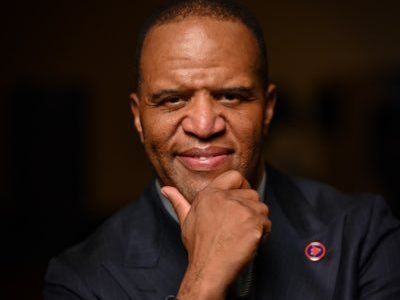
By Kim Anthony January 2, 2025
Under-earning, often a result of undervaluing one’s worth, skills, or time, can be a debilitating habit that stands in the way of achieving one's financial and personal potential. Breaking free from this cycle can lead to increased self-esteem, financial freedom, and a more fulfilling professional journey. Here are 11 strategies to address and conquer the habit of habitual under-earning: 1. Self-Awareness is the First Step Before addressing under-earning, one must recognize it. Monitor your income, track your working hours, and compare your earnings with industry standards. Acknowledging the disparity is essential. 2. Set Clear Financial Goals Establish clear, measurable financial goals. Whether it’s a desired annual income, a target hourly rate, or a specific project fee, having a number in mind provides a tangible target. 3. Know Your Worth Research market rates for your profession, skills, and experience. Use platforms like Glassdoor, Payscale, or industry-specific databases to get a clear picture of what you should be earning. 4. Invest in Continuous Learning Boost your earning potential by staying updated in your field. Attend workshops, get certifications, and consistently upgrade your skills. The more valuable your skillset, the higher your earning potential. 5. Practice Negotiation Many under-earners shy away from negotiating salaries or fees. Start practicing negotiation skills in low-stakes situations and gradually apply them in professional scenarios. 6. Avoid Overcommitting Learn to say "no." Taking on too many tasks, especially if they are underpaid, can keep you trapped in the under-earning cycle. Prioritize opportunities that align with your worth. 7. Surround Yourself with Support Connect with mentors, join professional groups, or find peers who understand your worth and encourage you to break out of under-earning habits. Their support can be invaluable. 8. Diversify Income Streams Look for alternative income streams. Freelance work, consulting, or even passive income opportunities can supplement your primary income and elevate your overall earnings. 9. Reframe Your Mindset Under-earning often stems from deep-seated beliefs about money and self-worth. Consider professional coaching or counseling to address and transform any limiting beliefs. 10. Review and Adjust Regularly Periodically review your earnings and set new benchmarks. As you grow in your profession and gain more experience, your worth increases. Adjust your rates and salary expectations accordingly. 11. Celebrate Small Wins Every time you successfully negotiate a better rate, land a higher-paying client, or reach a financial goal, celebrate it. This positive reinforcement will motivate you to continue breaking the under-earning cycle. In conclusion, breaking the habit of habitual under-earning requires a combination of self-awareness, proactive efforts, and continuous self-improvement. With dedication and the right strategies, it’s entirely possible to redefine your professional worth and achieve the financial success you deserve.
By Kim Anthony August 28, 2023
John Hope Bryant, an American entrepreneur, stands tall as a beacon in the financial literacy realm. He has made significant strides not just as a successful businessman but as an advocate for economic empowerment and inclusion. Wearing m ultiple hats, Bryant is the founder, chairman, and CEO of the nonprofit Operation HOPE, an organization dedicated to uplifting underserved communities through financial education. Furthermore, his dedication to creating an inclusive financial system was acknowledged on the national stage when he served as the vice chair on the U.S. President’s Advisory Council on Financial Literacy. So, who exactly is John Hope Bryant? How did a boy raised in Compton and the South Central area of Los Angeles rise to influence financial policies at the highest echelons of power and inspire countless individuals? Here are the 10 principles we're learning from John Hope Bryant, which provide a deeper insight into his philosophy: 1. Embrace Your Roots While he might say "Be nuts!", what Bryant really means is never forget where you come from. His upbringing in Compton and the South Central region of LA instilled resilience and a unique perspective that fuels his initiatives. 2. Determination Over Circumstances "Vow to never be poor" isn't just about financial wealth. Following the 1992 Rodney King riots, Bryant saw a dire need for financial education and empowerment, leading him to establish Operation HOPE, Inc. 3. Self-belief is Paramount "Believe in yourself" isn’t just a catchy hashtag. Bryant's recognition as one of the 237 Young Global Leaders by the World Economic Forum stands as a testament to his unwavering self-belief and his ability to turn vision into reality. 4. Network and Connect "Make friends everywhere" speaks to Bryant's approach to collaboration. His role as vice-chairman of the President’s Council on Financial Literacy under President George W. Bush showcases his belief in forging connections for collective progress. 5. Challenges Foster Growth Understanding that "You can't grow without legitimate suffering" is vital. Despite challenges, Bryant continued his mission under President Barack Obama, emphasizing the importance of financial capability at a national level. 6. Visionary Leadership To "Redefine success", Bryant took charge as the chairman of the Subcommittee on the Underserved and Community Empowerment. His leadership shines in initiatives targeting marginalized communities. 7. Trust in Your Potential With a nod to "Have confidence", Bryant was lauded as “One of America’s 50 Most Promising Leaders of the Future” by Time Magazine in 1994. He exemplifies that confidence coupled with action can create impactful change. 8. Generosity is Golden Through "Give", Bryant has made history. His recognition as the first African-American to be knighted by German nobility emphasizes the importance of generosity and the far-reaching impact of goodwill. 9. Lift Others As You Rise True to the principle of "Empower people", Bryant's Crystal Heart Award from the University of Southern California School of Social Work celebrates his relentless efforts in community service and empowerment. 10. Humility in Achievements Lastly, "Don't take yourself too seriously" is a reminder that even amidst accolades, like being named to The Root's 2011 100 List of Influencers and Iconoclasts, one should remain grounded. In conclusion, John Hope Bryant’s principles serve as a guiding light for those striving for financial empowerment, success, and societal change. As you navigate your journey, remember to integrate these principles and keep pushing boundaries.

Women of Enterprise

By Kim Anthony January 1, 2026
Senior U.S. Judge Thomas Thrash has ruled that the Fearless Fund, a venture capital firm based in Atlanta, can continue its grant program exclusively tailored for Black women entrepreneurs. The judge said the lawsuit challenging the practice, which argued it unlawfully excluded individuals of other races, was unlikely to succeed. The Fearless Fund, while a relatively small player in the global venture capital market, has come to symbolize the broader debate surrounding corporate diversity policies. However, the lawsuit against the organization may set a precedent as discussions on race considerations evolve within the workplace, particularly in light of the U.S. Supreme Court’s recent ruling in June ending affirmative action in college admissions. Sign up for our Daily eBlast to get coverage on Black communities from the media company who has been doing it right for over 133 years. Edward Blum, an anti-affirmative action activist well-known for his involvement in the Supreme Court’s June college admissions cases, is the head of the nonprofit American Alliance for Equal Rights, which requested the preliminary injunction. Blum has expressed plans to appeal the decision, claiming that civil rights laws prohibit racial distinctions based on overrepresentation or underrepresentation. The Fearless Strivers Grant Contest, which awards $20,000 to Black women entrepreneurs, remains at the center of the lawsuit. Blum argues that this contest violates a section of the Civil Rights Act of 1866, which prohibits racial discrimination in contracts. He claims that members outside the specified racial category are excluded. Judge Thrash contended that the grants constituted “charitable donations” aimed, in part, at acknowledging the discrimination faced by Black women business owners. He asserted that such donations are protected as “expressive conduct” under the First Amendment. The judge criticized the alliance’s attempt to alter the fund’s intended message. Gilbert Dickey, an attorney for the alliance, pointed out that the grant program does not extend to other racial minorities, including Hispanics. He argued that privileging one race over others violates First Amendment protection. The Fearless Fund maintains that its objective is to remove the obstacles that keep companies run by women of color from getting venture capital funding. “We will continue to run the nation’s first venture capital fund that is built by women of color for women of color,” declared Fearless Fund CEO and co-founder Arian Simone. “We realize there is still a long road ahead, but today we remain fearless and steadfast in creating pathways that empower women of color entrepreneurs.” Data from the nonprofit advocacy group Digital Undivided shows that less than 1 percent of venture capital funding goes to businesses owned by Black and Hispanic women. Founded in 2019, the Fearless Fund conducts the grant contest quarterly, with eligibility criteria stipulating that a business must be at least 51 percent owned by a Black woman, among other requirements. The NAACP Legal Defense Fund, the National Women’s Law Center, and the Gibson, Dunn, and Crutcher law firm have supported the Fearless Fund in fighting Blum’s lawsuit. Prominent figures, including civil rights advocate Ben Crump, have rallied to defend the Fearless Fund against allegations of discrimination. The Fearless Fund has invested over $26.5 million in businesses run by women of color with the support of industry titans like JPMorgan Chase and Mastercard. They have also awarded grants exceeding $3 million to Black women-owned businesses. Jason Schwartz, a partner at Gibson Dunn, stressed the importance of offering grants to Black women small business owners to achieve economic freedom. Alphonso David, another of the Fearless Fund’s lawyers, president, and CEO of the Global Black Economic Forum, condemned Blum’s claims as baseless attempts to subvert existing law. He affirmed their commitment to defend the Fearless Fund and its crucial work vigorously. “Today, the playing field is not level – that is beyond dispute,” David asserted in an earlier statement. “Those targeting Fearless Fund want to propagate a system that privileges some and shuts out most. They want to pretend that inequities do not exist. They want us to deny our history.” This article was originally published by NNPA Newswire. 
By Kim Anthony December 31, 2025
Magic Johnson Enterprises (MJE) has entered a transformational moment in its legacy of community-centered entrepreneurship: Alexia Grevious Henderson has been named President of Magic Johnson Enterprises. Her appointment is more than a new title—it signals a generational shift toward leaders who understand that wealth-building and community uplift are inseparable. This is leadership rooted in excellence and guided by purpose. A Leader Built for Impact Henderson joined MJE in 2017 and has quietly become one of the strategic minds shaping partnerships, elevating brand influence, and expanding the economic reach of MJE’s mission. Rising from Senior Manager to Vice President—and now President—she has proven herself not just capable, but catalytic. As Vice President of Strategic Partnerships and Marketing, she led: major corporate collaborations global brand partnerships campaigns that expanded MJE’s economic influence Under her leadership, MJE has strengthened its identity as a vehicle for community-driven growth and long-term economic empowerment. Magic Johnson summarized it best: “Alexia is one of the brightest young minds in business today. Her leadership and creativity have elevated our brand, our partnerships, and our mission.” A Career Anchored in Purpose Before joining MJE, Henderson built foundational experience with the Washington Commanders and the NCAA. Her work has been nationally recognized, including being named: Sports Business Journal’s “30 New Voices Under 30” Diverse Representation’s “Top Ten to Watch” Beyond her corporate success, she serves on the board of A.Bevy, helping young adults find direction, identity, and purpose—an example of leadership that extends beyond the office and into the lives of future innovators. A Historic Representation Moment Henderson’s presidency represents a breakthrough for: women stepping into major corporate leadership Black leaders shaping national investment strategy the next generation building wealth, ownership, and opportunity This moment proves something powerful: future-focused leadership doesn’t just inherit legacy—it expands it. Rooted in Community, Positioned for Global Impact Originally from Fort Mill, South Carolina, Henderson earned her degree from Clemson University and an MBA from Pepperdine University. Today she calls Los Angeles home—a city where entrepreneurship, culture, and economic innovation converge. She now stands at the intersection of legacy and next-generation leadership—continuing a mission that impacts both boardrooms and neighborhoods. About Magic Johnson Enterprises: Founded by Earvin “Magic” Johnson, MJE is a diversified investment company advancing opportunities across entertainment, sports, real estate, technology, and more—always with an eye toward access, ownership, and community prosperity. Its mission continues to demonstrate a powerful truth: When communities gain access, communities gain power.And when we elevate leaders who carry that purpose forward, we don’t just witness change - we build the future.

Leadership & Influence

By Kim Anthony December 29, 2025
Operation HOPE is proud to announce that U.S. News & World Report has named our Founder, Chairman and CEO, John Hope Bryant, one of its 2025 “Best Leaders in Business.” This annual recognition honors just 25 influential leaders across business, education, public service, and healthcare who embody the leadership qualities Americans value most. This year’s honorees include changemakers such as Mark Cuban, Dolly Parton, Sal Khan, José Andrés, Michael J. Fox, MacKenzie Scott , and others, alongside our own Chairman Bryant, recognized for his work to expand financial opportunity and build an economy that works for everyone. “Empathy, generosity, and belief in people.” “I am deeply honored to be recognized by U.S. News & World Report alongside so many extraordinary leaders,” said John Hope Bryant. “This distinction affirms the values that guide our work at Operation HOPE – empathy, generosity, and belief in the potential of every individual. Our team is committed to expanding financial opportunity, building financial resilience, and helping underserved communities take control of their economic future.” Bryant was selected based on leadership traits identified in a nationally representative survey conducted by The Harris Poll , including empathy, generosity, and humility. After the survey findings were published, visitors to the U.S. News website were invited to nominate leaders who embody those qualities. A panel of expert judges from diverse industries then reviewed submissions and selected the 25 honorees . Among 2025’s Best Leaders in Business Dario Amodei, Ph.D. , CEO & Co-Founder, Anthropic Mark Cuban , Co-Founder, Mark Cuban Cost Plus Drug Company; Entrepreneur; Star of NBC’s “Shark Tank” Judy Faulkner , Founder & CEO, Epic Systems Alison Moore , CEO, Chief Ron Vachris , President, CEO & Director, Costco Wholesale Corp. Chairman Bryant and his fellow honorees were recognized on November 18, 2025, at a special reception in Washington, D.C. “Empathy, generosity, and belief in people.” “I am deeply honored to be recognized by U.S. News & World Report alongside so many extraordinary leaders,” said John Hope Bryant. “This distinction affirms the values that guide our work at Operation HOPE – empathy, generosity, and belief in the potential of every individual. Our team is committed to expanding financial opportunity, building financial resilience, and helping underserved communities take control of their economic future.” Bryant was selected based on leadership traits identified in a nationally representative survey conducted by The Harris Poll, including empathy, generosity, and humility. After the survey findings were published, visitors to the U.S. News website were invited to nominate leaders who embody those qualities. A panel of expert judges from diverse industries then reviewed submissions and selected the 25 honorees. Among 2025’s Best Leaders in Business Dario Amodei, Ph.D., CEO & Co-Founder, Anthropic Mark Cuban, Co-Founder, Mark Cuban Cost Plus Drug Company; Entrepreneur; Star of NBC’s “Shark Tank” Judy Faulkner, Founder & CEO, Epic Systems Alison Moore, CEO, Chief Ron Vachris, President, CEO & Director, Costco Wholesale Corp. Chairman Bryant and his fellow honorees were recognized on November 18, 2025, at a special reception in Washington, D.C. Community Transformation Fueled by "Silver Rights" For more than three decades, John Hope Bryant has championed what he calls “silver rights”, or the right to financial literacy, access to capital, and economic dignity. Under his leadership, Operation HOPE has: Empowered more than 4 million individuals with financial coaching, credit and money management support, homeownership preparation, and small business guidance. Helped generate over $4.2 billion in economic activity in underserved communities. Built a growing network of HOPE Inside locations that bring trusted financial coaches directly into neighborhoods, workplaces, and branches where people live and work. This recognition from U.S. News & World Report underscores that the power of love-driven leadership rooted in service can transform lives and communities. Milestones like this are only possible because of partners, supporters, and friends like you who believe in our mission and stand with us as we work to expand financial opportunity for all. Together, we are proving that doing well and doing good are not opposites. They are the blueprint for building a stronger America.
By Kim Anthony December 26, 2025
When Damola Adamolekun stepped into Red Lobster after its 2024 bankruptcy, he didn’t just inherit financial distress. He inherited exhaustion, confusion, and broken trust. This wasn’t only a balance sheet problem — it was a people problem. Instead of rushing into drastic cuts, he started with listening. He walked locations, asked questions, and acknowledged what employees were carrying. Many were simply “beat down.” That honest reset created space for real rebuilding to begin. People First — Because Culture Drives Performance Adamolekun treated employees as partners in the turnaround, not as line items. Town halls, conversation, training, and performance incentives restored dignity and ownership. As morale improved, customer experience improved. Recovery didn’t begin with marketing campaigns — it began with people feeling valued again. Restoring Order Before Chasing Growth Red Lobster’s decline had grown over time through high leases, outdated systems, and inconsistent operations. Adamolekun moved decisively but with discipline: renegotiating costly leases trimming unnecessary overhead tightening financial controls modernizing technology and data Speed mattered — but structure mattered more. Stability became the foundation for everything that followed. Modernizing Without Losing the Brand With systems stabilized, innovation was intentional. Menu refreshes, updated presentation, and more accessible pricing brought new energy while honoring the classics guests still love. The goal wasn’t reinvention — it was relevance. Innovation supported the mission instead of replacing it. Culture First. Numbers Next. Projected profitability by 2026 signals more than a financial comeback. It reflects alignment returning across the organization — stronger systems, motivated teams, and customers reconnecting. True turnarounds rarely start in spreadsheets. They begin with clarity, trust, and disciplined execution — and then the numbers follow. Leadership With Courage and Care At just 36, Adamolekun models a leadership style rooted in empathy and decisiveness. He acknowledged pain, took ownership, made difficult choices, stayed visible, and invited people back into purpose. He recognized that morale isn’t “extra.” It is infrastructure. Learnings / Takeaways Repair trust before fixing strategy. People cannot perform in survival mode. Morale is operational. Respected teams deliver better service and stronger results. Discipline beats drama. Order and systems must precede aggressive growth. Innovate thoughtfully. Refresh the experience without abandoning the brand’s core. Culture drives outcomes. Healthy organizations produce healthy numbers.

Marketing, Branding & Visibility

By Kim Anthony January 1, 2026
Branding in 2026 is no longer just about design or clever taglines. It has evolved into identity, credibility, relationship, and opportunity. For many founders who have had to push harder to be recognized and taken seriously, branding has become a true strategic advantage. Customers are paying attention in new ways — not only to what businesses sell, but to who leads them, what they believe, and how consistently they show up. They are craving authenticity, alignment, and meaning. 1. Founder visibility moves center stage. More than ever, people want to see the human being behind the brand. They want to understand the “why,” the values, and the journey. Entrepreneurs who share their stories, speak publicly, write, teach, and invite others into behind-the-scenes moments develop deeper trust. In a skeptical marketplace, a real, relatable presence becomes one of the strongest branding tools available. 2. Small communities become more powerful than big audiences. Instead of chasing viral moments or massive follower counts, more founders are building intentional spaces — memberships, masterminds, close-knit email lists, and digital communities where conversations feel personal. These communities foster resilience, referrals, support systems, and shared opportunity, creating stronger brands than social feeds alone ever could. 3. Cultural storytelling becomes strategic advantage. Brands that are rooted in lived experience, heritage, neighborhood, and authentic personal history stand out. Whether through food, fashion, wellness, education, or media, stories anchored in truth create connection. Real stories are no longer optional — they are becoming the heartbeat of strong brands. 4. AI becomes a creative partner instead of a replacement. Technology is accelerating branding, especially through AI tools that help with brainstorming, research, writing, and design. But the brands that rise to the top pair technology with humanity — adding nuance, emotion, and voice. Leaders who use AI thoughtfully gain efficiency without losing authenticity. 5. Trust and credibility become the new currency. With so much noise online, people naturally ask why they should believe what they see. Certifications, media features, speaking appearances, testimonials, awards, published content, and strong partnerships all serve as signals that a brand is real, reliable, and capable. These credibility markers open doors that talent alone cannot. 6. Alignment matters more than aesthetics. A beautiful logo or sleek website cannot compensate for misalignment. When messaging, visuals, pricing, customer experience, and leadership behavior match, trust deepens. When they don’t, audiences feel the disconnect and quietly disengage. Alignment is becoming one of the quiet superpowers of strong brands. 7. Thought leadership becomes a growth engine. Consumers no longer want only products — they want perspective. Entrepreneurs who share insights, create frameworks, challenge assumptions, and lead meaningful conversations become recognized as authorities. Their businesses grow because their thinking helps people make sense of their world. 8. Collaboration replaces competition as the default strategy. More entrepreneurs are choosing to partner instead of compete. Co-branded events, shared offers, podcast swaps, cross-promotions, and ecosystem partnerships allow brands to multiply visibility and impact. Collaboration signals confidence and creates opportunities none of the partners could access alone. 9. Purpose-driven branding rises to the forefront. Customers increasingly want to know what a business stands for — who it serves, why it matters, and how it contributes to something larger than profit. When purpose is authentic and clearly communicated, it attracts loyalty and deeper engagement. Purpose provides clarity, and clarity attracts the right people. 10. The health of the leader shapes the health of the brand. There is growing recognition that burnout shows up everywhere — in messaging, marketing, customer experiences, and decision-making. Rest, boundaries, mentorship, team support, and sustainable systems are now part of serious branding conversations. A grounded leader creates a grounded brand. In 2026, branding is not about shrinking to fit someone else’s expectations. It is about honoring your story, your excellence, and your voice — and allowing your business to reflect that truth. When entrepreneurs build brands with clarity, courage, and alignment, they don’t just compete. They create legacies.
By Kim Anthony December 31, 2025
How simplifying your message can double clarity, engagement, and sales Most brands don’t struggle because they lack greatness. They struggle because they’re crowded. Over time, businesses accumulate messages the way closets accumulate clothes. A tagline gets added. A new offer appears. A side project becomes part of the main pitch. Before long, what once felt clean and focused becomes layered, busy, and hard to process. When customers say, “I’m not quite sure what you do,” it can sting — but it’s also an invitation. Not to add more. To clear space. Clarity rarely comes from expansion. Clarity almost always comes from subtraction. When brands first start, the message usually feels sharp and direct. But growth brings opportunities — and with opportunities comes complexity. You begin serving more types of clients. You test different services. You create multiple programs. Each one feels important, so instead of choosing, you start stacking. Eventually you find yourself saying too much, too fast, to too many people. The irony is that the more you try to explain, the harder it becomes for anyone to understand. If People Can’t Repeat It, They Can’t Remember It A powerful brand can usually be repeated in one simple sentence. Not a paragraph. Not a presentation. A sentence: “I help small businesses organize their finances.” “We teach busy professionals how to get healthy.” “We create spaces where leaders can grow.” When someone hears that kind of clarity, they immediately know where you belong in their brain. But when your explanation sounds like, “Well, I do consulting, coaching, speaking, facilitation, retreats, courses, workshops, and I also have a podcast,” people start mentally backing away. Not because you aren’t capable — but because the human brain needs anchors, not avalanches. The more simply you describe what you do, the more room your audience has to imagine themselves working with you. Complexity feels impressive to us. Simplicity feels reassuring to them. Too Many Offers Create Decision Fatigue Another reason brands feel crowded is the desire to give people options. On paper, options seem generous. In reality, too many options paralyze people. When someone visits a website and sees multiple buttons, multiple packages, multiple directions, and multiple types of clients served, they begin to wonder whether any of it is actually meant for them. Instead of feeling invited, they feel uncertain — and uncertainty rarely buys. Decision fatigue is real. When choosing feels like work, people delay. And when they delay, they often disappear. Fewer, clearer pathways create momentum. They move people through an experience instead of dropping them into a maze. Simplifying isn’t losing money. It’s guiding attention where it matters most. Your Audience Doesn’t Need Everything — They Need the Right Thing Many overcrowded brands are built from a good heart. You want to help. You have experience. You’ve learned so much, and you want to share all of it. But when you try to solve every problem, your brand stops standing for anything specific. People don’t hire “general capability.” They hire meaningful outcomes. They want to feel less overwhelmed, more confident, more organized, more profitable, more fulfilled — whatever transformation you specialize in. When you boldly name that transformation, you give your brand a spine. Everything else becomes supporting material rather than the main message. You don’t have to stop offering multiple services. You simply have to choose which one becomes the doorway people enter through. Once they trust you, they’ll discover the rest. Simplification Builds Trust An overcrowded message can accidentally sound like you’re trying to prove yourself. The tone shifts from grounded to grasping. On the other hand, simplified branding communicates assurance. It tells people, “We know exactly who we are and where we create the greatest impact.” Clarity feels like leadership. Leadership creates safety. And safety is what allows people to invest. This is why simplifying often results in more sales, not fewer. When people sense certainty, they relax. They stop questioning whether they’re making the right choice. Simplicity doesn’t dull your brilliance — it reveals it. The Three-Question Reset Whenever your message starts feeling heavy or scattered, returning to a few core questions can quietly recalibrate things. Ask yourself what you truly want to be known for if you could only choose one thing. Ask which offer consistently creates the best results, not merely the highest volume of activity. And finally, ask what single sentence you’d like someone to repeat about your work after they leave a conversation with you. Those answers usually tell the truth faster than any branding exercise. Everything that doesn’t align with those answers may still have value — but it no longer leads the brand. It becomes supportive instead of central. This is where freedom appears. Simplifying is not erasing parts of yourself. It’s arranging the pieces so people can actually see you. Simplifying Is Not Dumbing Down There’s often a quiet fear that simplifying will make our work sound shallow. But the opposite is true. Simple messages make room for depth. They give you space to tell stories, share insights, and invite people deeper once they’re inside your world. Complicated branding exhausts people before they ever get close enough to appreciate what you do. The most sophisticated brands in the world use remarkably simple language. Not because they lack depth — but because they know clarity is a form of respect. The Bottom Line Your brand likely isn’t confusing. It’s simply overcrowded. Over time, ideas piled up, directions multiplied, and suddenly the message became harder to hear. The good news is that clarity is always recoverable. It returns the moment you choose what matters most and let everything else take a respectful step back. When you simplify, people find you faster. They understand you quicker. They trust you more deeply. And when trust rises, engagement and sales naturally follow. Growth, in many cases, isn’t about building more layers. It’s about finally saying: “This is who we are. This is what we do best. This is who it’s for.” And letting the confidence of that simplicity carry your work forward.

Media, Tech & Entertainment

By Kim Anthony December 30, 2025
When Keith Lee stepped onto the Hollywood Palladium stage to accept TikTok’s first-ever U.S. Creator of the Year Award, it wasn’t about fame. It was about proof. Proof that when everyday people use platforms with purpose, they can change the economic future of entire neighborhoods. “I never in a million years thought I’d be standing on this stage.” — Keith Lee Lee, known for his quiet humility and honest food reviews, has unintentionally become one of the most influential advocates for independently owned restaurants across the country. His videos don’t shout. They don’t perform. They simply tell the truth — and people listen. Lines grow. Registers ring. Doors stay open. Platform + Purpose Lee’s rise didn’t just give him attention. It gave him responsibility. He describes TikTok not as a stage, but as a gateway: to elevate hidden gems to restore hope to small business owners to remind the internet that community matters “TikTok gave me a platform to show small businesses around the country.” — Keith Lee Even in the middle of the applause, Lee admitted something deeply human: “It’s hard to do something for myself, because I always put other people first — but this is for me.” Beside him was his wife, Ronni — the person who first encouraged him to start posting reviews. One simple nudge became the spark that changed lives. Why This Matters for Our Communities Keith Lee’s journey mirrors the heart of our work: Visibility creates opportunity Digital storytelling drives economic mobility Trust is a growth strategy Compassion can be an engine for commerce This is enterprise with a conscience — and it works. A New Era of Influence T he TikTok Awards — themed “New Era, New Icons” — highlighted creators using influence to shape culture, business, and connection. The honorees included: Jeremiah Brown — Rising Star, expanding conversations around books & community; Mariah Rose — MVP of the Year, bringing fresh voice to sports storytelling; and singer Ciara headlined the evening, celebrating the creators reshaping the way culture travels. And in true alignment with Lee’s mission, host LaLa Anthony announced a $50,000 donation to Feeding America — linking recognition to real-world impact. Lessons Entrepreneurs Can Take From Keith Lee Be honest. People trust authenticity. Focus on service — not spotlight. Use your platform to lift others. Let your values shape your visibility. You don’t need millions of followers to make a difference. You need integrity — and consistency. Bigger Thank an Award Keith Lee’s success isn’t a celebrity headline. It’s a blueprint. His work shows us: ordinary people can become economic catalysts purpose travels farther than popularity when community wins, everybody wins He didn’t build influence for attention. He built impact by paying attention. And that is exactly the future we believe in — one where tech, storytelling, and heart come together to create opportunity “When we use our voice to uplift others, everybody rises.”    Photo Credit: CBS 42 Louisiana
By Kim Anthony December 29, 2025
iHeartMedia, the #1 audio company in America, announced today that it has extended its relationship with the culture-shifting multimedia mogul Charlamagne Tha God, co-host of iHeartMedia New York's Power 105's wildly popular and nationally syndicated hit radio show "The Breakfast Club," heard by over 7 million listeners monthly and founder of The Black Effect podcast network. One of the world’s most well-informed, authoritative and distinctive media personalities, Charlamagne Tha God has become a crucial and influential voice in American culture. Under the new multi-year agreement, Charlamagne will continue his uninhibited trademark interview style on the award-winning “The Breakfast Club” radio show, where he has long been recognized for his relentless effort to unveil truth by asking the questions audiences want to hear most, weekdays from 6-10:00 a.m. EST, as well as “Weekends with The Breakfast Club,” alongside co-hosts DJ Envy, Jess Hilarious and Loren LoRosa . "When it comes to iHeartMedia, gratitude will always be my attitude. They’ve created space for me to grow not just as talent, but as an executive and true partner through The Black Effect Podcast Network,” said Charlamagne Tha God. “To say that I’m thankful is an understatement. iHeart is the biggest and best audio company on the planet and audio is the foundation on which the whole media conglomerate will be built. Podcasting, live events, TV/film and documentaries, the sky is the limit for where we are going; and radio will always be at the core of it. Here's to a new era of growth, impact, and prosperity.” “The Breakfast Club,” celebrating its 15-year milestone this month, has become the bullhorn for modern culture and is widely regarded as the most informative and entertaining top-rated contemporary Hip-Hop/R&B morning show today. Charlamagne Tha God and his co-hosts DJ Envy, Jess Hilarious, and Loren LoRosa are known for their unrivaled interviews with celebrities and recording artists. Esteemed guests who have appeared on the show include former President Barack Obama, former President Joe Biden, former Vice President Kamala Harris, Jay-Z, Cardi B, Kendrick Lamar, Kevin Hart, Snoop Dogg, Future, 50 Cent, Lizzo, Will Smith, Alicia Keys and many more. The crew also hosts “Weekends with The Breakfast Club,” a 3-hour weekly program featuring a countdown of the top 20 songs on the charts and signature interviews. Charlamagne Tha God and “The Breakfast Club” were inducted into the Radio Hall of Fame in 2020. “Charlamagne has been a transformative voice in audio, redefining what it means to create content that sparks dialogue and drives cultural change. Through The Breakfast Club and his growing podcast network, he’s amplified diverse voices, tackled tough conversations, and built platforms that continue to resonate with audiences nationwide,” said Rich Bressler, President & COO for iHeartMedia. "His influence has helped shape the future of audio and we’re energized by what lies ahead and appreciate his ongoing trust in iHeart.” Charlamagne Tha God was represented by Ted Chervin at CAA, with legal counsel provided by Loan Dang of Del Shaw Moonves Tanaka Finkelstein Lezcano Bobb & Dang. Financial strategy and advisory were led by Humble Lukanga and Laura Rutebuka of Lifeline Financial Group. The agreement was developed in close partnership with Charlamagne’s longtime business partner Karen Kinney of KK Entertainment & Media. Additionally, iHeart and Charlamagne will continue to partner on the historic joint venture, The Black Effect Podcast Network -- the world’s largest podcast publisher dedicated to Black listeners, bringing together the most influential and trusted voices in Black culture for stimulating conversations around social justice, pop culture, sports, mental health, news, comedy and more. Launched in 2020 and curated by Charlamagne himself, The Black Effect has debuted 60+ shows -- generating 11 million monthly downloads and features a luminous roster of marquee talent and influential voices committed to enlightening, educating and entertaining audiences. Earlier this year, “The Breakfast Club” replay podcast -- which served as the flagship show for the launch of The Black Effect Podcast Network – surpassed one billion downloads, joining a very short list of podcasts to reach this impressive milestone. About Charlamagne Tha God Lenard “Charlamagne Tha God” McKelvey is a multimedia mogul, Radio Hall of Fame inductee, and New York Times bestselling author who has spent nearly two decades shaping American culture. He is the co-host of iHeartMedia’s nationally syndicated The Breakfast Club , heard by more than 7 million listeners monthly and widely regarded as the most influential Hip-Hop and R&B morning show in the country. Known for his fearless interview style, Charlamagne has led headline-making conversations that spark cultural dialogue and tackle tough, timely issues. He is the founder of The Black Effect Podcast Network, a joint venture with iHeartMedia and the world’s largest podcast network dedicated to Black audiences, which has launched more than 60 shows and reaches over 11 million monthly downloads. He also founded Southland Stories, a film production company created to spotlight authentic, impactful storytelling. Outside of media, Charlamagne established the Mental Wealth Alliance to advance mental health awareness and provide resources in underserved communities. About iHeartMedia iHeartMedia, Inc. [Nasdaq: IHRT] is the leading audio media company in America, with nine out of ten Americans listening to iHeart broadcast radio in every month. iHeart’s broadcast radio assets alone have a larger audience in the U.S. than any other media outlet; twice the size of the next largest broadcast radio company; and over four times the ad-enabled audience of the largest digital only audio service. iHeart is the largest podcast publisher according to Podtrac, with more downloads than the next two podcast publishers combined, has the most recognizable live events across all genres of music, has the number one social footprint among audio players, with five times more followers than the next audio media brand, and is the only fully integrated audio ad tech solution across broadcast, streaming and podcasts. The company continues to leverage its strong audience connection and unparalleled consumer reach to build new platforms, products and services. Visit iHeartMedia.com for more company information. Photo Credit: Prince Williams/Getty Images

Stay Connected


Until the podcast launches, stay plugged in:

Contact Us

Recent Stories

By Kim Anthony January 1, 2026
For years, entrepreneurship praised the founder who could reinvent everything at a moment’s notice. The message was clear: stay flexible, pivot fast, change direction as often as necessary, and somehow the breakthrough would appear. Many people built survival on that skill. They learned to adjust when doors closed, when opportunities weren’t equal, when the plan didn’t work the first time. Reinvention became a way of staying afloat. But as we move through 2026, a different truth is beginning to emerge. The entrepreneurs gaining real traction are no longer the ones constantly starting over. They are the ones who stop scattering their energy and begin refining what already works. Instead of creating new lanes every few months, they choose one, strengthen it, deepen it, and let it mature. They discover that progress doesn’t always mean doing something new — sometimes it means doing something familiar with greater clarity, confidence, and excellence. Pivoting still has its place. Sometimes strategy really must shift. Conditions change, industries evolve, technology resets everything, and adaptation remains necessary. But pivoting as a lifestyle creates instability. When everything is always new, nothing ever has time to root. Every reinvention requires new branding, new storytelling, new systems, new audiences, and new emotional effort. Living in constant restart mode drains momentum. Eventually, the business feels like a collection of beginnings rather than a sustained journey toward mastery. In 2026, wisdom looks different than it once did. It is less about speed and more about steadiness. Instead of running toward every opportunity, focused entrepreneurs slow down long enough to ask whether the opportunity actually belongs to them. They recognize that not every trend deserves their attention. AI tools rise. Digital platforms expand. New marketing tactics promise instant success. And yet, the founders who are growing most meaningfully are not the ones chasing everything — they are the ones staying grounded in the work that truly aligns. Depth has become more powerful than distraction. There is something magnetic about a business that knows who it is and remains faithful to its identity. When a founder shows up consistently in the same lane, people begin to trust them. Over time, reputation forms. Word-of-mouth strengthens. Clients return because they recognize quality and commitment. What once felt narrow reveals itself as strength. The more deeply you plant, the wider your roots spread. This is why focus is not restriction — it is liberation. When you choose direction, your mind quiets. Decisions stop feeling chaotic. Messaging becomes clearer. Operations can finally stabilize. Instead of constantly rewriting your story, you allow your story to mature. Your calendar becomes intentional rather than frantic. Your identity as a business becomes recognizable, not blurry. Focus removes clutter and gives your effort a home. For many entrepreneurs, especially those who have had to operate in survival mode, narrowing feels risky. There is an instinct that says, “If I don’t do everything, I might miss something.” That instinct came from real experience. But 2026 invites a different kind of trust — trust that your work deserves depth, trust that commitment creates growth, and trust that excellence requires time. Mastery is not about doing more; it is about doing what matters with increasing skill and integrity. The future will not reward endless dabbling. It will reward builders — people who stay long enough to refine, improve, and evolve. Focus gives your business the stability needed to build legacy instead of just movement. It turns scattered effort into meaningful direction. It allows clients to recognize your voice, your values, and your contribution. And perhaps most importantly, focus allows you to breathe. When you stop chasing everything, you finally have the space to become who you are meant to be in business — grounded, confident, steady, and ready for the kind of growth that lasts. Because in 2026 and beyond, focus is not limitation. Focus is liberation.
By Kim Anthony January 1, 2026
In communities across America, Black women are not just starting businesses — they are moving economies, shifting industries, and redefining what resilience looks like. According to Wells Fargo’s landmark study, The 2025 Impact of Women-Owned Businesses, Black/African American women entrepreneurs now operate nearly 2 million businesses, employing 647,000 people and generating $118.7 billion in revenue. These aren’t side hustles. They are engines — for families, neighborhoods, and the nation. And the report makes one truth undeniable. Closing the opportunity gap for Black women entrepreneurs isn’t charity. It’s economic strategy. Closing the Parity Gap Could Add Trillions Despite extraordinary gains, Black women still face higher barriers to capital, mentorship, networks, and procurement pipelines. Wells Fargo estimates that if Black/African American women entrepreneurs generated revenue on par with male-owned businesses, the nation could see up to $1.7 trillion added to the economy. The potential is not hypothetical — it is measurable. Policies that address wage inequities, expand access to capital, increase training opportunities, and open professional networks are essential. When these supports exist, the study shows, Black women entrepreneurs do far more than survive. They scale. They hire. They build wealth that ripples through generations. Capital is Expanding — and Awareness Must Catch Up Encouragingly, the financial landscape is widening. Wells Fargo highlights that more women are leveraging diverse financing pathways — particularly those designed with equity in mind. Among the most promising: Community Development Financial Institutions (CDFIs) Approval rates comparable to traditional lenders A 40% increase in certified organizations since 2018 Technical assistance + affordable capital bundled together The Wells Fargo “Open for Business” Initiative Flexible capital — grants, low-cost loans, forgiveness options — paired with capacity-building support helps women-owned businesses stabilize, grow, and create jobs, especially in underserved communities. SBA Lending Gains Women’s share of SBA loans has grown from 15.6% to 21.3% — a meaningful jump. Investment Crowdfunding A lifeline for founders outside major financial hubs, with 70% of capital coming from beyond the top 10 U.S. markets. State Small Business Credit Initiative (SSBCI) A $10 billion Treasury program unlocking private investment with a bold vision — including dedicated funding for equitable entrepreneurship through the Initiative for Inclusive Entrepreneurship. The opportunity — and the challenge — is awareness. Women must know which financial tools fit their stage and strategy, and ecosystems must ensure these resources remain accessible. Procurement: The Billion-Dollar Doorway When corporations and governments intentionally source from Black women-owned firms, the impact is exponential. Revenue grows. Jobs follow. Supply chains strengthen. Inclusive procurement isn’t just about fairness — it makes economies more competitive. Culture, Community, and Commerce Black women-owned businesses do something uniquely powerful: they build solutions from cultural insight. From beauty and wellness to technology, food, fashion, and media, these businesses grow from deep community understanding — and often expand into mainstream markets. They carry heritage. They create belonging. And increasingly, they shape national consumer trends. Building Ecosystems — Not Just Enterprises To truly unlock potential, the report calls for intentional infrastructure: Technology hubs and incubators Affordable marketplaces Co-working spaces designed for women founders Stronger public–private partnerships Investment in digital and physical infrastructure — including rural regions Fair, transparent lending practices Because entrepreneurship doesn’t flourish in isolation — it thrives in ecosystems. When Black women succeed in business, communities stabilize, families thrive, and the entire economy rises.
By Kim Anthony December 31, 2025
When Venus and Serena Williams stepped onto a tennis court decades ago, they didn’t simply play the game—they changed it forever. With every serve, every championship, and every barrier broken, they reminded the world that greatness refuses limitation and does not wait for permission. Now, they’ve made history once again—this time not in Wimbledon whites, but in ownership seats and billion-dollar boardrooms. Venus and Serena are the first Black women to own a stake in an NFL franchise, becoming investors in the Miami Dolphins—currently valued at more than $4.6 billion. This moment isn’t just a headline. It’s a statement. About possibility. About access. And about the evolving definition of leadership. From Courtside to Boardroom NFL ownership has historically been inaccessible to women—especially Black women. For two sisters who grew up in Compton, shaped by discipline, resilience, and unwavering belief, to sit at that table is monumental. This move signals more than participation—it signals transformation. They’re not just influencing sports on the field; they’re positioning themselves in the rooms where media, revenue, strategy, and power are negotiated. This is what it looks like when leadership moves from being the face of a sport to being architects of its future. Impact doesn’t retire. It reinvents itself. The Legacy They Continue to Build Venus and Serena have always been more than athletes. Their lives reflect a portfolio of brilliance—fashion, venture capital, wellness, philanthropy, and storytelling. Their investment in the Dolphins fits a pattern: they don’t simply enter industries; they elevate them. They didn’t just show the world what excellence looks like. They are showing the world what ownership looks like. And in their footsteps, a new generation is learning that greatness isn’t confined to a profession—it’s expressed through every arena you dare to enter. Lessons From the Williams Way Their journey offers timeless principles for emerging leaders, innovators, creators, and community-builders: Play with power and plan with purpose. Whether on the court or in corporate negotiations, every step reflects intention. Diversify your legacy. Mastery in one space is the beginning—not the destination. Representation is a form of leadership. When we see it, we believe it is possible. Ownership is influence. And influence shapes culture, economics, and opportunity. Not Just First—Foundational Venus and Serena aren’t simply breaking records; they’re building a new frontier—one where Black women take their rightful place as investors, leaders, and owners in one of America’s most powerful institutions: the National Football League. The Williams sister have always played to win. Now, they are playing to lead. And if history has taught us anything, it’s this: when the Williams sisters step forward, they don’t just open doors—they leave them open for everyone coming behind them.
By Kim Anthony December 31, 2025
For California entrepreneurs seeking an edge in the state procurement marketplace, certification through the California Department of General Services (DGS) remains one of the most effective ways to increase visibility, access contracting opportunities, and compete more fairly for government contracts. DGS’s Office of Small Business and Disabled Veteran Business Enterprise Services (OSDS) oversees certification for both Small Business (SB) and Disabled Veteran Business Enterprise (DVBE) designations — and understanding how to apply or re-apply is essential for business growth. What the SB and DVBE Certifications Do The SB and DVBE certification programs are designed to promote and increase participation by small businesses — including veteran-owned firms — in state contracting. Certification can help businesses: Appear in the official California certified vendor directory used by state agencies and prime contractors Be considered for direct contracting opportunities through the SB/DVBE Option Participate in solicitations with bid preferences or incentive programs Expand access to state procurement markets worth billions annually Certification also supports broader policy goals: California law calls for specific participation targets — such as a 3% DVBE participation requirement on many state contracts — and agencies seek to maximize involvement from certified firms. Who Qualifies for SB and DVBE Certification Small Business (SB): To qualify as a certified small business in California, a firm must be independently owned and operated, meet state revenue size standards, and have its principal office in California. For most SB applications, average gross annual revenues over the previous three years must fall below the threshold defined for the business’s industry category. Disabled Veteran Business Enterprise (DVBE): DVBE certification is specifically for businesses owned by disabled veterans. To qualify, the business must meet several requirements: At least 51% owned by one or more disabled veterans Disabled veteran(s) must be actively managing and controlling the day-to-day operations and decision-making The veteran(s) must have a service-connected disability as verified by the U.S. Department of Veterans Affairs (typically at least 10% disability) The firm’s home office must be located in the U.S. and properly registered to do business in California For certain business structures such as LLCs, the entity may need to be wholly owned by qualifying disabled veterans These requirements, set out in DGS’s certification criteria, ensure that only legitimate disabled veteran-owned businesses receive DVBE certification and access to corresponding opportunities. How to Apply or Re-Apply 1. Register on Cal eProcure All certification applications are submitted through Cal eProcure — California’s online procurement portal. Businesses must first create or update their profile on the system before beginning the certification process. 2. Complete the Certification Application Once registered, log in to Cal eProcure and navigate to the Small Business/DVBE services section. Select the appropriate certification type — SB, DVBE, or both — and complete the questionnaire. Applicants need to provide documentation supporting ownership, structure, financials, veteran disability status, and control of the business. 3. Upload Required Documentation Required attachments typically include tax returns, ownership agreements, veteran disability verification (e.g., VA award letter), government-issued IDs, and other supporting evidence. Ensuring files are complete and clearly labeled reduces processing delays. 4. Submit and Monitor Status After submission, the Office of Small Business and DVBE Services reviews the application. Processing times vary but generally range from a few weeks to a couple of months depending on workload and completeness of the submission. 5. Renew on Time Certification is typically valid for two years and must be renewed before expiration. Re-application requirements mirror the initial application process, and businesses should begin renewal well before their current certifications lapse. Why Certification Still Matters For many California vendors, SB and DVBE certifications unlock opportunities that would be difficult to access otherwise. Certified firms are more likely to be considered for: State agency contracts and solicitations that prioritize or require certified vendors SB/DVBE Option contracts, where state agencies can award directly to certified firms Prime contractor subcontracting goals, particularly for DVBEs Educational and outreach events that connect vendors with buyers and procurement professionals Certification also supports compliance with state procurement goals — such as the minimum DVBE participation rate of 3% in many solicitations — meaning agencies and primes actively seek certified DVBEs as part of responsible bidding. Getting Support and More Information The DGS Office of Small Business and DVBE Services offers outreach, training, and assistance to help applicants successfully navigate the certification process. You can contact the office at (916) 375-4940 or via email at OSDSHelp@dgs.ca.gov for help with applications, renewals, or understanding program requirements. Whether you are applying for the first time or renewing your SB/DVBE certification, completing the process through Cal eProcure positions your business to compete more effectively in California’s public procurement landscape. Certification opens doors — and in an increasingly competitive market, having that verified status can make a decisive difference.
By Kim Anthony December 31, 2025
There’s a certain kind of electricity that happens when Black women come together — the kind that lifts conversations, opens doors, and quietly shifts what’s possible. That energy is exactly what’s gathering in Los Angeles. As the new year begins, Kellie Todd Griffin — CEO of the California Black Women’s Collective Empowerment Institute — looked across the landscape and saw something beautiful rising: Black women founders, executives, innovators, dreamers, and doers… each building in her own lane, often quietly, often carrying more than the world will ever see. She picked up the phone. Soon, Sarah Harris of the Black Business Association said yes. Angela Gibson-Shaw of the Greater Los Angeles African American Chamber of Commerce said yes. Partners at Los Angeles Economic Development Corporation, Los Angeles South Chamber of Commerce, and others said yes, too. Not because it was another event. But because it was time. Time to gather the women who build. Time to create something rooted in sisterhood, not performance. Connection, not competition. Presence — not pressure. And so, SheBuildsLA was born.
By Kim Anthony December 31, 2025
Real estate development has long served as a powerful pathway toward wealth creation, influence, and community transformation—but BIPOC developers have historically faced limited access, systemic barriers, and a lack of industry entry points. The Emerging Developers Program (EDP) is working to change that narrative. Created to open doors for BIPOC developers and homeowners, EDP offers unparalleled education, mentorship, and practical resources designed to help participants turn property into prosperity—for themselves and for their communities. This program is not simply a course. It is a blueprint for economic empowerment, a launchpad for new developers, and a movement ensuring that the future of housing development includes the people most impacted by inequity. A Program Built for Aspiring and Advancing BIPOC Developers The Emerging Developers Program supports participants at all stages of their real estate journey. Whether individuals are new to development or currently managing projects, EDP equips them with the tools, strategies, and confidence needed to build careers in infill and single-family housing development. The program delivers: Virtual learning through an interactive Zoom-based experience A 3-month comprehensive curriculum, covering foundational principles through advanced development strategies A supportive community, including industry mentors and resources tailored to Black-led development firms Registration for Cohort 8 is coming soon, offering another opportunity for emerging developers to accelerate their skills and deepen their impact. As many graduates affirm, the Emerging Developers Program is transformative—providing knowledge and insights that empower participants to take on development projects they once viewed as out of reach.
By Kim Anthony December 31, 2025
When Thasunda Brown Duckett stepped into the role of president and CEO of TIAA, she wasn’t simply taking the helm of a financial institution—she was stepping into a national calling. Her leadership has consistently focused on expanding access, strengthening financial confidence, and ensuring that everyday people can retire with dignity. Now, she has been named to American Banker’s “Most Powerful Women in Finance” list—an acknowledgment of her bold leadership and her determination to make wealth-building attainable for every working American. Changing How America Retires When TIAA launched an IRA product designed to broaden access to lifetime income, the stock market was having one of its most volatile days. Investors were rattled, headlines were uncertain—but to Duckett, the moment only validated the importance of guaranteed income. “Guaranteed income isn’t a luxury—it’s a necessity,” she said, emphasizing that Americans deserve stability that isn’t dependent on market turbulence or economic swings. Her message is clear: security shouldn’t depend on timing—it should be built into the system. Expanding Access to Lifetime Income Duckett has led TIAA through major expansions, including entering the corporate 401(k) space—moving beyond its traditional base of nonprofit and university employees, and opening doors for millions more workers. With nearly half of Americans at risk of running out of money in retirement, she has called retirement security “a national imperative,” pushing the conversation from policy circles into living rooms, workplaces, and communities that often feel unprepared for the future. Public policy is responding. Nearly 20 states have introduced legislation to expand access to retirement plans, while national lawmakers consider automatic re-enrollment for workers who fall out of savings. Under Duckett’s leadership, TIAA is positioned not just to participate in these changes, but to drive them. Innovation With Purpose Duckett’s commitment to access extends to technology and partnerships. TIAA has invested in Vestwell, partnered with major recordkeepers, and launched a proprietary generative AI platform—TIAA GAIT—to empower its teams with faster insights and stronger decision-making tools. She isn’t just modernizing systems—she’s modernizing people. Through training initiatives like the Guild Network, thousands of employees are building new skills in technology and business processes, preparing the organization for a future shaped by AI. For Duckett, innovation isn’t about disruption—it’s about dignity, confidence, and opportunity. Leadership Beyond Wall Street Duckett recently joined a group of investors purchasing a minority stake in the WNBA’s New York Liberty—extending her influence into sports, culture, and representation. As a former student athlete, she believes athletics build leadership and community—not just championships. Her philanthropic work through the Otis and Rosie Brown Foundation continues this mission, celebrating everyday excellence and supporting families, students, and communities with access to education and opportunity. “Extraordinary is everywhere,” she says, “especially among those who create opportunities for others.” Lessons Emerging Leaders Can Learn 1. Access is power. Duckett’s leadership proves that expanding access expands possibility. 2. Dignity belongs in financial discussions. People deserve systems that support their future—not fear about it. 3. Innovation must include inclusion. Technology should lift people, not replace them. 4. Leadership is service. Real leaders build pathways so others can rise. A Leader Changing the Narrative Thasunda Brown Duckett is not simply leading an institution—she is reshaping how our nation prepares for the future. Her work reminds us that financial empowerment is not only about wealth; it’s about dignity, equity, and the chance to live a full life long after work ends. Her recognition is well deserved—but the true win is what it means for generations who will retire stronger because she decided to lead with vision, courage, and purpose. And that is the kind of leadership that transforms lives.
By Kim Anthony December 30, 2025
When Keith Lee stepped onto the Hollywood Palladium stage to accept TikTok’s first-ever U.S. Creator of the Year Award, it wasn’t about fame. It was about proof. Proof that when everyday people use platforms with purpose, they can change the economic future of entire neighborhoods. “I never in a million years thought I’d be standing on this stage.” — Keith Lee Lee, known for his quiet humility and honest food reviews, has unintentionally become one of the most influential advocates for independently owned restaurants across the country. His videos don’t shout. They don’t perform. They simply tell the truth — and people listen. Lines grow. Registers ring. Doors stay open. Platform + Purpose Lee’s rise didn’t just give him attention. It gave him responsibility. He describes TikTok not as a stage, but as a gateway: to elevate hidden gems to restore hope to small business owners to remind the internet that community matters “TikTok gave me a platform to show small businesses around the country.” — Keith Lee Even in the middle of the applause, Lee admitted something deeply human: “It’s hard to do something for myself, because I always put other people first — but this is for me.” Beside him was his wife, Ronni — the person who first encouraged him to start posting reviews. One simple nudge became the spark that changed lives. Why This Matters for Our Communities Keith Lee’s journey mirrors the heart of our work: Visibility creates opportunity Digital storytelling drives economic mobility Trust is a growth strategy Compassion can be an engine for commerce This is enterprise with a conscience — and it works. A New Era of Influence T he TikTok Awards — themed “New Era, New Icons” — highlighted creators using influence to shape culture, business, and connection. The honorees included: Jeremiah Brown — Rising Star, expanding conversations around books & community; Mariah Rose — MVP of the Year, bringing fresh voice to sports storytelling; and singer Ciara headlined the evening, celebrating the creators reshaping the way culture travels. And in true alignment with Lee’s mission, host LaLa Anthony announced a $50,000 donation to Feeding America — linking recognition to real-world impact. Lessons Entrepreneurs Can Take From Keith Lee Be honest. People trust authenticity. Focus on service — not spotlight. Use your platform to lift others. Let your values shape your visibility. You don’t need millions of followers to make a difference. You need integrity — and consistency. Bigger Thank an Award Keith Lee’s success isn’t a celebrity headline. It’s a blueprint. His work shows us: ordinary people can become economic catalysts purpose travels farther than popularity when community wins, everybody wins He didn’t build influence for attention. He built impact by paying attention. And that is exactly the future we believe in — one where tech, storytelling, and heart come together to create opportunity “When we use our voice to uplift others, everybody rises.”    Photo Credit: CBS 42 Louisiana
By Kim Anthony December 30, 2025
Washington, D.C. — Last week, U.S. Black Chambers, Inc. (USBC) proudly announced the historic acquisition of the former Black Entertainment Television (BET) Campus, a 7.88-acre landmark once home to Robert L. Johnson’s groundbreaking media empire. With an investment of more than $38 million, USBC will transform this iconic site into the USBC Innovation Campus — The Epicenter of Business and Commerce. This monumental achievement marks a once-in-a-generation opportunity to reimagine the future of Black enterprise. The new campus will serve as a national engine for business growth, innovation, and community impact rooted in Washington, D.C., extending its influence nationwide. More than a milestone for USBC, the acquisition represents a transformational investment in the city’s economic future. It strengthens Washington, D.C.’s position as a hub for innovation, entrepreneurship, and cultural advancement, driving job creation, small business expansion, and generational wealth for years to come. For over 16 years, USBC has been the national voice of Black businesses. With this milestone, USBC enters a new era as the global voice of Black enterprise. Ron Busby Sr., President & CEO of the U.S. Black Chambers, Inc., stated: “When I reflect on the journey of the U.S. Black Chambers over the past 16 years, I see a story of resilience, vision, and progress. This campus is the next chapter of that story — not just a building, but a living symbol of what happens when we claim our space, own our future, and build institutions that outlast us. The USBC Innovation Campus is about more than today’s entrepreneurs; it’s about ensuring that generations to come inherit a place where their ideas, voices, and businesses can thrive.”
By Kim Anthony December 26, 2025
There’s a difference between working to survive — and working to build something that doesn’t yet exist. Will.i.am understands that difference intimately. Known around the world as a member of the Black Eyed Peas and a hit-making producer who has collaborated with artists like Nas, Ariana Grande, John Legend, The Game, Macy Gray, and Chris Brown, he is now also a tech entrepreneur with a traditional 9-to-5. But even with corporate structure in his life, his focus hasn’t changed. He is still building on his own terms — and encouraging other creators, builders, and founders to do the same. As he told Black Enterprise,“ Work-life balance means that you’re working for somebody else’s dream.” He’s not dismissing self-care. He’s reframing the idea entirely. Because for people who are designing something new — leaders, entrepreneurs, innovators, visionaries — balance looks different. Dream–Reality Balance vs. Work–Life Balance Will.i.am says the conversation shouldn’t always be about work-life balance. It should be about dream–reality balance . “If you’re trying to build something that doesn’t exist, it’s about dream-reality balance. Work-life balance means that you’re working for somebody else’s dream. But if it’s dream-reality balance, then it’s not work. It’s a dream you’re trying to put into reality.” In other words, people who are building something new are not simply clocking in and clocking out. They are taking the vision they see in their mind — and pulling it into the world. And that requires a different level of focus, sacrifice, and persistence. Structure First — Creativity After There was a time when Will.i.am made music all day and tried to squeeze tech work into the margins at night. Now he has flipped that rhythm: structured work during the day creativity and dream-building from 5 p.m. to 9 p.m. intentional discipline around both Not chaos. Not hustle culture. Not burnout. Structure in service of purpose. He encourages young people — especially those who want to create impact, launch businesses, build movements, or innovate — to think the same way: Build your future intentionally. Design your schedule around what you’re becoming — not only what you’re currently doing. Architects of the Future Think Differently Will.i.am is clear: people who are materializing visions cannot always think like people who simply maintain stability. “I’m not really paying attention to this reality., said Will.I.Am to Black Enterprise. "I’m trying to bring that one here… and to do that you have to sacrifice. Work-life balance is not for the architects that are pulling visions into reality.” He isn’t glorifying exhaustion. He is naming a truth: Creators, founders, and visionaries live in both worlds — the world that exists now, and the world they are birthing. And there are seasons when that requires staying committed long after the clock says “stop.” Learnings / Takeaways You must decide which reality you’re committed to. The current one — or the one you’re building. Purpose requires structure — not chaos. Discipline, schedules, and boundaries actually protect the dream. Sometimes “balance” isn’t the goal. Sometimes the goal is alignment: making sure your time reflects what you say matters. Builders think long-term. Entrepreneurs and visionaries live partly in the future — and pull it forward piece by piece. Sacrifice isn’t punishment. It’s investment. You’re trading comfort for creation.  Photo Credit: Will.i.am at the 2023 World Economic Forum by Foundations World Economic Forum is licensed under CC BY 2.0 .
By Kim Anthony December 26, 2025
When Damola Adamolekun stepped into Red Lobster after its 2024 bankruptcy, he didn’t just inherit financial distress. He inherited exhaustion, confusion, and broken trust. This wasn’t only a balance sheet problem — it was a people problem. Instead of rushing into drastic cuts, he started with listening. He walked locations, asked questions, and acknowledged what employees were carrying. Many were simply “beat down.” That honest reset created space for real rebuilding to begin. People First — Because Culture Drives Performance Adamolekun treated employees as partners in the turnaround, not as line items. Town halls, conversation, training, and performance incentives restored dignity and ownership. As morale improved, customer experience improved. Recovery didn’t begin with marketing campaigns — it began with people feeling valued again. Restoring Order Before Chasing Growth Red Lobster’s decline had grown over time through high leases, outdated systems, and inconsistent operations. Adamolekun moved decisively but with discipline: renegotiating costly leases trimming unnecessary overhead tightening financial controls modernizing technology and data Speed mattered — but structure mattered more. Stability became the foundation for everything that followed. Modernizing Without Losing the Brand With systems stabilized, innovation was intentional. Menu refreshes, updated presentation, and more accessible pricing brought new energy while honoring the classics guests still love. The goal wasn’t reinvention — it was relevance. Innovation supported the mission instead of replacing it. Culture First. Numbers Next. Projected profitability by 2026 signals more than a financial comeback. It reflects alignment returning across the organization — stronger systems, motivated teams, and customers reconnecting. True turnarounds rarely start in spreadsheets. They begin with clarity, trust, and disciplined execution — and then the numbers follow. Leadership With Courage and Care At just 36, Adamolekun models a leadership style rooted in empathy and decisiveness. He acknowledged pain, took ownership, made difficult choices, stayed visible, and invited people back into purpose. He recognized that morale isn’t “extra.” It is infrastructure. Learnings / Takeaways Repair trust before fixing strategy. People cannot perform in survival mode. Morale is operational. Respected teams deliver better service and stronger results. Discipline beats drama. Order and systems must precede aggressive growth. Innovate thoughtfully. Refresh the experience without abandoning the brand’s core. Culture drives outcomes. Healthy organizations produce healthy numbers.
By Kim Anthony December 2, 2025
AIDigiTales and the AI for KIds Podcast: Demystifying AI for the Next Generation 
By Kim Anthony November 24, 2025
AStory of Representation, Innovation, and the Next Chapter of Urban Economic Power Magic Johnson Enterprises (MJE) has announced a powerful new chapter in its legacy of economic mobility and community-centered entrepreneurship: Alexia Grevious Henderson has been named President of Magic Johnson Enterprises, effective immediately. Her appointment signals more than a promotion — it represents a generational shift. It affirms the rise of a new class of visionary leaders who understand that wealth-building, community uplift, and strategic innovation must move together. A Leader Rooted in Excellence — and Built for Impact Since joining MJE in 2017 as Senior Manager of Marketing and Communications, Henderson has steadily advanced, proving herself to be a builder, a strategist, and a trusted architect of the MJE brand. Most recently, as Vice President of Strategic Partnerships and Marketing, she led: High-level corporate partnerships Fulfillment of national and global brand contracts Integrated marketing and communications efforts that expanded MJE’s influence and reach Under her leadership, MJE strengthened its position as one of the most respected vehicles for community-driven economic growth. Magic Johnson himself affirmed her brilliance: “Alexia is one of the brightest young minds in business today. Her leadership and creativity have elevated our brand, our partnerships, and our mission.” Her track record reflects what the Urban Enterprise Framework celebrates: excellence, service, access, and the advancement of historically underestimated communities. A Career Anchored in Purpose Before MJE, Henderson gained experience with the Washington Commanders (formerly the Redskins) and began her career with the NCAA in Indianapolis. Her work and reputation have earned her national recognition, including being named: Sports Business Journal’s “30 New Voices Under 30” Diverse Representation’s “Top Ten to Watch” Beyond corporate success, she serves on the board of A.Bevy, an arts and education nonprofit helping young adults find clarity in their passion, path, and purpose — embodying the Urban Enterprise principle that leadership is service. A Powerful Representation Moment for Urban America The Urban Enterprise Framework recognizes milestones like this as more than professional wins — they are community wins. Henderson’s presidency represents: A breakthrough for women in the C-suite leadership A breakthrough for Black leaders shaping national economic strategy A breakthrough for the next generation for urban innovators and changemakers Rooted in Community, Positioned for Global Impact A native of Fort Mill, South Carolina, Henderson is a graduate of Clemson University and holds an MBA from Pepperdine University. She now resides in Los Angeles with her husband, Aaron — the heart of a city where entrepreneurship, entertainment, and community-driven innovation intersect. About Magic Johnson Enterprises Founded by Earvin “Magic” Johnson, MJE is a diversified investment company committed to lifting communities through strategic partnerships across entertainment, sports, technology, real estate, and more. Its work aligns deeply with the Urban Enterprise Framework: building access, expanding ownership, and driving economic mobility in urban and underestimated communities.
By Kim Anthony July 15, 2024
The award-winning EatOkra brand is furthering efforts to empower Black food and beverage entrepreneurs with its inaugural Culinary Creatives Conference (3C). On October 13, 2024, at the Metropolitan Pavilion in New York City, entrepreneurs, investors, suppliers, and a vibrant community of food lovers will convene under one roof to champion ongoing culinary excellence and catalyze necessary industry progress. “The name ‘Culinary Creatives Conference’ encapsulates our mission's essence, highlighting the resilience, ingenuity, and culinary mastery of the African diaspora,” says Anthony Edwards, co-founder of EatOkra. “Historically, Black individuals transformed minimal resources into rich, enduring cuisines—a profound testament to creativity under constraint. This conference celebrates this legacy. It emphasizes the transformative culinary contributions and continuous innovation within the Black community, serving as a beacon for future advancements and unity in the culinary arts.” 3C attendees will receive access to: 75+ food and beverage exhibitors Libation tastings from top wine, spirit, and beer brands Light bites and DJ beats Informative fireside chats and panels from top industry leaders Live culinary demos Real-time networking Expect a robust lineup, thanks to EatOkra’s vow to continue maximizing its impact. “Originallyfocused on brick-and-mortar businesses, we have expanded our vision to include consumer-packaged goods (CPG) brands,” says EatOkra co-founder Janique Edwards. “Over the past four yers, we've collaborated with our partners to provide grants, enhance access to capital, and supply vital resources that fortify these businesses. The Culinary Creatives Conference (3C) synthesizes these efforts, bringing a tangible, real-world dimension to our digital endeavors and creating a comprehensive platform for growth and innovation.” To register as an attendee, request a press pass, or apply to be a partner, exhibitor, or speaker, visit https://culinarycreativesconference.com/.

Recent Stories

By Kim Anthony January 1, 2026
For years, entrepreneurship praised the founder who could reinvent everything at a moment’s notice. The message was clear: stay flexible, pivot fast, change direction as often as necessary, and somehow the breakthrough would appear. Many people built survival on that skill. They learned to adjust when doors closed, when opportunities weren’t equal, when the plan didn’t work the first time. Reinvention became a way of staying afloat. But as we move through 2026, a different truth is beginning to emerge. The entrepreneurs gaining real traction are no longer the ones constantly starting over. They are the ones who stop scattering their energy and begin refining what already works. Instead of creating new lanes every few months, they choose one, strengthen it, deepen it, and let it mature. They discover that progress doesn’t always mean doing something new — sometimes it means doing something familiar with greater clarity, confidence, and excellence. Pivoting still has its place. Sometimes strategy really must shift. Conditions change, industries evolve, technology resets everything, and adaptation remains necessary. But pivoting as a lifestyle creates instability. When everything is always new, nothing ever has time to root. Every reinvention requires new branding, new storytelling, new systems, new audiences, and new emotional effort. Living in constant restart mode drains momentum. Eventually, the business feels like a collection of beginnings rather than a sustained journey toward mastery. In 2026, wisdom looks different than it once did. It is less about speed and more about steadiness. Instead of running toward every opportunity, focused entrepreneurs slow down long enough to ask whether the opportunity actually belongs to them. They recognize that not every trend deserves their attention. AI tools rise. Digital platforms expand. New marketing tactics promise instant success. And yet, the founders who are growing most meaningfully are not the ones chasing everything — they are the ones staying grounded in the work that truly aligns. Depth has become more powerful than distraction. There is something magnetic about a business that knows who it is and remains faithful to its identity. When a founder shows up consistently in the same lane, people begin to trust them. Over time, reputation forms. Word-of-mouth strengthens. Clients return because they recognize quality and commitment. What once felt narrow reveals itself as strength. The more deeply you plant, the wider your roots spread. This is why focus is not restriction — it is liberation. When you choose direction, your mind quiets. Decisions stop feeling chaotic. Messaging becomes clearer. Operations can finally stabilize. Instead of constantly rewriting your story, you allow your story to mature. Your calendar becomes intentional rather than frantic. Your identity as a business becomes recognizable, not blurry. Focus removes clutter and gives your effort a home. For many entrepreneurs, especially those who have had to operate in survival mode, narrowing feels risky. There is an instinct that says, “If I don’t do everything, I might miss something.” That instinct came from real experience. But 2026 invites a different kind of trust — trust that your work deserves depth, trust that commitment creates growth, and trust that excellence requires time. Mastery is not about doing more; it is about doing what matters with increasing skill and integrity. The future will not reward endless dabbling. It will reward builders — people who stay long enough to refine, improve, and evolve. Focus gives your business the stability needed to build legacy instead of just movement. It turns scattered effort into meaningful direction. It allows clients to recognize your voice, your values, and your contribution. And perhaps most importantly, focus allows you to breathe. When you stop chasing everything, you finally have the space to become who you are meant to be in business — grounded, confident, steady, and ready for the kind of growth that lasts. Because in 2026 and beyond, focus is not limitation. Focus is liberation.
By Kim Anthony January 1, 2026
In communities across America, Black women are not just starting businesses — they are moving economies, shifting industries, and redefining what resilience looks like. According to Wells Fargo’s landmark study, The 2025 Impact of Women-Owned Businesses, Black/African American women entrepreneurs now operate nearly 2 million businesses, employing 647,000 people and generating $118.7 billion in revenue. These aren’t side hustles. They are engines — for families, neighborhoods, and the nation. And the report makes one truth undeniable. Closing the opportunity gap for Black women entrepreneurs isn’t charity. It’s economic strategy. Closing the Parity Gap Could Add Trillions Despite extraordinary gains, Black women still face higher barriers to capital, mentorship, networks, and procurement pipelines. Wells Fargo estimates that if Black/African American women entrepreneurs generated revenue on par with male-owned businesses, the nation could see up to $1.7 trillion added to the economy. The potential is not hypothetical — it is measurable. Policies that address wage inequities, expand access to capital, increase training opportunities, and open professional networks are essential. When these supports exist, the study shows, Black women entrepreneurs do far more than survive. They scale. They hire. They build wealth that ripples through generations. Capital is Expanding — and Awareness Must Catch Up Encouragingly, the financial landscape is widening. Wells Fargo highlights that more women are leveraging diverse financing pathways — particularly those designed with equity in mind. Among the most promising: Community Development Financial Institutions (CDFIs) Approval rates comparable to traditional lenders A 40% increase in certified organizations since 2018 Technical assistance + affordable capital bundled together The Wells Fargo “Open for Business” Initiative Flexible capital — grants, low-cost loans, forgiveness options — paired with capacity-building support helps women-owned businesses stabilize, grow, and create jobs, especially in underserved communities. SBA Lending Gains Women’s share of SBA loans has grown from 15.6% to 21.3% — a meaningful jump. Investment Crowdfunding A lifeline for founders outside major financial hubs, with 70% of capital coming from beyond the top 10 U.S. markets. State Small Business Credit Initiative (SSBCI) A $10 billion Treasury program unlocking private investment with a bold vision — including dedicated funding for equitable entrepreneurship through the Initiative for Inclusive Entrepreneurship. The opportunity — and the challenge — is awareness. Women must know which financial tools fit their stage and strategy, and ecosystems must ensure these resources remain accessible. Procurement: The Billion-Dollar Doorway When corporations and governments intentionally source from Black women-owned firms, the impact is exponential. Revenue grows. Jobs follow. Supply chains strengthen. Inclusive procurement isn’t just about fairness — it makes economies more competitive. Culture, Community, and Commerce Black women-owned businesses do something uniquely powerful: they build solutions from cultural insight. From beauty and wellness to technology, food, fashion, and media, these businesses grow from deep community understanding — and often expand into mainstream markets. They carry heritage. They create belonging. And increasingly, they shape national consumer trends. Building Ecosystems — Not Just Enterprises To truly unlock potential, the report calls for intentional infrastructure: Technology hubs and incubators Affordable marketplaces Co-working spaces designed for women founders Stronger public–private partnerships Investment in digital and physical infrastructure — including rural regions Fair, transparent lending practices Because entrepreneurship doesn’t flourish in isolation — it thrives in ecosystems. When Black women succeed in business, communities stabilize, families thrive, and the entire economy rises.
By Kim Anthony December 31, 2025
When Venus and Serena Williams stepped onto a tennis court decades ago, they didn’t simply play the game—they changed it forever. With every serve, every championship, and every barrier broken, they reminded the world that greatness refuses limitation and does not wait for permission. Now, they’ve made history once again—this time not in Wimbledon whites, but in ownership seats and billion-dollar boardrooms. Venus and Serena are the first Black women to own a stake in an NFL franchise, becoming investors in the Miami Dolphins—currently valued at more than $4.6 billion. This moment isn’t just a headline. It’s a statement. About possibility. About access. And about the evolving definition of leadership. From Courtside to Boardroom NFL ownership has historically been inaccessible to women—especially Black women. For two sisters who grew up in Compton, shaped by discipline, resilience, and unwavering belief, to sit at that table is monumental. This move signals more than participation—it signals transformation. They’re not just influencing sports on the field; they’re positioning themselves in the rooms where media, revenue, strategy, and power are negotiated. This is what it looks like when leadership moves from being the face of a sport to being architects of its future. Impact doesn’t retire. It reinvents itself. The Legacy They Continue to Build Venus and Serena have always been more than athletes. Their lives reflect a portfolio of brilliance—fashion, venture capital, wellness, philanthropy, and storytelling. Their investment in the Dolphins fits a pattern: they don’t simply enter industries; they elevate them. They didn’t just show the world what excellence looks like. They are showing the world what ownership looks like. And in their footsteps, a new generation is learning that greatness isn’t confined to a profession—it’s expressed through every arena you dare to enter. Lessons From the Williams Way Their journey offers timeless principles for emerging leaders, innovators, creators, and community-builders: Play with power and plan with purpose. Whether on the court or in corporate negotiations, every step reflects intention. Diversify your legacy. Mastery in one space is the beginning—not the destination. Representation is a form of leadership. When we see it, we believe it is possible. Ownership is influence. And influence shapes culture, economics, and opportunity. Not Just First—Foundational Venus and Serena aren’t simply breaking records; they’re building a new frontier—one where Black women take their rightful place as investors, leaders, and owners in one of America’s most powerful institutions: the National Football League. The Williams sister have always played to win. Now, they are playing to lead. And if history has taught us anything, it’s this: when the Williams sisters step forward, they don’t just open doors—they leave them open for everyone coming behind them.
By Kim Anthony December 31, 2025
For California entrepreneurs seeking an edge in the state procurement marketplace, certification through the California Department of General Services (DGS) remains one of the most effective ways to increase visibility, access contracting opportunities, and compete more fairly for government contracts. DGS’s Office of Small Business and Disabled Veteran Business Enterprise Services (OSDS) oversees certification for both Small Business (SB) and Disabled Veteran Business Enterprise (DVBE) designations — and understanding how to apply or re-apply is essential for business growth. What the SB and DVBE Certifications Do The SB and DVBE certification programs are designed to promote and increase participation by small businesses — including veteran-owned firms — in state contracting. Certification can help businesses: Appear in the official California certified vendor directory used by state agencies and prime contractors Be considered for direct contracting opportunities through the SB/DVBE Option Participate in solicitations with bid preferences or incentive programs Expand access to state procurement markets worth billions annually Certification also supports broader policy goals: California law calls for specific participation targets — such as a 3% DVBE participation requirement on many state contracts — and agencies seek to maximize involvement from certified firms. Who Qualifies for SB and DVBE Certification Small Business (SB): To qualify as a certified small business in California, a firm must be independently owned and operated, meet state revenue size standards, and have its principal office in California. For most SB applications, average gross annual revenues over the previous three years must fall below the threshold defined for the business’s industry category. Disabled Veteran Business Enterprise (DVBE): DVBE certification is specifically for businesses owned by disabled veterans. To qualify, the business must meet several requirements: At least 51% owned by one or more disabled veterans Disabled veteran(s) must be actively managing and controlling the day-to-day operations and decision-making The veteran(s) must have a service-connected disability as verified by the U.S. Department of Veterans Affairs (typically at least 10% disability) The firm’s home office must be located in the U.S. and properly registered to do business in California For certain business structures such as LLCs, the entity may need to be wholly owned by qualifying disabled veterans These requirements, set out in DGS’s certification criteria, ensure that only legitimate disabled veteran-owned businesses receive DVBE certification and access to corresponding opportunities. How to Apply or Re-Apply 1. Register on Cal eProcure All certification applications are submitted through Cal eProcure — California’s online procurement portal. Businesses must first create or update their profile on the system before beginning the certification process. 2. Complete the Certification Application Once registered, log in to Cal eProcure and navigate to the Small Business/DVBE services section. Select the appropriate certification type — SB, DVBE, or both — and complete the questionnaire. Applicants need to provide documentation supporting ownership, structure, financials, veteran disability status, and control of the business. 3. Upload Required Documentation Required attachments typically include tax returns, ownership agreements, veteran disability verification (e.g., VA award letter), government-issued IDs, and other supporting evidence. Ensuring files are complete and clearly labeled reduces processing delays. 4. Submit and Monitor Status After submission, the Office of Small Business and DVBE Services reviews the application. Processing times vary but generally range from a few weeks to a couple of months depending on workload and completeness of the submission. 5. Renew on Time Certification is typically valid for two years and must be renewed before expiration. Re-application requirements mirror the initial application process, and businesses should begin renewal well before their current certifications lapse. Why Certification Still Matters For many California vendors, SB and DVBE certifications unlock opportunities that would be difficult to access otherwise. Certified firms are more likely to be considered for: State agency contracts and solicitations that prioritize or require certified vendors SB/DVBE Option contracts, where state agencies can award directly to certified firms Prime contractor subcontracting goals, particularly for DVBEs Educational and outreach events that connect vendors with buyers and procurement professionals Certification also supports compliance with state procurement goals — such as the minimum DVBE participation rate of 3% in many solicitations — meaning agencies and primes actively seek certified DVBEs as part of responsible bidding. Getting Support and More Information The DGS Office of Small Business and DVBE Services offers outreach, training, and assistance to help applicants successfully navigate the certification process. You can contact the office at (916) 375-4940 or via email at OSDSHelp@dgs.ca.gov for help with applications, renewals, or understanding program requirements. Whether you are applying for the first time or renewing your SB/DVBE certification, completing the process through Cal eProcure positions your business to compete more effectively in California’s public procurement landscape. Certification opens doors — and in an increasingly competitive market, having that verified status can make a decisive difference.
By Kim Anthony December 31, 2025
There’s a certain kind of electricity that happens when Black women come together — the kind that lifts conversations, opens doors, and quietly shifts what’s possible. That energy is exactly what’s gathering in Los Angeles. As the new year begins, Kellie Todd Griffin — CEO of the California Black Women’s Collective Empowerment Institute — looked across the landscape and saw something beautiful rising: Black women founders, executives, innovators, dreamers, and doers… each building in her own lane, often quietly, often carrying more than the world will ever see. She picked up the phone. Soon, Sarah Harris of the Black Business Association said yes. Angela Gibson-Shaw of the Greater Los Angeles African American Chamber of Commerce said yes. Partners at Los Angeles Economic Development Corporation, Los Angeles South Chamber of Commerce, and others said yes, too. Not because it was another event. But because it was time. Time to gather the women who build. Time to create something rooted in sisterhood, not performance. Connection, not competition. Presence — not pressure. And so, SheBuildsLA was born.
By Kim Anthony December 31, 2025
Real estate development has long served as a powerful pathway toward wealth creation, influence, and community transformation—but BIPOC developers have historically faced limited access, systemic barriers, and a lack of industry entry points. The Emerging Developers Program (EDP) is working to change that narrative. Created to open doors for BIPOC developers and homeowners, EDP offers unparalleled education, mentorship, and practical resources designed to help participants turn property into prosperity—for themselves and for their communities. This program is not simply a course. It is a blueprint for economic empowerment, a launchpad for new developers, and a movement ensuring that the future of housing development includes the people most impacted by inequity. A Program Built for Aspiring and Advancing BIPOC Developers The Emerging Developers Program supports participants at all stages of their real estate journey. Whether individuals are new to development or currently managing projects, EDP equips them with the tools, strategies, and confidence needed to build careers in infill and single-family housing development. The program delivers: Virtual learning through an interactive Zoom-based experience A 3-month comprehensive curriculum, covering foundational principles through advanced development strategies A supportive community, including industry mentors and resources tailored to Black-led development firms Registration for Cohort 8 is coming soon, offering another opportunity for emerging developers to accelerate their skills and deepen their impact. As many graduates affirm, the Emerging Developers Program is transformative—providing knowledge and insights that empower participants to take on development projects they once viewed as out of reach.
By Kim Anthony December 31, 2025
When Thasunda Brown Duckett stepped into the role of president and CEO of TIAA, she wasn’t simply taking the helm of a financial institution—she was stepping into a national calling. Her leadership has consistently focused on expanding access, strengthening financial confidence, and ensuring that everyday people can retire with dignity. Now, she has been named to American Banker’s “Most Powerful Women in Finance” list—an acknowledgment of her bold leadership and her determination to make wealth-building attainable for every working American. Changing How America Retires When TIAA launched an IRA product designed to broaden access to lifetime income, the stock market was having one of its most volatile days. Investors were rattled, headlines were uncertain—but to Duckett, the moment only validated the importance of guaranteed income. “Guaranteed income isn’t a luxury—it’s a necessity,” she said, emphasizing that Americans deserve stability that isn’t dependent on market turbulence or economic swings. Her message is clear: security shouldn’t depend on timing—it should be built into the system. Expanding Access to Lifetime Income Duckett has led TIAA through major expansions, including entering the corporate 401(k) space—moving beyond its traditional base of nonprofit and university employees, and opening doors for millions more workers. With nearly half of Americans at risk of running out of money in retirement, she has called retirement security “a national imperative,” pushing the conversation from policy circles into living rooms, workplaces, and communities that often feel unprepared for the future. Public policy is responding. Nearly 20 states have introduced legislation to expand access to retirement plans, while national lawmakers consider automatic re-enrollment for workers who fall out of savings. Under Duckett’s leadership, TIAA is positioned not just to participate in these changes, but to drive them. Innovation With Purpose Duckett’s commitment to access extends to technology and partnerships. TIAA has invested in Vestwell, partnered with major recordkeepers, and launched a proprietary generative AI platform—TIAA GAIT—to empower its teams with faster insights and stronger decision-making tools. She isn’t just modernizing systems—she’s modernizing people. Through training initiatives like the Guild Network, thousands of employees are building new skills in technology and business processes, preparing the organization for a future shaped by AI. For Duckett, innovation isn’t about disruption—it’s about dignity, confidence, and opportunity. Leadership Beyond Wall Street Duckett recently joined a group of investors purchasing a minority stake in the WNBA’s New York Liberty—extending her influence into sports, culture, and representation. As a former student athlete, she believes athletics build leadership and community—not just championships. Her philanthropic work through the Otis and Rosie Brown Foundation continues this mission, celebrating everyday excellence and supporting families, students, and communities with access to education and opportunity. “Extraordinary is everywhere,” she says, “especially among those who create opportunities for others.” Lessons Emerging Leaders Can Learn 1. Access is power. Duckett’s leadership proves that expanding access expands possibility. 2. Dignity belongs in financial discussions. People deserve systems that support their future—not fear about it. 3. Innovation must include inclusion. Technology should lift people, not replace them. 4. Leadership is service. Real leaders build pathways so others can rise. A Leader Changing the Narrative Thasunda Brown Duckett is not simply leading an institution—she is reshaping how our nation prepares for the future. Her work reminds us that financial empowerment is not only about wealth; it’s about dignity, equity, and the chance to live a full life long after work ends. Her recognition is well deserved—but the true win is what it means for generations who will retire stronger because she decided to lead with vision, courage, and purpose. And that is the kind of leadership that transforms lives.
By Kim Anthony December 30, 2025
When Keith Lee stepped onto the Hollywood Palladium stage to accept TikTok’s first-ever U.S. Creator of the Year Award, it wasn’t about fame. It was about proof. Proof that when everyday people use platforms with purpose, they can change the economic future of entire neighborhoods. “I never in a million years thought I’d be standing on this stage.” — Keith Lee Lee, known for his quiet humility and honest food reviews, has unintentionally become one of the most influential advocates for independently owned restaurants across the country. His videos don’t shout. They don’t perform. They simply tell the truth — and people listen. Lines grow. Registers ring. Doors stay open. Platform + Purpose Lee’s rise didn’t just give him attention. It gave him responsibility. He describes TikTok not as a stage, but as a gateway: to elevate hidden gems to restore hope to small business owners to remind the internet that community matters “TikTok gave me a platform to show small businesses around the country.” — Keith Lee Even in the middle of the applause, Lee admitted something deeply human: “It’s hard to do something for myself, because I always put other people first — but this is for me.” Beside him was his wife, Ronni — the person who first encouraged him to start posting reviews. One simple nudge became the spark that changed lives. Why This Matters for Our Communities Keith Lee’s journey mirrors the heart of our work: Visibility creates opportunity Digital storytelling drives economic mobility Trust is a growth strategy Compassion can be an engine for commerce This is enterprise with a conscience — and it works. A New Era of Influence T he TikTok Awards — themed “New Era, New Icons” — highlighted creators using influence to shape culture, business, and connection. The honorees included: Jeremiah Brown — Rising Star, expanding conversations around books & community; Mariah Rose — MVP of the Year, bringing fresh voice to sports storytelling; and singer Ciara headlined the evening, celebrating the creators reshaping the way culture travels. And in true alignment with Lee’s mission, host LaLa Anthony announced a $50,000 donation to Feeding America — linking recognition to real-world impact. Lessons Entrepreneurs Can Take From Keith Lee Be honest. People trust authenticity. Focus on service — not spotlight. Use your platform to lift others. Let your values shape your visibility. You don’t need millions of followers to make a difference. You need integrity — and consistency. Bigger Thank an Award Keith Lee’s success isn’t a celebrity headline. It’s a blueprint. His work shows us: ordinary people can become economic catalysts purpose travels farther than popularity when community wins, everybody wins He didn’t build influence for attention. He built impact by paying attention. And that is exactly the future we believe in — one where tech, storytelling, and heart come together to create opportunity “When we use our voice to uplift others, everybody rises.”    Photo Credit: CBS 42 Louisiana
By Kim Anthony December 30, 2025
Washington, D.C. — Last week, U.S. Black Chambers, Inc. (USBC) proudly announced the historic acquisition of the former Black Entertainment Television (BET) Campus, a 7.88-acre landmark once home to Robert L. Johnson’s groundbreaking media empire. With an investment of more than $38 million, USBC will transform this iconic site into the USBC Innovation Campus — The Epicenter of Business and Commerce. This monumental achievement marks a once-in-a-generation opportunity to reimagine the future of Black enterprise. The new campus will serve as a national engine for business growth, innovation, and community impact rooted in Washington, D.C., extending its influence nationwide. More than a milestone for USBC, the acquisition represents a transformational investment in the city’s economic future. It strengthens Washington, D.C.’s position as a hub for innovation, entrepreneurship, and cultural advancement, driving job creation, small business expansion, and generational wealth for years to come. For over 16 years, USBC has been the national voice of Black businesses. With this milestone, USBC enters a new era as the global voice of Black enterprise. Ron Busby Sr., President & CEO of the U.S. Black Chambers, Inc., stated: “When I reflect on the journey of the U.S. Black Chambers over the past 16 years, I see a story of resilience, vision, and progress. This campus is the next chapter of that story — not just a building, but a living symbol of what happens when we claim our space, own our future, and build institutions that outlast us. The USBC Innovation Campus is about more than today’s entrepreneurs; it’s about ensuring that generations to come inherit a place where their ideas, voices, and businesses can thrive.”
By Kim Anthony December 26, 2025
There’s a difference between working to survive — and working to build something that doesn’t yet exist. Will.i.am understands that difference intimately. Known around the world as a member of the Black Eyed Peas and a hit-making producer who has collaborated with artists like Nas, Ariana Grande, John Legend, The Game, Macy Gray, and Chris Brown, he is now also a tech entrepreneur with a traditional 9-to-5. But even with corporate structure in his life, his focus hasn’t changed. He is still building on his own terms — and encouraging other creators, builders, and founders to do the same. As he told Black Enterprise,“ Work-life balance means that you’re working for somebody else’s dream.” He’s not dismissing self-care. He’s reframing the idea entirely. Because for people who are designing something new — leaders, entrepreneurs, innovators, visionaries — balance looks different. Dream–Reality Balance vs. Work–Life Balance Will.i.am says the conversation shouldn’t always be about work-life balance. It should be about dream–reality balance . “If you’re trying to build something that doesn’t exist, it’s about dream-reality balance. Work-life balance means that you’re working for somebody else’s dream. But if it’s dream-reality balance, then it’s not work. It’s a dream you’re trying to put into reality.” In other words, people who are building something new are not simply clocking in and clocking out. They are taking the vision they see in their mind — and pulling it into the world. And that requires a different level of focus, sacrifice, and persistence. Structure First — Creativity After There was a time when Will.i.am made music all day and tried to squeeze tech work into the margins at night. Now he has flipped that rhythm: structured work during the day creativity and dream-building from 5 p.m. to 9 p.m. intentional discipline around both Not chaos. Not hustle culture. Not burnout. Structure in service of purpose. He encourages young people — especially those who want to create impact, launch businesses, build movements, or innovate — to think the same way: Build your future intentionally. Design your schedule around what you’re becoming — not only what you’re currently doing. Architects of the Future Think Differently Will.i.am is clear: people who are materializing visions cannot always think like people who simply maintain stability. “I’m not really paying attention to this reality., said Will.I.Am to Black Enterprise. "I’m trying to bring that one here… and to do that you have to sacrifice. Work-life balance is not for the architects that are pulling visions into reality.” He isn’t glorifying exhaustion. He is naming a truth: Creators, founders, and visionaries live in both worlds — the world that exists now, and the world they are birthing. And there are seasons when that requires staying committed long after the clock says “stop.” Learnings / Takeaways You must decide which reality you’re committed to. The current one — or the one you’re building. Purpose requires structure — not chaos. Discipline, schedules, and boundaries actually protect the dream. Sometimes “balance” isn’t the goal. Sometimes the goal is alignment: making sure your time reflects what you say matters. Builders think long-term. Entrepreneurs and visionaries live partly in the future — and pull it forward piece by piece. Sacrifice isn’t punishment. It’s investment. You’re trading comfort for creation.  Photo Credit: Will.i.am at the 2023 World Economic Forum by Foundations World Economic Forum is licensed under CC BY 2.0 .
By Kim Anthony December 26, 2025
When Damola Adamolekun stepped into Red Lobster after its 2024 bankruptcy, he didn’t just inherit financial distress. He inherited exhaustion, confusion, and broken trust. This wasn’t only a balance sheet problem — it was a people problem. Instead of rushing into drastic cuts, he started with listening. He walked locations, asked questions, and acknowledged what employees were carrying. Many were simply “beat down.” That honest reset created space for real rebuilding to begin. People First — Because Culture Drives Performance Adamolekun treated employees as partners in the turnaround, not as line items. Town halls, conversation, training, and performance incentives restored dignity and ownership. As morale improved, customer experience improved. Recovery didn’t begin with marketing campaigns — it began with people feeling valued again. Restoring Order Before Chasing Growth Red Lobster’s decline had grown over time through high leases, outdated systems, and inconsistent operations. Adamolekun moved decisively but with discipline: renegotiating costly leases trimming unnecessary overhead tightening financial controls modernizing technology and data Speed mattered — but structure mattered more. Stability became the foundation for everything that followed. Modernizing Without Losing the Brand With systems stabilized, innovation was intentional. Menu refreshes, updated presentation, and more accessible pricing brought new energy while honoring the classics guests still love. The goal wasn’t reinvention — it was relevance. Innovation supported the mission instead of replacing it. Culture First. Numbers Next. Projected profitability by 2026 signals more than a financial comeback. It reflects alignment returning across the organization — stronger systems, motivated teams, and customers reconnecting. True turnarounds rarely start in spreadsheets. They begin with clarity, trust, and disciplined execution — and then the numbers follow. Leadership With Courage and Care At just 36, Adamolekun models a leadership style rooted in empathy and decisiveness. He acknowledged pain, took ownership, made difficult choices, stayed visible, and invited people back into purpose. He recognized that morale isn’t “extra.” It is infrastructure. Learnings / Takeaways Repair trust before fixing strategy. People cannot perform in survival mode. Morale is operational. Respected teams deliver better service and stronger results. Discipline beats drama. Order and systems must precede aggressive growth. Innovate thoughtfully. Refresh the experience without abandoning the brand’s core. Culture drives outcomes. Healthy organizations produce healthy numbers.
By Kim Anthony December 2, 2025
AIDigiTales and the AI for KIds Podcast: Demystifying AI for the Next Generation 
By Kim Anthony November 24, 2025
AStory of Representation, Innovation, and the Next Chapter of Urban Economic Power Magic Johnson Enterprises (MJE) has announced a powerful new chapter in its legacy of economic mobility and community-centered entrepreneurship: Alexia Grevious Henderson has been named President of Magic Johnson Enterprises, effective immediately. Her appointment signals more than a promotion — it represents a generational shift. It affirms the rise of a new class of visionary leaders who understand that wealth-building, community uplift, and strategic innovation must move together. A Leader Rooted in Excellence — and Built for Impact Since joining MJE in 2017 as Senior Manager of Marketing and Communications, Henderson has steadily advanced, proving herself to be a builder, a strategist, and a trusted architect of the MJE brand. Most recently, as Vice President of Strategic Partnerships and Marketing, she led: High-level corporate partnerships Fulfillment of national and global brand contracts Integrated marketing and communications efforts that expanded MJE’s influence and reach Under her leadership, MJE strengthened its position as one of the most respected vehicles for community-driven economic growth. Magic Johnson himself affirmed her brilliance: “Alexia is one of the brightest young minds in business today. Her leadership and creativity have elevated our brand, our partnerships, and our mission.” Her track record reflects what the Urban Enterprise Framework celebrates: excellence, service, access, and the advancement of historically underestimated communities. A Career Anchored in Purpose Before MJE, Henderson gained experience with the Washington Commanders (formerly the Redskins) and began her career with the NCAA in Indianapolis. Her work and reputation have earned her national recognition, including being named: Sports Business Journal’s “30 New Voices Under 30” Diverse Representation’s “Top Ten to Watch” Beyond corporate success, she serves on the board of A.Bevy, an arts and education nonprofit helping young adults find clarity in their passion, path, and purpose — embodying the Urban Enterprise principle that leadership is service. A Powerful Representation Moment for Urban America The Urban Enterprise Framework recognizes milestones like this as more than professional wins — they are community wins. Henderson’s presidency represents: A breakthrough for women in the C-suite leadership A breakthrough for Black leaders shaping national economic strategy A breakthrough for the next generation for urban innovators and changemakers Rooted in Community, Positioned for Global Impact A native of Fort Mill, South Carolina, Henderson is a graduate of Clemson University and holds an MBA from Pepperdine University. She now resides in Los Angeles with her husband, Aaron — the heart of a city where entrepreneurship, entertainment, and community-driven innovation intersect. About Magic Johnson Enterprises Founded by Earvin “Magic” Johnson, MJE is a diversified investment company committed to lifting communities through strategic partnerships across entertainment, sports, technology, real estate, and more. Its work aligns deeply with the Urban Enterprise Framework: building access, expanding ownership, and driving economic mobility in urban and underestimated communities.
By Kim Anthony July 15, 2024
The award-winning EatOkra brand is furthering efforts to empower Black food and beverage entrepreneurs with its inaugural Culinary Creatives Conference (3C). On October 13, 2024, at the Metropolitan Pavilion in New York City, entrepreneurs, investors, suppliers, and a vibrant community of food lovers will convene under one roof to champion ongoing culinary excellence and catalyze necessary industry progress. “The name ‘Culinary Creatives Conference’ encapsulates our mission's essence, highlighting the resilience, ingenuity, and culinary mastery of the African diaspora,” says Anthony Edwards, co-founder of EatOkra. “Historically, Black individuals transformed minimal resources into rich, enduring cuisines—a profound testament to creativity under constraint. This conference celebrates this legacy. It emphasizes the transformative culinary contributions and continuous innovation within the Black community, serving as a beacon for future advancements and unity in the culinary arts.” 3C attendees will receive access to: 75+ food and beverage exhibitors Libation tastings from top wine, spirit, and beer brands Light bites and DJ beats Informative fireside chats and panels from top industry leaders Live culinary demos Real-time networking Expect a robust lineup, thanks to EatOkra’s vow to continue maximizing its impact. “Originallyfocused on brick-and-mortar businesses, we have expanded our vision to include consumer-packaged goods (CPG) brands,” says EatOkra co-founder Janique Edwards. “Over the past four yers, we've collaborated with our partners to provide grants, enhance access to capital, and supply vital resources that fortify these businesses. The Culinary Creatives Conference (3C) synthesizes these efforts, bringing a tangible, real-world dimension to our digital endeavors and creating a comprehensive platform for growth and innovation.” To register as an attendee, request a press pass, or apply to be a partner, exhibitor, or speaker, visit https://culinarycreativesconference.com/.

Stay Connected


Until the podcast launches, stay plugged in:

Contact Us