


Senior U.S. Judge Thomas Thrash has ruled that the Fearless Fund, a venture capital firm based in Atlanta, can continue its grant program exclusively tailored for Black women entrepreneurs. The judge said the lawsuit challenging the practice, which argued it unlawfully excluded individuals of other races, was unlikely to succeed. The Fearless Fund, while a relatively small player in the global venture capital market, has come to symbolize the broader debate surrounding corporate diversity policies. However, the lawsuit against the organization may set a precedent as discussions on race considerations evolve within the workplace, particularly in light of the U.S. Supreme Court’s recent ruling in June ending affirmative action in college admissions. Sign up for our Daily eBlast to get coverage on Black communities from the media company who has been doing it right for over 133 years. Edward Blum, an anti-affirmative action activist well-known for his involvement in the Supreme Court’s June college admissions cases, is the head of the nonprofit American Alliance for Equal Rights, which requested the preliminary injunction. Blum has expressed plans to appeal the decision, claiming that civil rights laws prohibit racial distinctions based on overrepresentation or underrepresentation. The Fearless Strivers Grant Contest, which awards $20,000 to Black women entrepreneurs, remains at the center of the lawsuit. Blum argues that this contest violates a section of the Civil Rights Act of 1866, which prohibits racial discrimination in contracts. He claims that members outside the specified racial category are excluded. Judge Thrash contended that the grants constituted “charitable donations” aimed, in part, at acknowledging the discrimination faced by Black women business owners. He asserted that such donations are protected as “expressive conduct” under the First Amendment. The judge criticized the alliance’s attempt to alter the fund’s intended message. Gilbert Dickey, an attorney for the alliance, pointed out that the grant program does not extend to other racial minorities, including Hispanics. He argued that privileging one race over others violates First Amendment protection. The Fearless Fund maintains that its objective is to remove the obstacles that keep companies run by women of color from getting venture capital funding. “We will continue to run the nation’s first venture capital fund that is built by women of color for women of color,” declared Fearless Fund CEO and co-founder Arian Simone. “We realize there is still a long road ahead, but today we remain fearless and steadfast in creating pathways that empower women of color entrepreneurs.” Data from the nonprofit advocacy group Digital Undivided shows that less than 1 percent of venture capital funding goes to businesses owned by Black and Hispanic women. Founded in 2019, the Fearless Fund conducts the grant contest quarterly, with eligibility criteria stipulating that a business must be at least 51 percent owned by a Black woman, among other requirements. The NAACP Legal Defense Fund, the National Women’s Law Center, and the Gibson, Dunn, and Crutcher law firm have supported the Fearless Fund in fighting Blum’s lawsuit. Prominent figures, including civil rights advocate Ben Crump, have rallied to defend the Fearless Fund against allegations of discrimination. The Fearless Fund has invested over $26.5 million in businesses run by women of color with the support of industry titans like JPMorgan Chase and Mastercard. They have also awarded grants exceeding $3 million to Black women-owned businesses. Jason Schwartz, a partner at Gibson Dunn, stressed the importance of offering grants to Black women small business owners to achieve economic freedom. Alphonso David, another of the Fearless Fund’s lawyers, president, and CEO of the Global Black Economic Forum, condemned Blum’s claims as baseless attempts to subvert existing law. He affirmed their commitment to defend the Fearless Fund and its crucial work vigorously. “Today, the playing field is not level – that is beyond dispute,” David asserted in an earlier statement. “Those targeting Fearless Fund want to propagate a system that privileges some and shuts out most. They want to pretend that inequities do not exist. They want us to deny our history.” This article was originally published by NNPA Newswire.
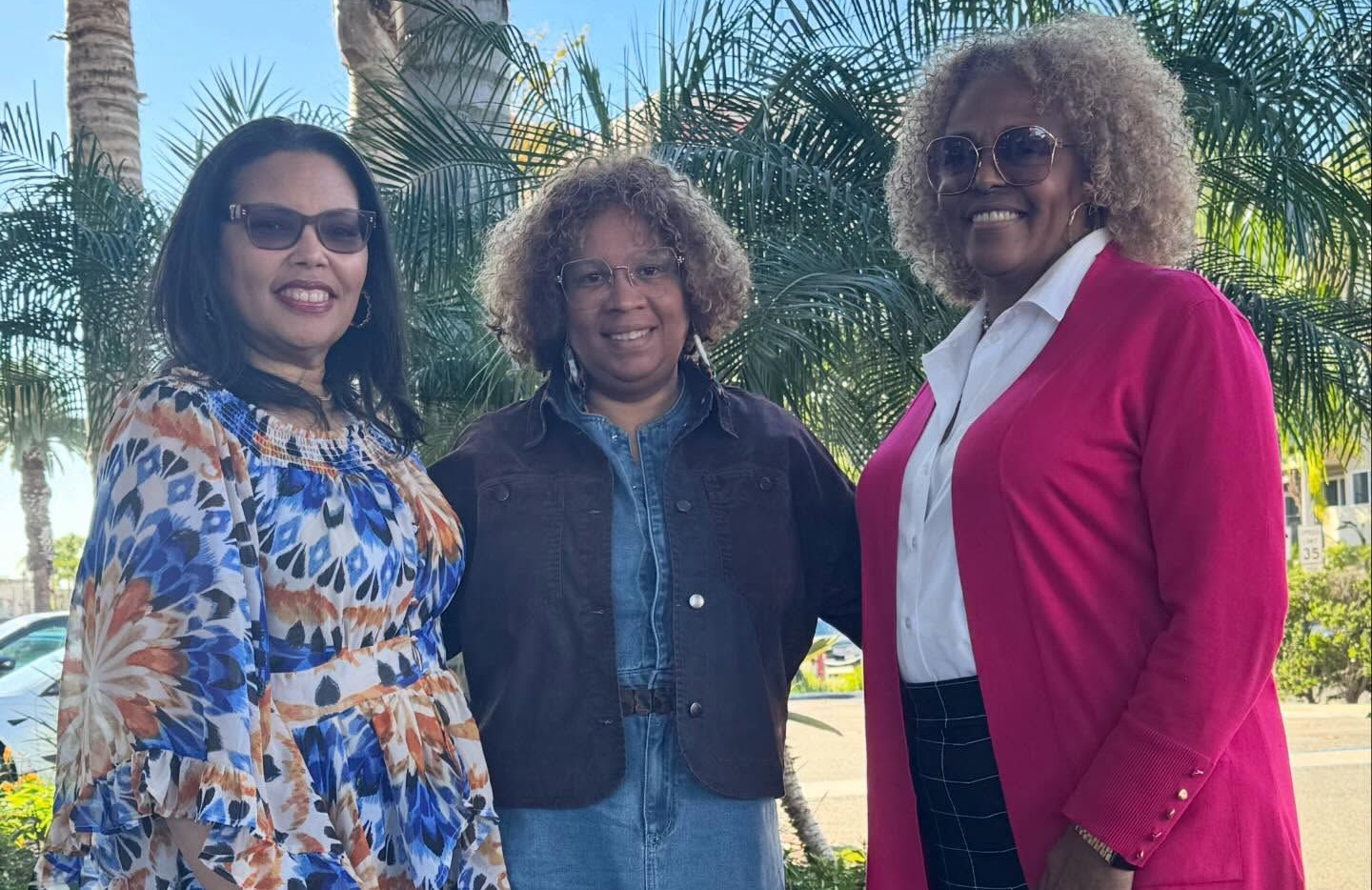
There’s a certain kind of electricity that happens when Black women come together — the kind that lifts conversations, opens doors, and quietly shifts what’s possible. That energy is exactly what’s gathering in Los Angeles. As the new year begins, Kellie Todd Griffin — CEO of the California Black Women’s Collective Empowerment Institute — looked across the landscape and saw something beautiful rising: Black women founders, executives, innovators, dreamers, and doers… each building in her own lane, often quietly, often carrying more than the world will ever see. She picked up the phone. Soon, Sarah Harris of the Black Business Association said yes. Angela Gibson-Shaw of the Greater Los Angeles African American Chamber of Commerce said yes. Partners at Los Angeles Economic Development Corporation, Los Angeles South Chamber of Commerce, and others said yes, too. Not because it was another event. But because it was time. Time to gather the women who build. Time to create something rooted in sisterhood, not performance. Connection, not competition. Presence — not pressure. And so, SheBuildsLA was born.
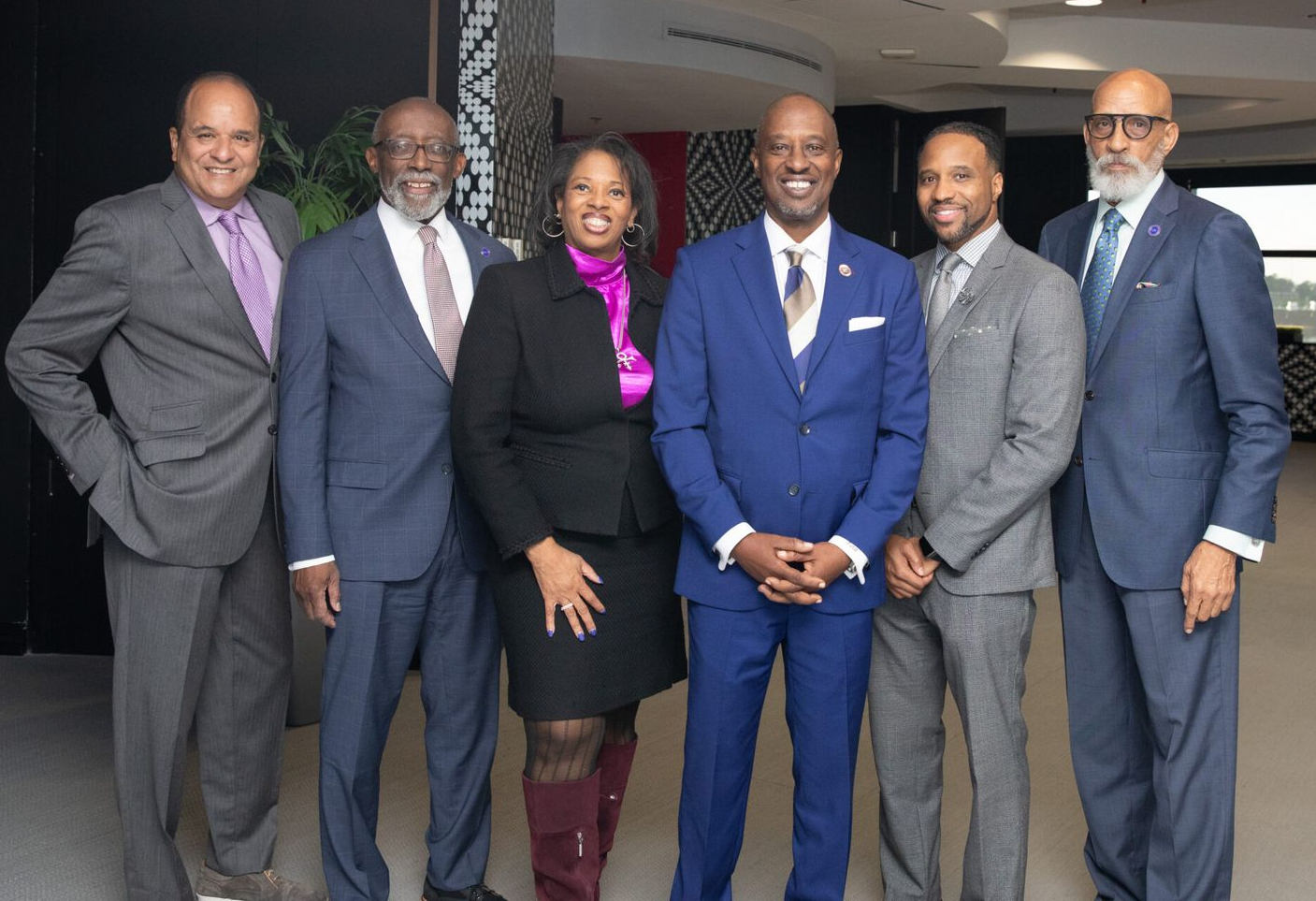
Washington, D.C. — Last week, U.S. Black Chambers, Inc. (USBC) proudly announced the historic acquisition of the former Black Entertainment Television (BET) Campus, a 7.88-acre landmark once home to Robert L. Johnson’s groundbreaking media empire. With an investment of more than $38 million, USBC will transform this iconic site into the USBC Innovation Campus — The Epicenter of Business and Commerce. This monumental achievement marks a once-in-a-generation opportunity to reimagine the future of Black enterprise. The new campus will serve as a national engine for business growth, innovation, and community impact rooted in Washington, D.C., extending its influence nationwide. More than a milestone for USBC, the acquisition represents a transformational investment in the city’s economic future. It strengthens Washington, D.C.’s position as a hub for innovation, entrepreneurship, and cultural advancement, driving job creation, small business expansion, and generational wealth for years to come. For over 16 years, USBC has been the national voice of Black businesses. With this milestone, USBC enters a new era as the global voice of Black enterprise. Ron Busby Sr., President & CEO of the U.S. Black Chambers, Inc., stated: “When I reflect on the journey of the U.S. Black Chambers over the past 16 years, I see a story of resilience, vision, and progress. This campus is the next chapter of that story — not just a building, but a living symbol of what happens when we claim our space, own our future, and build institutions that outlast us. The USBC Innovation Campus is about more than today’s entrepreneurs; it’s about ensuring that generations to come inherit a place where their ideas, voices, and businesses can thrive.”
