

Leadership & Influence
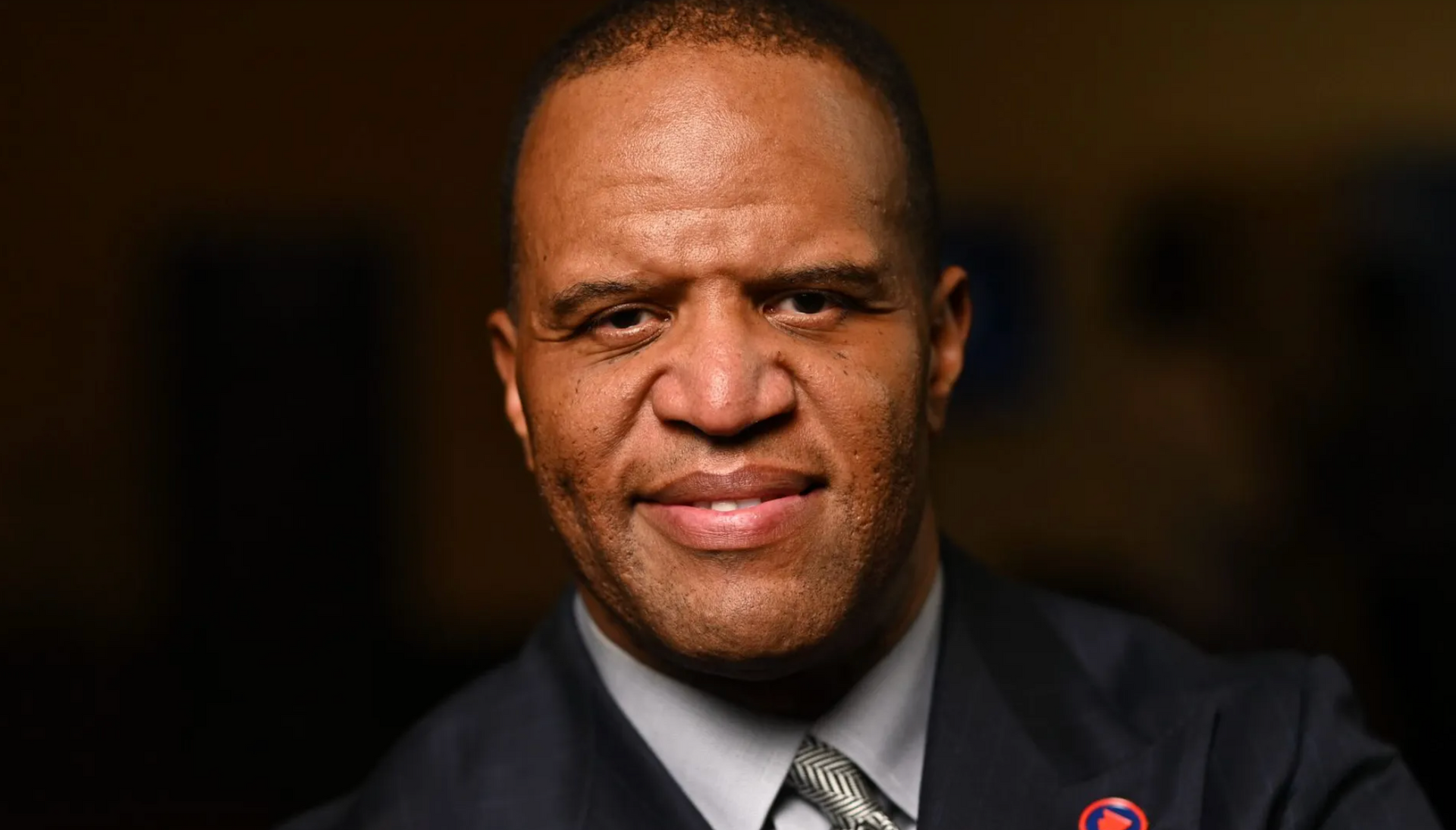
Operation HOPE is proud to announce that U.S. News & World Report has named our Founder, Chairman and CEO, John Hope Bryant, one of its 2025 “Best Leaders in Business.” This annual recognition honors just 25 influential leaders across business, education, public service, and healthcare who embody the leadership qualities Americans value most. This year’s honorees include changemakers such as Mark Cuban, Dolly Parton, Sal Khan, José Andrés, Michael J. Fox, MacKenzie Scott , and others, alongside our own Chairman Bryant, recognized for his work to expand financial opportunity and build an economy that works for everyone. “Empathy, generosity, and belief in people.” “I am deeply honored to be recognized by U.S. News & World Report alongside so many extraordinary leaders,” said John Hope Bryant. “This distinction affirms the values that guide our work at Operation HOPE – empathy, generosity, and belief in the potential of every individual. Our team is committed to expanding financial opportunity, building financial resilience, and helping underserved communities take control of their economic future.” Bryant was selected based on leadership traits identified in a nationally representative survey conducted by The Harris Poll , including empathy, generosity, and humility. After the survey findings were published, visitors to the U.S. News website were invited to nominate leaders who embody those qualities. A panel of expert judges from diverse industries then reviewed submissions and selected the 25 honorees . Among 2025’s Best Leaders in Business Dario Amodei, Ph.D. , CEO & Co-Founder, Anthropic Mark Cuban , Co-Founder, Mark Cuban Cost Plus Drug Company; Entrepreneur; Star of NBC’s “Shark Tank” Judy Faulkner , Founder & CEO, Epic Systems Alison Moore , CEO, Chief Ron Vachris , President, CEO & Director, Costco Wholesale Corp. Chairman Bryant and his fellow honorees were recognized on November 18, 2025, at a special reception in Washington, D.C. “Empathy, generosity, and belief in people.” “I am deeply honored to be recognized by U.S. News & World Report alongside so many extraordinary leaders,” said John Hope Bryant. “This distinction affirms the values that guide our work at Operation HOPE – empathy, generosity, and belief in the potential of every individual. Our team is committed to expanding financial opportunity, building financial resilience, and helping underserved communities take control of their economic future.” Bryant was selected based on leadership traits identified in a nationally representative survey conducted by The Harris Poll, including empathy, generosity, and humility. After the survey findings were published, visitors to the U.S. News website were invited to nominate leaders who embody those qualities. A panel of expert judges from diverse industries then reviewed submissions and selected the 25 honorees. Among 2025’s Best Leaders in Business Dario Amodei, Ph.D., CEO & Co-Founder, Anthropic Mark Cuban, Co-Founder, Mark Cuban Cost Plus Drug Company; Entrepreneur; Star of NBC’s “Shark Tank” Judy Faulkner, Founder & CEO, Epic Systems Alison Moore, CEO, Chief Ron Vachris, President, CEO & Director, Costco Wholesale Corp. Chairman Bryant and his fellow honorees were recognized on November 18, 2025, at a special reception in Washington, D.C. Community Transformation Fueled by "Silver Rights" For more than three decades, John Hope Bryant has championed what he calls “silver rights”, or the right to financial literacy, access to capital, and economic dignity. Under his leadership, Operation HOPE has: Empowered more than 4 million individuals with financial coaching, credit and money management support, homeownership preparation, and small business guidance. Helped generate over $4.2 billion in economic activity in underserved communities. Built a growing network of HOPE Inside locations that bring trusted financial coaches directly into neighborhoods, workplaces, and branches where people live and work. This recognition from U.S. News & World Report underscores that the power of love-driven leadership rooted in service can transform lives and communities. Milestones like this are only possible because of partners, supporters, and friends like you who believe in our mission and stand with us as we work to expand financial opportunity for all. Together, we are proving that doing well and doing good are not opposites. They are the blueprint for building a stronger America.

When Damola Adamolekun stepped into Red Lobster after its 2024 bankruptcy, he didn’t just inherit financial distress. He inherited exhaustion, confusion, and broken trust. This wasn’t only a balance sheet problem — it was a people problem. Instead of rushing into drastic cuts, he started with listening. He walked locations, asked questions, and acknowledged what employees were carrying. Many were simply “beat down.” That honest reset created space for real rebuilding to begin. People First — Because Culture Drives Performance Adamolekun treated employees as partners in the turnaround, not as line items. Town halls, conversation, training, and performance incentives restored dignity and ownership. As morale improved, customer experience improved. Recovery didn’t begin with marketing campaigns — it began with people feeling valued again. Restoring Order Before Chasing Growth Red Lobster’s decline had grown over time through high leases, outdated systems, and inconsistent operations. Adamolekun moved decisively but with discipline: renegotiating costly leases trimming unnecessary overhead tightening financial controls modernizing technology and data Speed mattered — but structure mattered more. Stability became the foundation for everything that followed. Modernizing Without Losing the Brand With systems stabilized, innovation was intentional. Menu refreshes, updated presentation, and more accessible pricing brought new energy while honoring the classics guests still love. The goal wasn’t reinvention — it was relevance. Innovation supported the mission instead of replacing it. Culture First. Numbers Next. Projected profitability by 2026 signals more than a financial comeback. It reflects alignment returning across the organization — stronger systems, motivated teams, and customers reconnecting. True turnarounds rarely start in spreadsheets. They begin with clarity, trust, and disciplined execution — and then the numbers follow. Leadership With Courage and Care At just 36, Adamolekun models a leadership style rooted in empathy and decisiveness. He acknowledged pain, took ownership, made difficult choices, stayed visible, and invited people back into purpose. He recognized that morale isn’t “extra.” It is infrastructure. Learnings / Takeaways Repair trust before fixing strategy. People cannot perform in survival mode. Morale is operational. Respected teams deliver better service and stronger results. Discipline beats drama. Order and systems must precede aggressive growth. Innovate thoughtfully. Refresh the experience without abandoning the brand’s core. Culture drives outcomes. Healthy organizations produce healthy numbers.

AStory of Representation, Innovation, and the Next Chapter of Urban Economic Power Magic Johnson Enterprises (MJE) has announced a powerful new chapter in its legacy of economic mobility and community-centered entrepreneurship: Alexia Grevious Henderson has been named President of Magic Johnson Enterprises, effective immediately. Her appointment signals more than a promotion — it represents a generational shift. It affirms the rise of a new class of visionary leaders who understand that wealth-building, community uplift, and strategic innovation must move together. A Leader Rooted in Excellence — and Built for Impact Since joining MJE in 2017 as Senior Manager of Marketing and Communications, Henderson has steadily advanced, proving herself to be a builder, a strategist, and a trusted architect of the MJE brand. Most recently, as Vice President of Strategic Partnerships and Marketing, she led: High-level corporate partnerships Fulfillment of national and global brand contracts Integrated marketing and communications efforts that expanded MJE’s influence and reach Under her leadership, MJE strengthened its position as one of the most respected vehicles for community-driven economic growth. Magic Johnson himself affirmed her brilliance: “Alexia is one of the brightest young minds in business today. Her leadership and creativity have elevated our brand, our partnerships, and our mission.” Her track record reflects what the Urban Enterprise Framework celebrates: excellence, service, access, and the advancement of historically underestimated communities. A Career Anchored in Purpose Before MJE, Henderson gained experience with the Washington Commanders (formerly the Redskins) and began her career with the NCAA in Indianapolis. Her work and reputation have earned her national recognition, including being named: Sports Business Journal’s “30 New Voices Under 30” Diverse Representation’s “Top Ten to Watch” Beyond corporate success, she serves on the board of A.Bevy, an arts and education nonprofit helping young adults find clarity in their passion, path, and purpose — embodying the Urban Enterprise principle that leadership is service. A Powerful Representation Moment for Urban America The Urban Enterprise Framework recognizes milestones like this as more than professional wins — they are community wins. Henderson’s presidency represents: A breakthrough for women in the C-suite leadership A breakthrough for Black leaders shaping national economic strategy A breakthrough for the next generation for urban innovators and changemakers Rooted in Community, Positioned for Global Impact A native of Fort Mill, South Carolina, Henderson is a graduate of Clemson University and holds an MBA from Pepperdine University. She now resides in Los Angeles with her husband, Aaron — the heart of a city where entrepreneurship, entertainment, and community-driven innovation intersect. About Magic Johnson Enterprises Founded by Earvin “Magic” Johnson, MJE is a diversified investment company committed to lifting communities through strategic partnerships across entertainment, sports, technology, real estate, and more. Its work aligns deeply with the Urban Enterprise Framework: building access, expanding ownership, and driving economic mobility in urban and underestimated communities.

The prospect of running for public office is both exciting and daunting. It offers an opportunity to make impactful changes, but it also exposes you to scrutiny and requires tremendous commitment. If you're contemplating throwing your hat into the political ring, it's essential to think through multiple factors before making your decision. Here are eight critical considerations to mull over: 1. Personal Readiness Entering politics is a life-altering choice, not just for you but also for your family and close ones. The demands on your time, privacy, and emotional well-being can be overwhelming. Questions to Ask : Are you emotionally, mentally, and physically prepared for the challenges? Have you discussed this with your family, and are they supportive? 2. Core Beliefs and Values Politics is an arena of competing interests and ideologies. Having a clear understanding of your core beliefs and values will guide your political journey. Questions to Ask : What causes or issues are most important to you? Are your views aligned with the electorate you wish to serve? 3. Skill Set and Qualifications Being in public office requires a diverse skill set, including but not limited to leadership, public speaking, and policy analysis. Questions to Ask : Do you possess the skills needed to succeed in office? If not, are you willing to learn or surround yourself with experts who do? 4. Financial Considerations Campaigning can be expensive, and public office may not offer the financial rewards that other careers do. Questions to Ask : Do you have the financial resources to run a campaign and sustain yourself in office? Are you ready to disclose your financial status, as is often required? 5. Electability and Public Perception Popularity and public perception play a crucial role in politics. Your history, conduct, and even appearance are often subject to public scrutiny. Questions to Ask : How are you perceived by the community? Do you have any skeletons in the closet that could become public and harm your candidacy? 6. Team and Support System A successful campaign requires a dedicated team for various functions: strategizing, fundraising, public relations, and more. Questions to Ask : Do you have a trustworthy team or know how to assemble one? Do you have mentors or advisors in the political arena? 7. Regulatory and Legal Requirements Different positions have different eligibility criteria, filing requirements, and regulations. Questions to Ask : Are you familiar with the legal requirements for the position you are considering? Do you meet the eligibility criteria? 8. Long-Term Goals and Exit Strategy Public office is often not a lifetime appointment. Whether you serve one term or multiple, you will eventually move on. Questions to Ask : What are your long-term goals? Do you see politics as a career or a stepping stone to other endeavors? What's your exit strategy? The Starting Point, Not the Destination Contemplating these eight points is just the starting point; running for public office is a long, complicated journey that will demand constant adjustment and reevaluation. However, these considerations can give you a solid foundation for making an informed decision. Running for public office is a significant decision that should not be taken lightly. If you are considering this path, taking the time to reflect on these eight considerations will provide valuable insights and prepare you for the challenges and rewards that lie ahead.
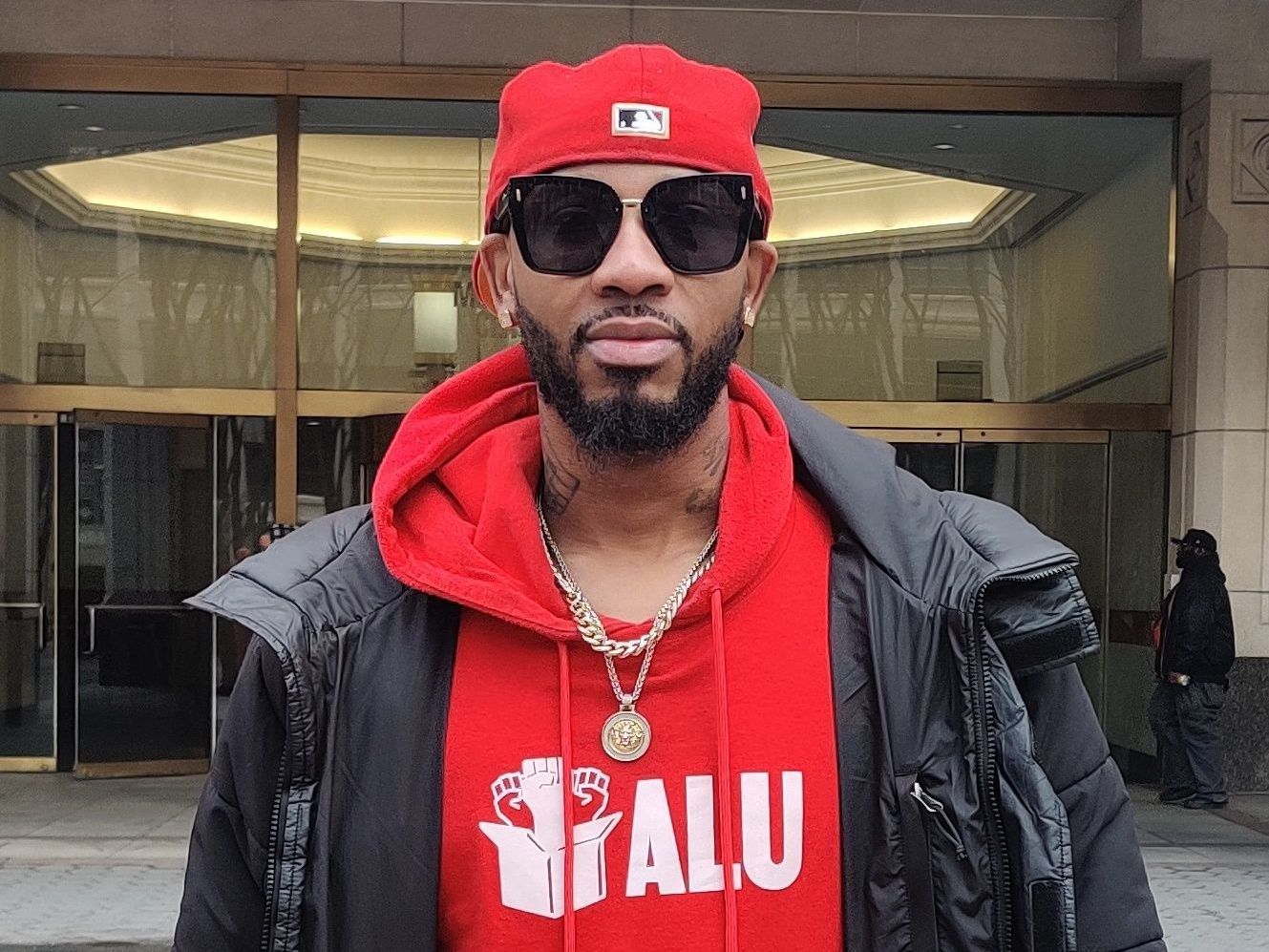
Chris Smalls has emerged as an unlikely hero, not just for the workers of Amazon but for the labor movement across America and beyond. He has become the President of the Amazon Labor Union, catalyzing significant shifts in a company known for its tough anti-union stance. His rise from a rank-and-file worker to a labor organizer has lessons in leadership that transcend industrial contexts and have universal applicability. 1. Embrace the Unexpected Chris’s journey began when he unexpectedly walked out of Amazon three years ago. His decision, driven by a deep-rooted sense of justice, has today turned him into a symbol of hope for many. Leaders often need to embrace the unexpected and leverage it for positive change. 2. Prioritize the Immediate Task Despite the allure of media attention and numerous emails, Chris has remained focused on getting a contract for JFK workers. Leaders should always keep their eyes on the immediate goal, ensuring it aligns with the broader mission. 3. Share the Reality Chris paints a vivid picture of the demanding work environment at Amazon. By sharing his personal experience, he humanizes the struggle and educates the masses on the realities many face. Great leaders tell stories that connect and mobilize. 4. Find Inspiration from Setbacks The failed unionization attempt in Bessemer, Alabama, became a source of inspiration for Chris. Leaders often encounter setbacks; the key is to learn from them and use them as fuel to keep going. 5. Build Solidarity Beyond Borders Chris's commitment isn't limited to America. He has connected with workers from London to Cuba, demonstrating the universality of the labor struggle. Leaders must think globally, fostering international collaborations and solidarity. 6. Stay Motivated While challenges abound, Chris is driven by the possibility of causing billionaires to rethink their decisions. He's inspired by stories of grassroots movements and international solidarity. Leaders must find their unique source of motivation to persist. 7. Learn Continuously From understanding the deep divides in organizational alignments to the intricacies of American labor politics, Chris's journey is one of continuous learning. Effective leaders are always students, open to gaining new insights and understanding. 8. Foster International Solidarity Chris's efforts have sparked interest from other organizations and countries. By fostering international collaboration, leaders can amplify their cause and create a more substantial impact. 9. Celebrate Victories but Look Ahead The Amazon Labor Union's election win was monumental, but Chris understands that it's the beginning. Leaders should celebrate victories but must always focus on the next milestone. 10. Hold Entities Accountable Whether it's Amazon or established unions, Chris stresses the importance of accountability. Leaders must consistently challenge existing systems, pushing them towards greater fairness and justice. In conclusion, Chris Smalls's leadership journey is an inspiration to many. His commitment, resilience, and vision offer lessons not just for labor organizers but for leaders across sectors. As the labor landscape continues to evolve, it's voices like Chris's that will guide the way, urging us all to build a more equitable and just world.
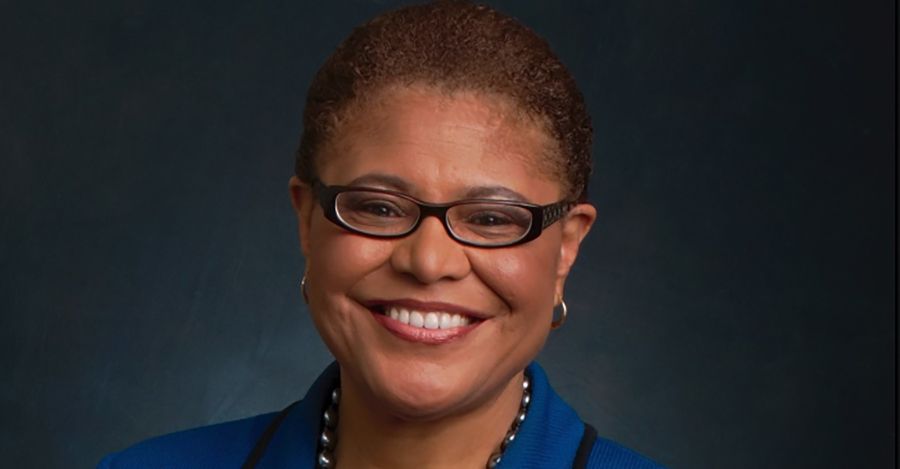
With her tenacious spirit and unwavering commitment to community betterment, Mayor Karen Bass has emerged as one of the foremost figures in modern leadership. Her political career, marked by transformative policies serves as an illuminating case study for leaders everywhere. In this article, we delve into seven pivotal lesson on leadership we're learning from Los Angeles City Mayor Karen Bass: 1. Winning is a Collective Effort Lesson: The celebration of Mayor Bass's election victory was a testament to the collective effort of her team and the unwavering support of her community. Leadership isn't about a solitary figure but about the collective strength and unity of a group. Application: Recognize and value the contributions of everyone involved. A leader is only as good as the team behind them, and every achievement is a team win. 2. The Power of Effective Communication Lesson: Mayor Bass's gift of eloquence, combined with her ability to simplify complex issues for her community, has been a defining trait of her leadership. Application: Prioritize open and transparent communication. Ensure that your ideas and policies resonate and are easily understood by your intended audience. 3. Prioritizing Long-Term Solutions: The Fight Against Homelessness Lesson: Rather than seeking quick fixes, Mayor Bass's commitment to reducing homelessness has centered on finding comprehensive, lasting solutions, from creating affordable housing projects to offering extensive mental health services. Application: Address challenges at their root. Look beyond the immediate problem and strive for solutions that provide long-term benefits. 4. Embracing Adaptability Lesson: In the face of challenges, Mayor Bass consistently demonstrated an ability to pivot and adapt, essential traits for governing a city as vibrant and ever-changing as Los Angeles. Application: In an unpredictable world, the capacity to adjust and reformulate strategies is a leader's asset. Stay flexible and open to change. 5. Keeping the Community at the Forefront Lesson: At the heart of Bass's policies lies a genuine concern for her community. Her active engagements with various community organizations demonstrate a hands-on approach. Application: Foster a deep connection with the community you serve. Their feedback, support, and concerns should shape your leadership strategies. 6. Upholding Integrity and Fostering Transparency Lesson: One standout trait of Bass's administration is transparency. She has been candid about her initiatives' successes and challenges, earning her community's trust. Application: Integrity builds loyalty. Being honest about both achievements and setbacks fosters trust and reinforces your credibility. 7. The Art of Persistence Lesson: Leadership is not without its hurdles. Through every challenge, Mayor Bass has displayed an unwavering determination, especially in her mission to combat homelessness. Application: Stay committed to your cause. While the path may be laden with obstacles, consistent effort and focus will eventually bear fruit. Karen Bass's leadership in Los Angeles serves as a powerful model for leadship, dedication, and a genuine desire to effect change. Her approach, combining compassionate community engagement with strategic planning and perseverance, offers an inspiring blueprint for effective and impactful leadership in the modern world.

Afrocentric leadership intertwines age-old African philosophies, traditions, and values into contemporary leadership paradigms. It offers a refreshing perspective that places community, heritage, and mutual respect at the core. In our dynamic global landscape, such an approach not only celebrates African wisdom but also provides inclusive strategies beneficial for diverse settings. Here are seven pivotal practices that underscore Afrocentric leadership skills: 1. Ubuntu: A Collective Ethos Originating from the Nguni Bantu term, Ubuntu translates to "I am because we are." This philosophy is foundational to Afrocentric leadership, emphasizing communal achievement over individual success. Application : Cultivate a team ethos where successes are collective and challenges are addressed collaboratively. This fosters trust, mutual respect, and a harmonious working environment. 2. Power of Oral Narratives Storytelling is a cherished tradition in African cultures, used to convey wisdom, heritage, and moral lessons. Application : Harness stories to communicate values, vision, or changes within the organization. Narratives can bridge understanding, foster a shared identity, and inspire action. 3. Valuing Elders and Ancestral Wisdom Elders in African societies are reservoirs of knowledge and experience. They guide and mentor the next generation, ensuring continuity and preservation of wisdom. Application : Encourage mentorship programs and intergenerational dialogues within the organization. Such exchanges enhance decision-making, foster respect, and bridge generational gaps. 4. Holistic and Inclusive Decision-Making Afrocentric leadership stresses the importance of making decisions that cater to the larger community and ecosystem. Application: Decisions should take into account their broader impact, encompassing community welfare, environmental sustainability, and long-term repercussions. 5. Cultural Affirmation and Authentic Self-Expression Afrocentric leadership champions the pride of African heritage, traditions, and values. Application: Create an organizational culture that values diversity and encourages individuals to express their unique cu ltural identities. Celebrate cultural events and encourage inclusive dialogue. 6. Community Building through Mentorship The adage, "It takes a village to raise a child," epitomizes the importance of collective effort in African societies. Application: Prioritize mentorship and knowledge-sharing initiatives. Establishing a sense of community ensures every member feels em powered, supported, and valued. 7. Reciprocity and Mutual Respect I n many African communities, interactions are built on a foundation of give-and-take, ensuring harmonious coexistence. Application: Foster an organizational climate where mutual respect is paramount. Encourage open dialogue, active listening, and ensure ever y voice, regardless of rank or tenure, is valued. Afrocentric leadership skills are a testament to the depth and richness of African wisdom. By integrating these practices, leaders can carve pathways that honor heritage while building inclusive, sustainable, and vibrant organizations. Leadership, after all, is not just about guiding but about connecting, understanding, and enriching communities.

Jones is jump-starting his mission with the surprise $100 million he received from Amazon founder Jeff Bezos after being named the Courage and Civility Award recipient of 2021. As the Courage and Civility Award recipient in 2021, Jones said receiving the call from the wealthiest man in the world to accept the award was a “transformative moment.” “I never, never thought I’d get a $1 million grant, let alone $100 million,” Jones said, according to US Magazine. “And it gave me the opportunity for the first time to really sit back, think, what could I do that would make a bigger difference?” Chef Jose Andres and music legend Dolly Parton are two other celebrities who have won the award. Bezos has stated it’s intended to recognize individuals who have “demonstrated courage” and attempted to be a unifier in a divided world. “I knew immediately I wanted to disrupt these systems that have been holding underestimated communities back,” Jones said, US Magazine reported. “I knew I wanted to do something to disrupt the for-profit prison system, to disrupt the systems that put a lot of pollution in our communities and lead to poverty.” Jones also invested in the Philadelphia-based nonprofit organization Beat The Block, which provides young men between 18 and 24 who are loitering on street corners and getting into trouble with paid training to help them achieve their personal and professional objectives. Jones said that of the 58 young people participating in Beat The Block, 88% found employment, 57% established businesses, and 100% registered to vote. The investment plan to curb poverty using the funds from Bezos comes after Jones’ alleged ejection from Dream, according to The Daily Beast . Several sources connected to the organization claimed Jones resigned from the nonprofit’s board after arguing with the group’s leadership about its future, but he did not depart voluntarily. Jones’ publicist and a representative for the organization gave ambiguous answers rather than denying his removal from the board. His spokesperson noted that he is working to launch a new, complementary initiative, which will be announced soon. Jones ceased managing day-to-day operations in 2019, according to a Dream spokeswoman, but “has continued to be a valuable resource for us, and we’re excited to support the launch of his forthcoming initiative.” “What if we could create an ecosystem that meant people could make money helping people stay out of prison and helping people get on their feet when they came home?” Jones asked, US Magazine reported. “What if instead of having an incarceration industry, you had a decarceration industry?”

The nonprofit sector, an amalgamation of passion, purpose, and societal contributions, requires leaders who can bridge the gap between vision and actionable results. To not only survive but also flourish in this domain, organizations must incorporate both heart-driven missions and practical strategies. Here's a deeper exploration of nine pivotal considerations that are integral to nonprofit success: 1. Mission Clarity : Importance : Every nonprofit is bound by its mission. This core ethos provides direction, engages stakeholders, and sets the stage for every future endeavor. Action Step : Define a comprehensive mission statement and revisit it periodically to ensure alignment with ongoing initiatives and evolving societal needs. 2. Sustainable Funding: Importance : Financial viability is the lifeblood of any nonprofit, enabling it to carry out its mission consistently. Action Step : Diversify funding streams, explore partnerships, and remain open to innovative fundraising methods to ensure stability amidst economic fluctuations. 3. Engaging Stakeholders: Importance : A nonprofit's strength lies in its community. Engaging with stakeholders fosters trust, invites collaboration, and solidifies the organization's role in the community. Action Step : Implement a dynamic communication plan, employ regular feedback mechanisms, and prioritize relationship-building events. 4. Effective Governance and Leadership: Importance : Strong leadership and governance structure anchor a nonprofit, instilling both direction and ethical accountability. Action Step : Foster a diverse board, emphasize continuous leadership training, and facilitate transparent decision-making processes. 5. Outcome Measurement: Importance : Demonstrating impact and assessing program effectiveness is crucial in the data-centric age. Action Step : Leverage modern tools for data collection, and employ storytelling techniques to present outcomes compellingly. 6. Adaptability: Importance : The dynamic nature of the nonprofit sector necessitates agility and a readiness to evolve. Action Step : Encourage a culture of continuous learning, and stay attuned to emerging trends and technologies. 7. Collaboration: Importance : Collaborative initiatives amplify reach, harness shared resources, and lead to creative problem-solving. Action Step : Network proactively, explore strategic partnerships, and remain open to joint community projects. 8. Volunteer Management: Importance : Volunteers are often the backbone of nonprofit organizations, providing invaluable manpower and community connections. Action Step : Develop a structured volunteer onboarding process, offer training sessions, and create a system for recognition and appreciation to retain and motivate volunteers. 9. Continuous Learning and Development: Importance : To remain effective and relevant, nonprofits must prioritize the growth and development of their staff and members. Action Step : Invest in workshops, training sessions, and courses that empower your team with the latest skills and knowledge in the sector. The nonprofit sector, with its unique challenges and rewards, demands a holistic approach that merges purpose-driven missions with strategic prudence. By assimilating these nine considerations into their operational framework, nonprofits can better position themselves to create lasting, positive ripples in the communities they serve.
