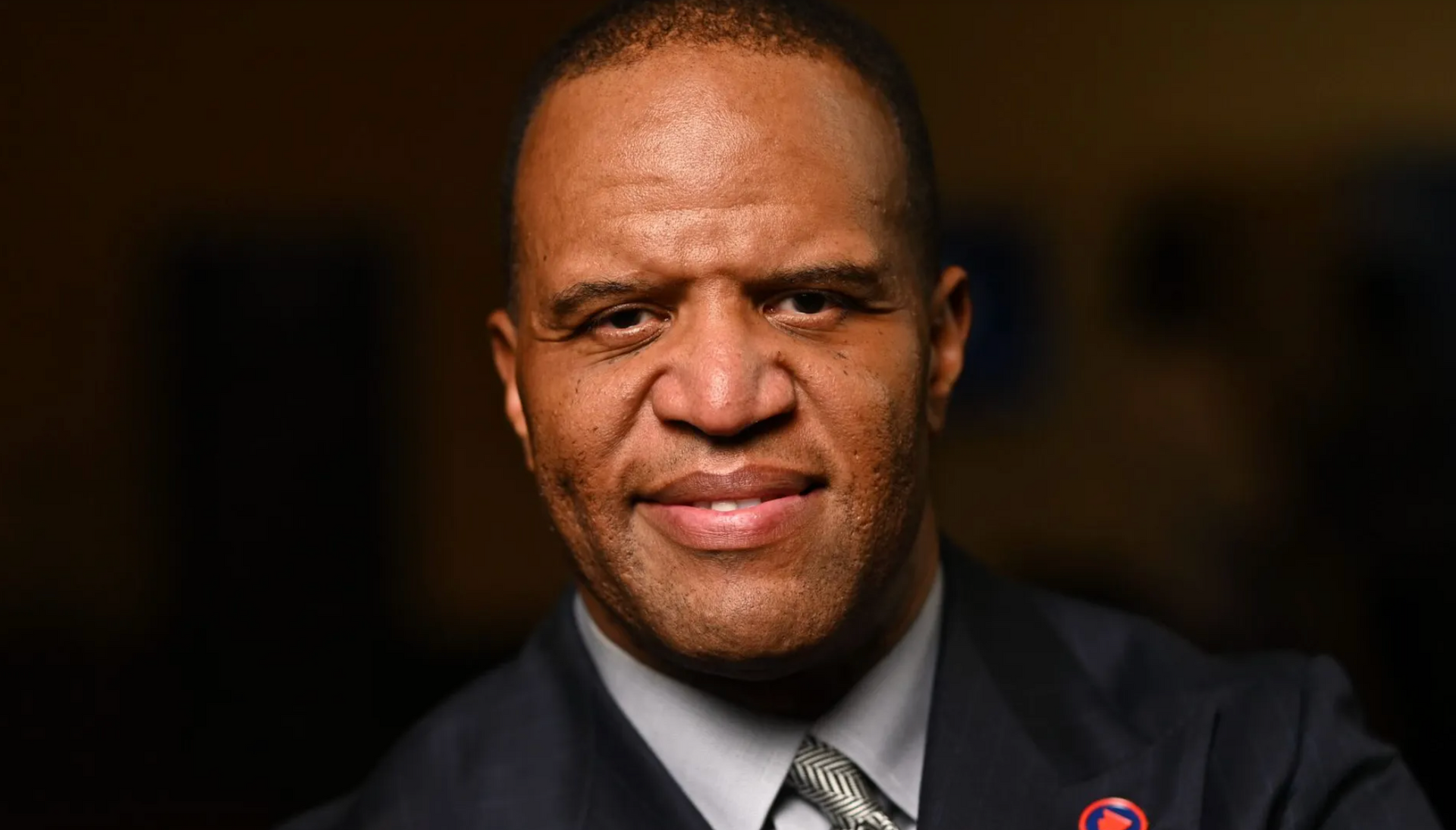
U.S. News Names John Hope Bryant One of America’s Best Leaders
Kim Anthony • December 29, 2025

Operation HOPE is proud to announce that U.S. News & World Report has named our Founder, Chairman and CEO, John Hope Bryant,  one of its 2025 “Best Leaders in Business.” This annual recognition honors just 25 influential leaders across business, education, public service, and healthcare who embody the leadership qualities Americans value most.

This year’s honorees include changemakers such as Mark Cuban, Dolly Parton, Sal Khan, José Andrés, Michael J. Fox, MacKenzie Scott, and others, alongside our own Chairman Bryant, recognized for his work to expand financial opportunity and build an economy that works for everyone.


“Empathy, generosity, and belief in people.”


“I am deeply honored to be recognized by U.S. News & World Report alongside so many extraordinary leaders,” said John Hope Bryant. “This distinction affirms the values that guide our work at Operation HOPE – empathy, generosity, and belief in the potential of every individual. Our team is committed to expanding financial opportunity, building financial resilience, and helping underserved communities take control of their economic future.”


Bryant was selected based on leadership traits identified in a nationally representative survey conducted by The Harris Poll, including empathy, generosity, and humility. After the survey findings were published, visitors to the U.S. News website were invited to nominate leaders who embody those qualities. A panel of expert judges from diverse industries then reviewed submissions and selected the 25 honorees.

Among 2025’s Best Leaders in Business 

  • Dario Amodei, Ph.D., CEO & Co-Founder, Anthropic

  • Mark Cuban, Co-Founder, Mark Cuban Cost Plus Drug Company; Entrepreneur; Star of NBC’s “Shark Tank”

  • Judy Faulkner, Founder & CEO, Epic Systems

  • Alison Moore, CEO, Chief

  • Ron Vachris, President, CEO & Director, Costco Wholesale Corp.

Chairman Bryant and his fellow honorees were recognized on November 18, 2025, at a special reception in Washington, D.C.

“Empathy, generosity, and belief in people.”


“I am deeply honored to be recognized by U.S. News & World Report alongside so many extraordinary leaders,” said John Hope Bryant. “This distinction affirms the values that guide our work at Operation HOPE – empathy, generosity, and belief in the potential of every individual. Our team is committed to expanding financial opportunity, building financial resilience, and helping underserved communities take control of their economic future.”


Bryant was selected based on leadership traits identified in a nationally representative survey conducted by The Harris Poll, including empathy, generosity, and humility. After the survey findings were published, visitors to the U.S. News website were invited to nominate leaders who embody those qualities. A panel of expert judges from diverse industries then reviewed submissions and selected the 25 honorees.

Among 2025’s Best Leaders in Business 

  • Dario Amodei, Ph.D., CEO & Co-Founder, Anthropic

  • Mark Cuban, Co-Founder, Mark Cuban Cost Plus Drug Company; Entrepreneur; Star of NBC’s “Shark Tank”

  • Judy Faulkner, Founder & CEO, Epic Systems

  • Alison Moore, CEO, Chief

  • Ron Vachris, President, CEO & Director, Costco Wholesale Corp.

Chairman Bryant and his fellow honorees were recognized on November 18, 2025, at a special reception in Washington, D.C.


Community Transformation Fueled by "Silver Rights"


For more than three decades, John Hope Bryant has championed what he calls “silver rights”, or the right to financial literacy, access to capital, and economic dignity. Under his leadership, Operation HOPE has:

  • Empowered more than 4 million individuals with financial coaching, credit and money management support, homeownership preparation, and small business guidance.

  • Helped generate over $4.2 billion in economic activity in underserved communities.

  • Built a growing network of HOPE Inside locations that bring trusted financial coaches directly into neighborhoods, workplaces, and branches where people live and work.

This recognition from U.S. News & World Report underscores that the power of love-driven leadership rooted in service can transform lives and communities.

Milestones like this are only possible because of partners, supporters, and friends like you who believe in our mission and stand with us as we work to expand financial opportunity for all.

Together, we are proving that doing well and doing good are not opposites. They are the blueprint for building a stronger America.
Never Miss a Story.
SUBSCRIBE

Contact Us
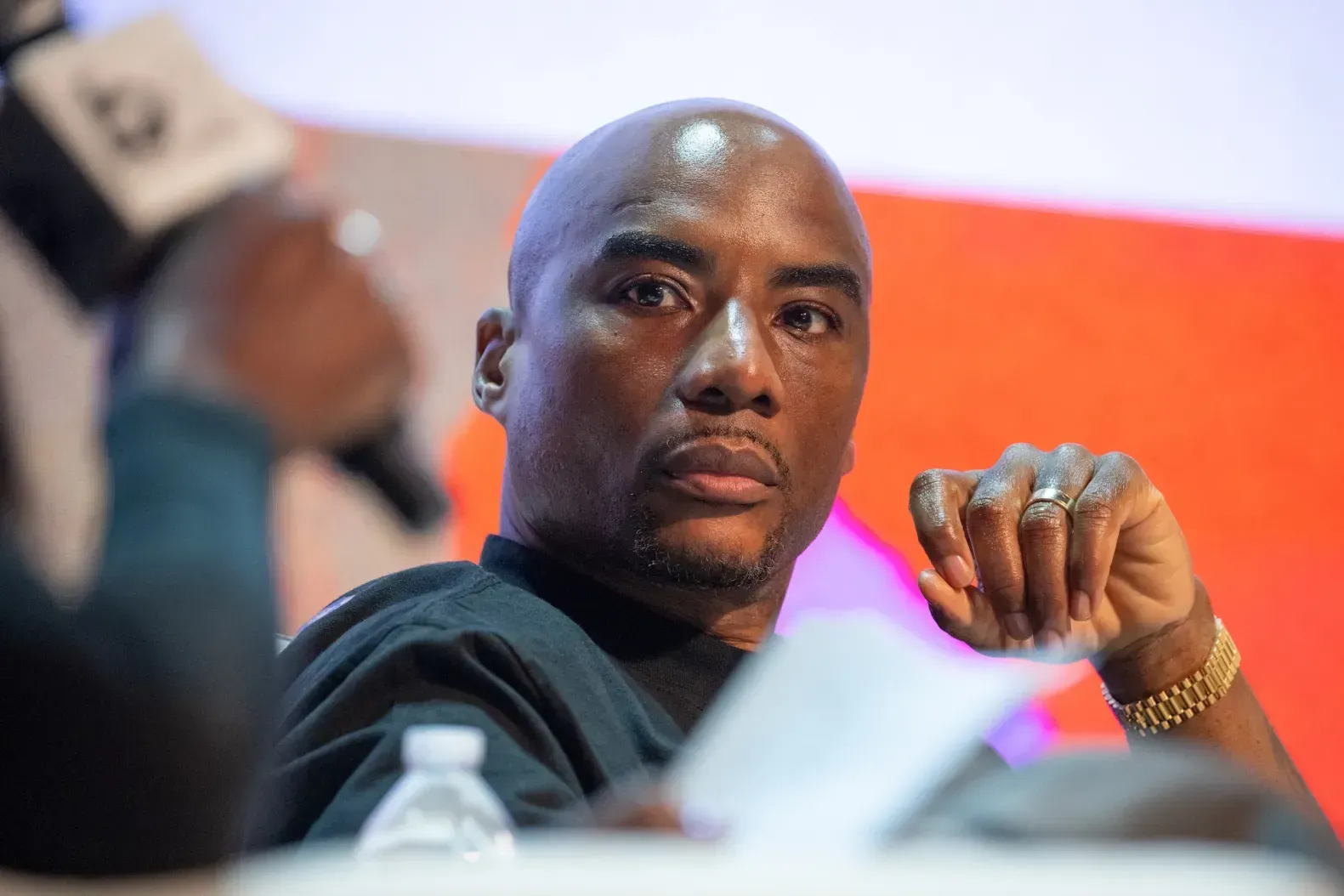
By Kim Anthony December 29, 2025
iHeartMedia, the #1 audio company in America, announced today that it has extended its relationship with the culture-shifting multimedia mogul Charlamagne Tha God, co-host of iHeartMedia New York's Power 105's wildly popular and nationally syndicated hit radio show "The Breakfast Club," heard by over 7 million listeners monthly and founder of The Black Effect podcast network. One of the world’s most well-informed, authoritative and distinctive media personalities, Charlamagne Tha God has become a crucial and influential voice in American culture. Under the new multi-year agreement, Charlamagne will continue his uninhibited trademark interview style on the award-winning “The Breakfast Club” radio show, where he has long been recognized for his relentless effort to unveil truth by asking the questions audiences want to hear most, weekdays from 6-10:00 a.m. EST, as well as “Weekends with The Breakfast Club,” alongside co-hosts DJ Envy, Jess Hilarious and Loren LoRosa . "When it comes to iHeartMedia, gratitude will always be my attitude. They’ve created space for me to grow not just as talent, but as an executive and true partner through The Black Effect Podcast Network,” said Charlamagne Tha God. “To say that I’m thankful is an understatement. iHeart is the biggest and best audio company on the planet and audio is the foundation on which the whole media conglomerate will be built. Podcasting, live events, TV/film and documentaries, the sky is the limit for where we are going; and radio will always be at the core of it. Here's to a new era of growth, impact, and prosperity.” “The Breakfast Club,” celebrating its 15-year milestone this month, has become the bullhorn for modern culture and is widely regarded as the most informative and entertaining top-rated contemporary Hip-Hop/R&B morning show today. Charlamagne Tha God and his co-hosts DJ Envy, Jess Hilarious, and Loren LoRosa are known for their unrivaled interviews with celebrities and recording artists. Esteemed guests who have appeared on the show include former President Barack Obama, former President Joe Biden, former Vice President Kamala Harris, Jay-Z, Cardi B, Kendrick Lamar, Kevin Hart, Snoop Dogg, Future, 50 Cent, Lizzo, Will Smith, Alicia Keys and many more. The crew also hosts “Weekends with The Breakfast Club,” a 3-hour weekly program featuring a countdown of the top 20 songs on the charts and signature interviews. Charlamagne Tha God and “The Breakfast Club” were inducted into the Radio Hall of Fame in 2020. “Charlamagne has been a transformative voice in audio, redefining what it means to create content that sparks dialogue and drives cultural change. Through The Breakfast Club and his growing podcast network, he’s amplified diverse voices, tackled tough conversations, and built platforms that continue to resonate with audiences nationwide,” said Rich Bressler, President & COO for iHeartMedia. "His influence has helped shape the future of audio and we’re energized by what lies ahead and appreciate his ongoing trust in iHeart.” Charlamagne Tha God was represented by Ted Chervin at CAA, with legal counsel provided by Loan Dang of Del Shaw Moonves Tanaka Finkelstein Lezcano Bobb & Dang. Financial strategy and advisory were led by Humble Lukanga and Laura Rutebuka of Lifeline Financial Group. The agreement was developed in close partnership with Charlamagne’s longtime business partner Karen Kinney of KK Entertainment & Media. Additionally, iHeart and Charlamagne will continue to partner on the historic joint venture, The Black Effect Podcast Network -- the world’s largest podcast publisher dedicated to Black listeners, bringing together the most influential and trusted voices in Black culture for stimulating conversations around social justice, pop culture, sports, mental health, news, comedy and more. Launched in 2020 and curated by Charlamagne himself, The Black Effect has debuted 60+ shows -- generating 11 million monthly downloads and features a luminous roster of marquee talent and influential voices committed to enlightening, educating and entertaining audiences. Earlier this year, “The Breakfast Club” replay podcast -- which served as the flagship show for the launch of The Black Effect Podcast Network – surpassed one billion downloads, joining a very short list of podcasts to reach this impressive milestone. About Charlamagne Tha God Lenard “Charlamagne Tha God” McKelvey is a multimedia mogul, Radio Hall of Fame inductee, and New York Times bestselling author who has spent nearly two decades shaping American culture. He is the co-host of iHeartMedia’s nationally syndicated The Breakfast Club , heard by more than 7 million listeners monthly and widely regarded as the most influential Hip-Hop and R&B morning show in the country. Known for his fearless interview style, Charlamagne has led headline-making conversations that spark cultural dialogue and tackle tough, timely issues. He is the founder of The Black Effect Podcast Network, a joint venture with iHeartMedia and the world’s largest podcast network dedicated to Black audiences, which has launched more than 60 shows and reaches over 11 million monthly downloads. He also founded Southland Stories, a film production company created to spotlight authentic, impactful storytelling. Outside of media, Charlamagne established the Mental Wealth Alliance to advance mental health awareness and provide resources in underserved communities. About iHeartMedia iHeartMedia, Inc. [Nasdaq: IHRT] is the leading audio media company in America, with nine out of ten Americans listening to iHeart broadcast radio in every month. iHeart’s broadcast radio assets alone have a larger audience in the U.S. than any other media outlet; twice the size of the next largest broadcast radio company; and over four times the ad-enabled audience of the largest digital only audio service. iHeart is the largest podcast publisher according to Podtrac, with more downloads than the next two podcast publishers combined, has the most recognizable live events across all genres of music, has the number one social footprint among audio players, with five times more followers than the next audio media brand, and is the only fully integrated audio ad tech solution across broadcast, streaming and podcasts. The company continues to leverage its strong audience connection and unparalleled consumer reach to build new platforms, products and services. Visit iHeartMedia.com for more company information. Photo Credit: Prince Williams/Getty Images
By Kim Anthony December 26, 2025
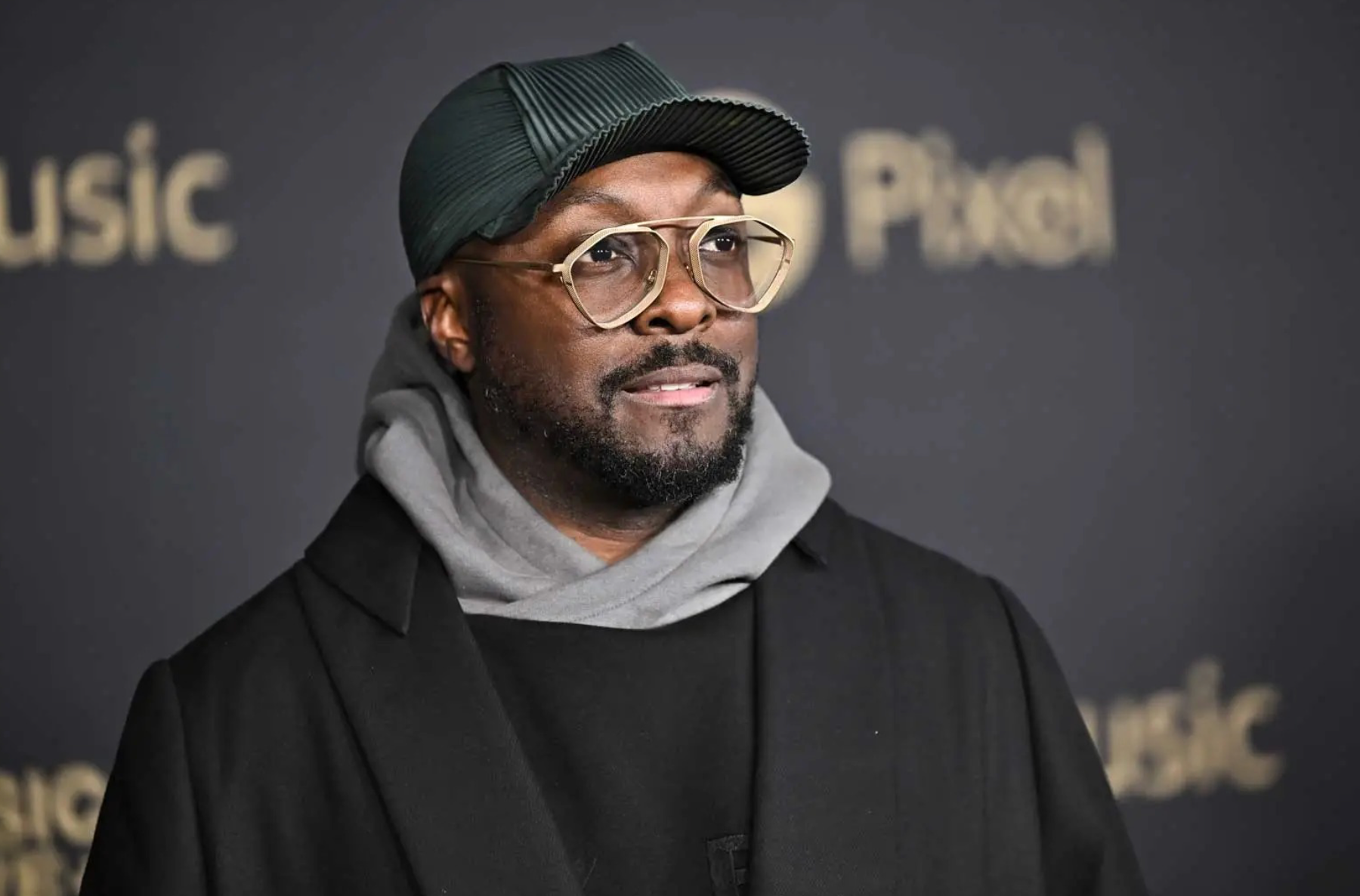
There’s a difference between working to survive — and working to build something that doesn’t yet exist. Will.i.am understands that difference intimately. Known around the world as a member of the Black Eyed Peas and a hit-making producer who has collaborated with artists like Nas, Ariana Grande, John Legend, The Game, Macy Gray, and Chris Brown, he is now also a tech entrepreneur with a traditional 9-to-5. But even with corporate structure in his life, his focus hasn’t changed. He is still building on his own terms — and encouraging other creators, builders, and founders to do the same. As he told Black Enterprise,“ Work-life balance means that you’re working for somebody else’s dream.” He’s not dismissing self-care. He’s reframing the idea entirely. Because for people who are designing something new — leaders, entrepreneurs, innovators, visionaries — balance looks different. Dream–Reality Balance vs. Work–Life Balance Will.i.am says the conversation shouldn’t always be about work-life balance. It should be about dream–reality balance . “If you’re trying to build something that doesn’t exist, it’s about dream-reality balance. Work-life balance means that you’re working for somebody else’s dream. But if it’s dream-reality balance, then it’s not work. It’s a dream you’re trying to put into reality.” In other words, people who are building something new are not simply clocking in and clocking out. They are taking the vision they see in their mind — and pulling it into the world. And that requires a different level of focus, sacrifice, and persistence. Structure First — Creativity After There was a time when Will.i.am made music all day and tried to squeeze tech work into the margins at night. Now he has flipped that rhythm: structured work during the day creativity and dream-building from 5 p.m. to 9 p.m. intentional discipline around both Not chaos. Not hustle culture. Not burnout. Structure in service of purpose. He encourages young people — especially those who want to create impact, launch businesses, build movements, or innovate — to think the same way: Build your future intentionally. Design your schedule around what you’re becoming — not only what you’re currently doing. Architects of the Future Think Differently Will.i.am is clear: people who are materializing visions cannot always think like people who simply maintain stability. “I’m not really paying attention to this reality., said Will.I.Am to Black Enterprise. "I’m trying to bring that one here… and to do that you have to sacrifice. Work-life balance is not for the architects that are pulling visions into reality.” He isn’t glorifying exhaustion. He is naming a truth: Creators, founders, and visionaries live in both worlds — the world that exists now, and the world they are birthing. And there are seasons when that requires staying committed long after the clock says “stop.” Learnings / Takeaways You must decide which reality you’re committed to. The current one — or the one you’re building. Purpose requires structure — not chaos. Discipline, schedules, and boundaries actually protect the dream. Sometimes “balance” isn’t the goal. Sometimes the goal is alignment: making sure your time reflects what you say matters. Builders think long-term. Entrepreneurs and visionaries live partly in the future — and pull it forward piece by piece. Sacrifice isn’t punishment. It’s investment. You’re trading comfort for creation.  Photo Credit: Will.i.am at the 2023 World Economic Forum by Foundations World Economic Forum is licensed under CC BY 2.0 .
By Kim Anthony December 26, 2025
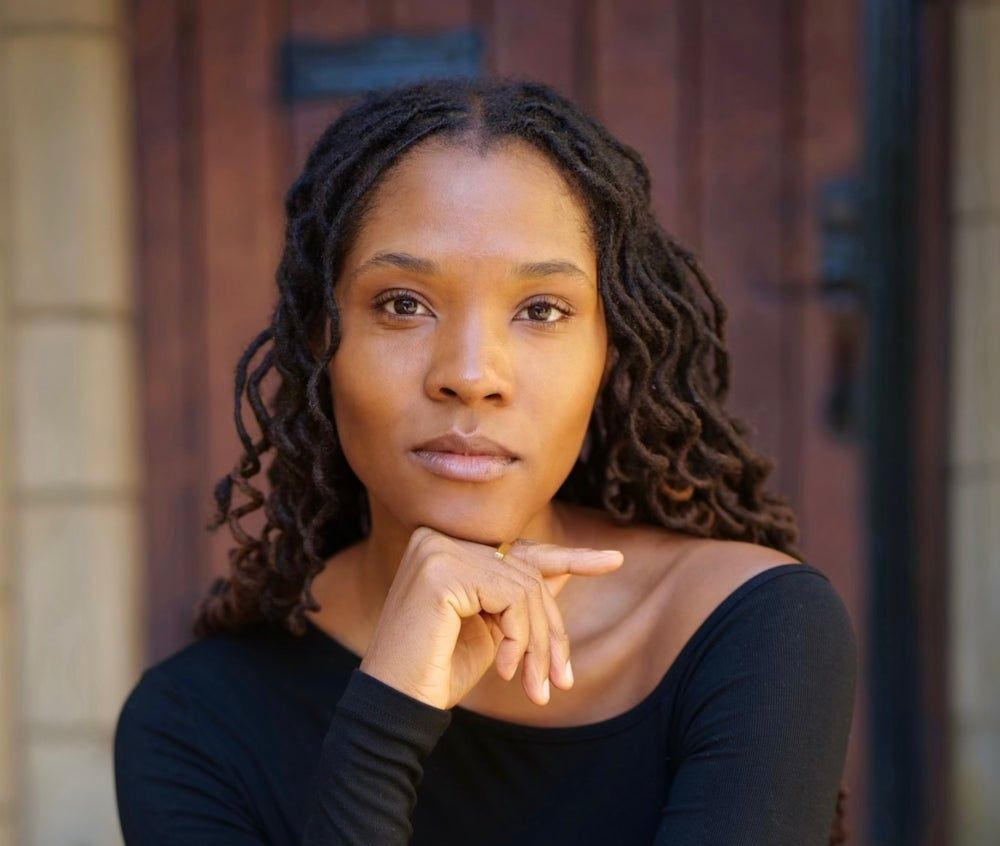
Dr. Rachel Laryea grew up as the daughter of a Ghanaian immigrant single mother — shaped by resilience, education, and deep curiosity about how people survive, thrive, and build. Her path took her from Goldman Sachs into the heart of global finance, and then into academia at Yale University, where she earned a dual PhD in African American Studies and Sociocultural Anthropology. She walked into Wall Street as both insider and outsider. And that tension — belonging and questioning at the same time — became the catalyst for her new book, Black Capitalists: A Blueprint for What Is Possible. Laryea describes her early corporate experience as a kind of “culture shock.” Goldman Sachs exposed her to wealth, privilege, speed, and power — but also to contradictions. The environment raised more questions than answers and set her on a path of asking: How do Black people navigate an economic system that has often profited from our labor — while rarely inviting us to benefit fully from it? That curiosity didn’t push her away from capitalism. Instead, it pushed her deeper into understanding how it works — and how it could work differently. Challenging the Story: Are Black People Only Labor — Never Beneficiaries? Much of academic conversation about capitalism and race assumes one truth: that Black participation inevitably leads to exploitation. There is history to support that view — slavery, discriminatory banking systems, and a racial wealth gap that remains wide. But Laryea noticed something striking during her time on Wall Street: Black people — and people of color — were not only surviving inside the “belly of the beast.” They were navigating, negotiating, growing, and sometimes redirecting resources back into their communities. Their relationship with capitalism wasn’t simple. It was: complicated strategic layered sometimes contradictory That realization reframed her work. Instead of asking whether Black people “belong” in capitalism, she began asking: What happens when Black people learn to reposition themselves inside the system — intentionally, ethically, and purposefully — to create social good? What Does It Mean To Be a “Black Capitalist”? In Black Capitalists, Laryea distinguishes between two ideas. A Black capitalist is someone who identifies as Black and deliberately repositions themselves within the economy to benefit — and to create social good. This isn’t about greed. It isn’t about replicating harm. It is about strategy, power literacy, and responsibility. Meanwhile, Black capitalism itself, she argues, is race-agnostic. Anyone — individually or collectively — can practice it, if the intention is to use economic tools to build, heal, strengthen, and expand opportunity. This way of thinking disrupts the traditional narrative that capitalism is either villain or savior. Instead, it becomes a tool — one that can be shaped. When Access Becomes Agency Laryea highlights real people using capitalism differently. Like a Goldman Sachs employee and Ifa priest who sees himself as a “spy” — gaining access, gathering resources, and redistributing them into Black communities. Nigerian-born entrepreneur Wemimo Abbey , co-founder of Esusu, whose company allows renters to build credit through their rent payments while preventing evictions. Abbey calls it a “win-win-win” because renters build credit, landlords stay paid and society reduces homelessness. This is capitalism leveraged — not blindly accepted. Choosing to Tell Her Own Story Many women Laryea interviewed feared exposure, even anonymously. Their experiences in corporate spaces mirrored hers: ambition, isolation, ceilings, contradictions, and the emotional costs of navigating systems not built for them. So she chose to stand in the gap — and tell her own story. By naming her experience, she honored theirs. Because so many Black professionals know this tension. We are invited to participate — but not always welcomed to benefit. Not Dismantle vs. Endorse — But Transform Laryea is realistic. Capitalism isn’t disappearing tomorrow. And ignoring it will not shield anyone from its impact. Her question becomes deeply pragmatic: If the system exists — how do we learn it, navigate it, use it, and reshape it toward justice? She calls for collective clarity and alignment. Lock arms. Get on the same page. Use tools wisely. Build equity wherever possible. Choose agency instead of reaction. Not assimilation. Not blind participation. Learnings / Takeaways Here are the deeper lessons her work invites: Power is not evil — but unmanaged power harms. Understanding economic systems is part of community protection and advancement. Access without purpose is empty. It’s not enough to “get in the door.” What matters is how resources flow once you're inside. Capitalism is a tool — not an identity. Tools can build homes — or burn them down. The hands using the tool matter. Participation is not betrayal. Black participation inside systems does not equal complicity when the intent is repair, uplift, and reinvestment. Storytelling matters. Naming our journeys gives others courage to step into power thoughtfully and responsibly. The work is collective. Transformation doesn’t happen in isolation. It happens when communities align — intentionally, strategically, bravely.
Show More