Rise, Build, Reinvest: A Blueprint for Courageous Prosperity
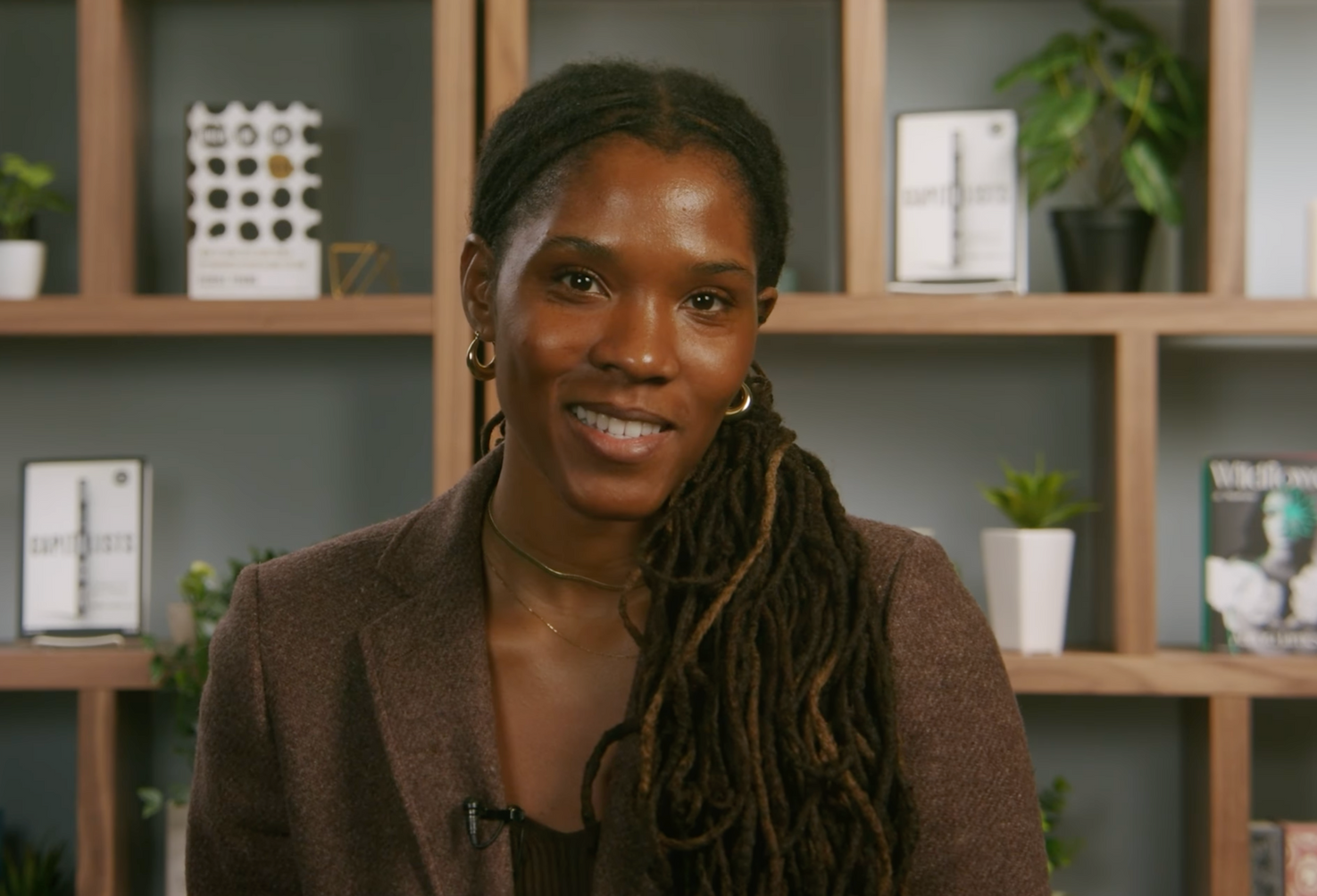
Dr. Rachel Laryea grew up as the daughter of a Ghanaian immigrant single mother — shaped by resilience, education, and deep curiosity about how people survive, thrive, and build. Her path took her from Goldman Sachs into the heart of global finance, and then into academia at Yale University, where she earned a dual PhD in African American Studies and Sociocultural Anthropology.
She walked into Wall Street as both insider and outsider.
And that tension — belonging and questioning at the same time — became the catalyst for her new book, Black Capitalists: A Blueprint for What Is Possible.
Laryea describes her early corporate experience as a kind of “culture shock.” Goldman Sachs exposed her to wealth, privilege, speed, and power — but also to contradictions. The environment raised more questions than answers and set her on a path of asking:
How do Black people navigate an economic system that has often profited from our labor — while rarely inviting us to benefit fully from it?
That curiosity didn’t push her away from capitalism. Instead, it pushed her deeper into understanding how it works — and how it could work differently.
Challenging the Story: Are Black People Only Labor — Never Beneficiaries?
Much of academic conversation about capitalism and race assumes one truth: that Black participation inevitably leads to exploitation. There is history to support that view — slavery, discriminatory banking systems, and a racial wealth gap that remains wide.
But Laryea noticed something striking during her time on Wall Street: Black people — and people of color — were not only surviving inside the “belly of the beast.” They were navigating, negotiating, growing, and sometimes redirecting resources back into their communities.
Their relationship with capitalism wasn’t simple. It was:
- complicated
- strategic
- layered
- sometimes contradictory
That realization reframed her work. Instead of asking whether Black people “belong” in capitalism, she began asking: What happens when Black people learn to reposition themselves inside the system — intentionally, ethically, and purposefully — to create social good?
What Does It Mean To Be a “Black Capitalist”?
In Black Capitalists, Laryea distinguishes between two ideas. A
Black capitalist is someone who identifies as Black and deliberately repositions themselves within the economy to benefit — and to create social good.
This isn’t about greed. It isn’t about replicating harm. It is about strategy, power literacy, and responsibility.
Meanwhile, Black capitalism itself, she argues, is race-agnostic. Anyone — individually or collectively — can practice it, if the intention is to use economic tools to build, heal, strengthen, and expand opportunity.
This way of thinking disrupts the traditional narrative that capitalism is either villain or savior. Instead, it becomes a tool — one that can be shaped.
When Access Becomes Agency
Laryea highlights real people using capitalism differently. Like a Goldman Sachs employee and Ifa priest who sees himself as a “spy” — gaining access, gathering resources, and redistributing them into Black communities.
Nigerian-born entrepreneur
Wemimo Abbey, co-founder of Esusu, whose company allows renters to build credit through their rent payments while preventing evictions. Abbey calls it a “win-win-win” because renters build credit, landlords stay paid and society reduces homelessness.
This is capitalism leveraged — not blindly accepted.
Choosing to Tell Her Own Story
Many women Laryea interviewed feared exposure, even anonymously. Their experiences in corporate spaces mirrored hers: ambition, isolation, ceilings, contradictions, and the emotional costs of navigating systems not built for them.
So she chose to stand in the gap — and tell her own story. By naming her experience, she honored theirs.
Because so many Black professionals know this tension. We are invited to participate — but not always welcomed to benefit. Not Dismantle vs. Endorse — But Transform
Laryea is realistic.
Capitalism isn’t disappearing tomorrow. And ignoring it will not shield anyone from its impact. Her question becomes deeply pragmatic:
If the system exists — how do we learn it, navigate it, use it, and reshape it toward justice? She calls for collective clarity and alignment. Lock arms. Get on the same page. Use tools wisely. Build equity wherever possible. Choose agency instead of reaction.
Not assimilation.
Not blind participation.
Learnings / Takeaways
Here are the deeper lessons
her work invites:
- Power is not evil — but unmanaged power harms.
Understanding economic systems is part of community protection and advancement. - Access without purpose is empty.
It’s not enough to “get in the door.” What matters is how resources flow once you're inside. - Capitalism is a tool — not an identity.
Tools can build homes — or burn them down. The hands using the tool matter. - Participation is not betrayal.
Black participation inside systems does not equal complicity when the intent is repair, uplift, and reinvestment. - Storytelling matters.
Naming our journeys gives others courage to step into power thoughtfully and responsibly. - The work is collective.
Transformation doesn’t happen in isolation. It happens when communities align — intentionally, strategically, bravely.