Emerging Developers Program for BIPOC Real Estate Leaders

Kim Anthony • December 31, 2025

Real estate development has long served as a powerful pathway toward wealth creation, influence, and community transformation—but BIPOC developers have historically faced limited access, systemic barriers, and a lack of industry entry points. The Emerging Developers Program (EDP) is working to change that narrative.

Created to open doors for BIPOC developers and homeowners, EDP offers unparalleled education, mentorship, and practical resources designed to help participants turn property into prosperity—for themselves and for their communities.

This program is not simply a course. It is a blueprint for economic empowerment, a launchpad for new developers, and a movement ensuring that the future of housing development includes the people most impacted by inequity.

A Program Built for Aspiring and Advancing BIPOC Developers

The Emerging Developers Program supports participants at all stages of their real estate journey. Whether individuals are new to development or currently managing projects, EDP equips them with the tools, strategies, and confidence needed to build careers in infill and single-family housing development.

The program delivers:

  • Virtual learning through an interactive Zoom-based experience

  • A 3-month comprehensive curriculum, covering foundational principles through advanced development strategies

  • A supportive community, including industry mentors and resources tailored to Black-led development firms

Registration for Cohort 8 is coming soon, offering another opportunity for emerging developers to accelerate their skills and deepen their impact.

As many graduates affirm, the Emerging Developers Program is transformative—providing knowledge and insights that empower participants to take on development projects they once viewed as out of reach.
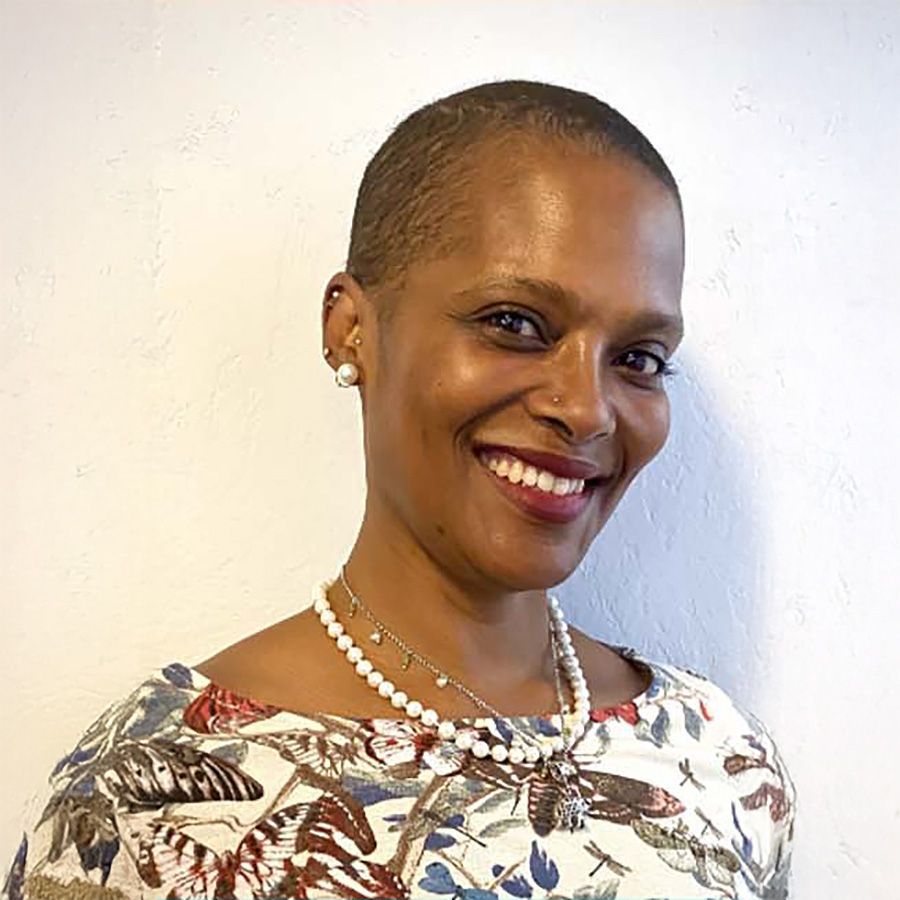
Nikki A. Beasley, Executive Director,
Richmond Neighborhood Housing Services, Inc.

A Vision Rooted in
Leadership and Legacy

The Emerging Developers Program was established by Nikki A. Beasley, Executive Director of Richmond Neighborhood Housing Services, Inc. (RNHS). After a 25-year career in banking and financial services, Beasley stepped into the housing sector with a deep commitment to community empowerment.


Under her leadership, RNHS has:

  • Doubled its property management rental portfolio for low- to moderate-income families


  • Launched the Changing the Narrative of Homeownership Initiative

  • Created the Lender Ready program, helping more than 300 first-time homebuyers secure ownership

  • Introduced the Money Matters financial empowerment series

  • Led affordable housing initiatives through the Restoring Neighborhoods program

  • Become a small-site infill developer—laying the groundwork for the Emerging Developers Program, established in 2021

RNHS has become a respected voice in Bay Area housing advocacy, working on issues ranging from zoning reform to fair housing, equitable development, and homeownership for “Missing Middle” families earning 80–120% AMI.

Beasley’s regional influence extends through her service on numerous boards and committees, including the California Housing Partnership, Community Vision, ULI San Francisco, All Home, and multiple banking and housing advisory councils.

Her leadership is rooted in one mission: to expand pathways to homeownership and development for communities historically denied access.


Expert Instructors With Real-World Experience

Participants in the Emerging Developers Program learn directly from seasoned professionals who have built long-standing careers in real estate, construction, financing, and development. Instructors include:

  • Jerrod Delaine – CEO of The Delaine Companies, bringing deep expertise in design, construction, finance, affordable housing, and asset management.

  • L.J. Jennings – A leader with extensive experience in business, community engagement, housing development, and ecumenical affairs.

  • Justin Dawson – A real estate and construction professional with more than 26 years of experience as both a licensed agent and general contractor.

  • Philip Patrick – A real estate investor and developer since 1988 with a portfolio ranging from affordable housing to top-rated Airbnbs.

  • Johnathan Coates – A construction management expert with over 25 years of experience guiding teams through full project development cycles.

These instructors do more than teach—they share lived expertise, lessons learned, and practical strategies that prepare participants for real-world success.

Building the Future, One Developer at a Time


The Emerging Developers Program exists to ensure that BIPOC developers have access to the education, mentorship, opportunities, and network necessary to build wealth—and strengthen communities through real estate.

Whether participants are just beginning their journey or seeking to expand their footprint, EDP provides the foundation needed to move forward with clarity and confidence.

For questions or support getting started, contact: Jacquese McCoy, Emerging Developer Program Administrator at 510-237-6459 ext. 1613 or via email at Jacquese@eastbaynhs.org.
Never Miss a Story.
SUBSCRIBE

Contact Us

By Kim Anthony December 31, 2025
When Venus and Serena Williams stepped onto a tennis court decades ago, they didn’t simply play the game—they changed it forever. With every serve, every championship, and every barrier broken, they reminded the world that greatness refuses limitation and does not wait for permission. Now, they’ve made history once again—this time not in Wimbledon whites, but in ownership seats and billion-dollar boardrooms. Venus and Serena are the first Black women to own a stake in an NFL franchise, becoming investors in the Miami Dolphins—currently valued at more than $4.6 billion. This moment isn’t just a headline. It’s a statement. About possibility. About access. And about the evolving definition of leadership. From Courtside to Boardroom NFL ownership has historically been inaccessible to women—especially Black women. For two sisters who grew up in Compton, shaped by discipline, resilience, and unwavering belief, to sit at that table is monumental. This move signals more than participation—it signals transformation. They’re not just influencing sports on the field; they’re positioning themselves in the rooms where media, revenue, strategy, and power are negotiated. This is what it looks like when leadership moves from being the face of a sport to being architects of its future. Impact doesn’t retire. It reinvents itself. The Legacy They Continue to Build Venus and Serena have always been more than athletes. Their lives reflect a portfolio of brilliance—fashion, venture capital, wellness, philanthropy, and storytelling. Their investment in the Dolphins fits a pattern: they don’t simply enter industries; they elevate them. They didn’t just show the world what excellence looks like. They are showing the world what ownership looks like. And in their footsteps, a new generation is learning that greatness isn’t confined to a profession—it’s expressed through every arena you dare to enter. Lessons From the Williams Way Their journey offers timeless principles for emerging leaders, innovators, creators, and community-builders: Play with power and plan with purpose. Whether on the court or in corporate negotiations, every step reflects intention. Diversify your legacy. Mastery in one space is the beginning—not the destination. Representation is a form of leadership. When we see it, we believe it is possible. Ownership is influence. And influence shapes culture, economics, and opportunity. Not Just First—Foundational Venus and Serena aren’t simply breaking records; they’re building a new frontier—one where Black women take their rightful place as investors, leaders, and owners in one of America’s most powerful institutions: the National Football League. The Williams sister have always played to win. Now, they are playing to lead. And if history has taught us anything, it’s this: when the Williams sisters step forward, they don’t just open doors—they leave them open for everyone coming behind them.
By Kim Anthony December 31, 2025
For California entrepreneurs seeking an edge in the state procurement marketplace, certification through the California Department of General Services (DGS) remains one of the most effective ways to increase visibility, access contracting opportunities, and compete more fairly for government contracts. DGS’s Office of Small Business and Disabled Veteran Business Enterprise Services (OSDS) oversees certification for both Small Business (SB) and Disabled Veteran Business Enterprise (DVBE) designations — and understanding how to apply or re-apply is essential for business growth. What the SB and DVBE Certifications Do The SB and DVBE certification programs are designed to promote and increase participation by small businesses — including veteran-owned firms — in state contracting. Certification can help businesses: Appear in the official California certified vendor directory used by state agencies and prime contractors Be considered for direct contracting opportunities through the SB/DVBE Option Participate in solicitations with bid preferences or incentive programs Expand access to state procurement markets worth billions annually Certification also supports broader policy goals: California law calls for specific participation targets — such as a 3% DVBE participation requirement on many state contracts — and agencies seek to maximize involvement from certified firms. Who Qualifies for SB and DVBE Certification Small Business (SB): To qualify as a certified small business in California, a firm must be independently owned and operated, meet state revenue size standards, and have its principal office in California. For most SB applications, average gross annual revenues over the previous three years must fall below the threshold defined for the business’s industry category. Disabled Veteran Business Enterprise (DVBE): DVBE certification is specifically for businesses owned by disabled veterans. To qualify, the business must meet several requirements: At least 51% owned by one or more disabled veterans Disabled veteran(s) must be actively managing and controlling the day-to-day operations and decision-making The veteran(s) must have a service-connected disability as verified by the U.S. Department of Veterans Affairs (typically at least 10% disability) The firm’s home office must be located in the U.S. and properly registered to do business in California For certain business structures such as LLCs, the entity may need to be wholly owned by qualifying disabled veterans These requirements, set out in DGS’s certification criteria, ensure that only legitimate disabled veteran-owned businesses receive DVBE certification and access to corresponding opportunities. How to Apply or Re-Apply 1. Register on Cal eProcure All certification applications are submitted through Cal eProcure — California’s online procurement portal. Businesses must first create or update their profile on the system before beginning the certification process. 2. Complete the Certification Application Once registered, log in to Cal eProcure and navigate to the Small Business/DVBE services section. Select the appropriate certification type — SB, DVBE, or both — and complete the questionnaire. Applicants need to provide documentation supporting ownership, structure, financials, veteran disability status, and control of the business. 3. Upload Required Documentation Required attachments typically include tax returns, ownership agreements, veteran disability verification (e.g., VA award letter), government-issued IDs, and other supporting evidence. Ensuring files are complete and clearly labeled reduces processing delays. 4. Submit and Monitor Status After submission, the Office of Small Business and DVBE Services reviews the application. Processing times vary but generally range from a few weeks to a couple of months depending on workload and completeness of the submission. 5. Renew on Time Certification is typically valid for two years and must be renewed before expiration. Re-application requirements mirror the initial application process, and businesses should begin renewal well before their current certifications lapse. Why Certification Still Matters For many California vendors, SB and DVBE certifications unlock opportunities that would be difficult to access otherwise. Certified firms are more likely to be considered for: State agency contracts and solicitations that prioritize or require certified vendors SB/DVBE Option contracts, where state agencies can award directly to certified firms Prime contractor subcontracting goals, particularly for DVBEs Educational and outreach events that connect vendors with buyers and procurement professionals Certification also supports compliance with state procurement goals — such as the minimum DVBE participation rate of 3% in many solicitations — meaning agencies and primes actively seek certified DVBEs as part of responsible bidding. Getting Support and More Information The DGS Office of Small Business and DVBE Services offers outreach, training, and assistance to help applicants successfully navigate the certification process. You can contact the office at (916) 375-4940 or via email at OSDSHelp@dgs.ca.gov for help with applications, renewals, or understanding program requirements. Whether you are applying for the first time or renewing your SB/DVBE certification, completing the process through Cal eProcure positions your business to compete more effectively in California’s public procurement landscape. Certification opens doors — and in an increasingly competitive market, having that verified status can make a decisive difference.
By Kim Anthony December 31, 2025
There’s a certain kind of electricity that happens when Black women come together — the kind that lifts conversations, opens doors, and quietly shifts what’s possible. That energy is exactly what’s gathering in Los Angeles. As the new year begins, Kellie Todd Griffin — CEO of the California Black Women’s Collective Empowerment Institute — looked across the landscape and saw something beautiful rising: Black women founders, executives, innovators, dreamers, and doers… each building in her own lane, often quietly, often carrying more than the world will ever see. She picked up the phone. Soon, Sarah Harris of the Black Business Association said yes. Angela Gibson-Shaw of the Greater Los Angeles African American Chamber of Commerce said yes. Partners at Los Angeles Economic Development Corporation, Los Angeles South Chamber of Commerce, and others said yes, too. Not because it was another event. But because it was time. Time to gather the women who build. Time to create something rooted in sisterhood, not performance. Connection, not competition. Presence — not pressure. And so, SheBuildsLA was born.
Show More